Synchronicity in life is strange in and of itself, but when you throw Mothman into the mix, you end up with high strangeness that turns your street into a liminal space. Suddenly you become Agent Cooper from Twin Peaks trying to make sense of a world that makes less and less sense the further you look behind the red curtains. Your mind becomes fixated on the synchronicities: what do they mean if they even mean anything at all? And at the end of all your pondering, all you’re really ever left with is a hunch as to what the universe is trying to tell you. For there is no one to tell you conclusively what any of it means or if it means anything at all. Ultimately, you’re left with the unknown, which is exactly where you started.
Who knew that the fuzzy white moth my daughter found and asked me to do an article on would lead to such odd coincidences? Moths, being nocturnal creatures, are often used as symbols for the mysterious and unknown; it is all too fitting then that the synchronicities I experienced happened with none other than this (seemingly) innocent and mysterious moth.
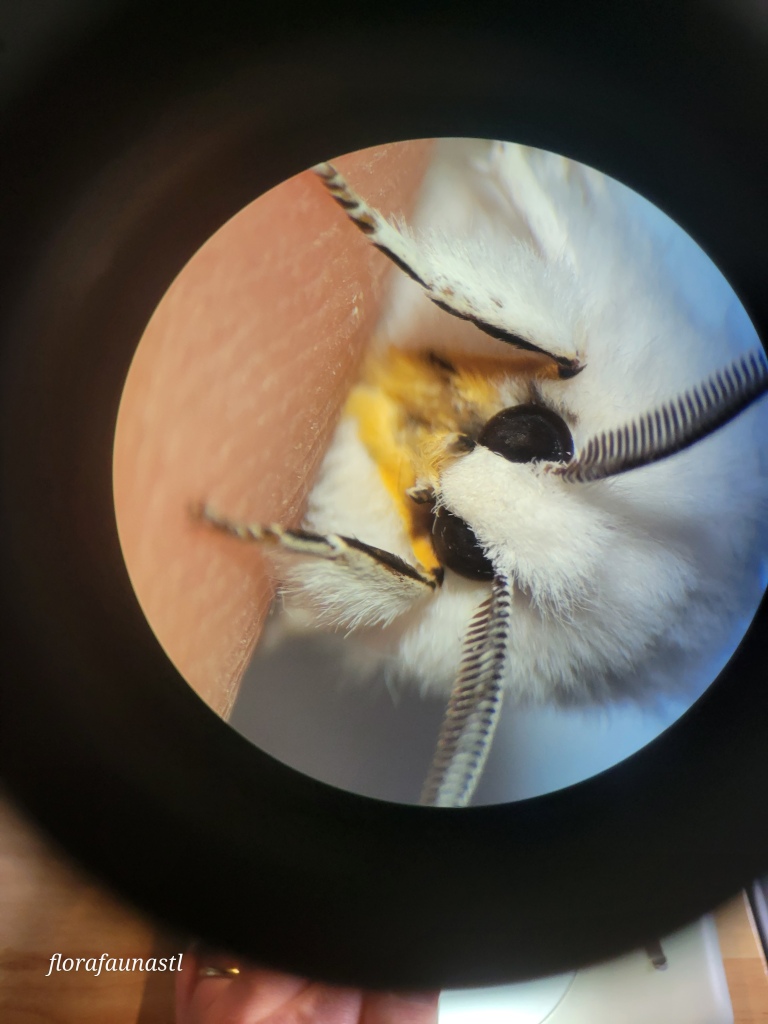
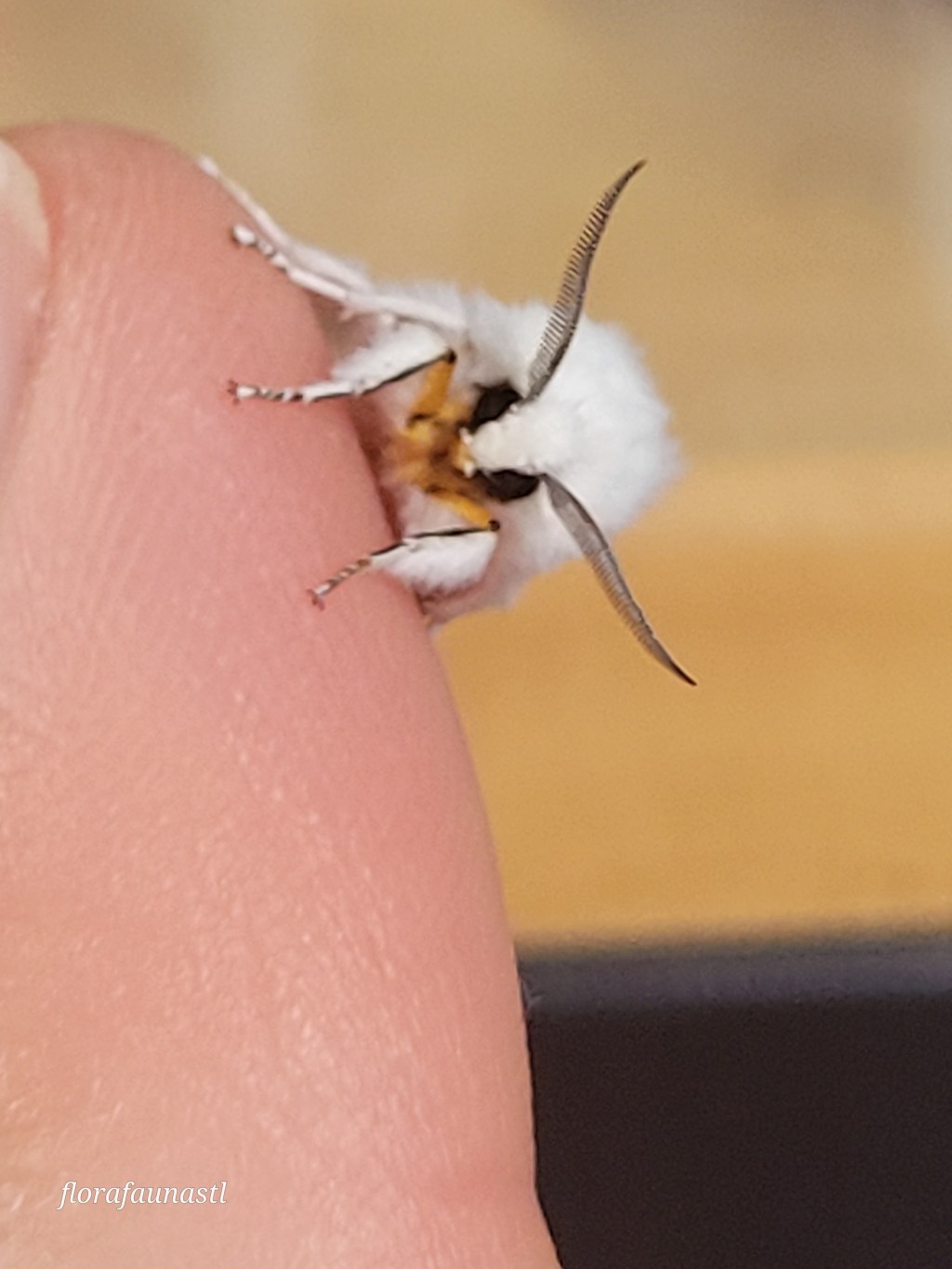
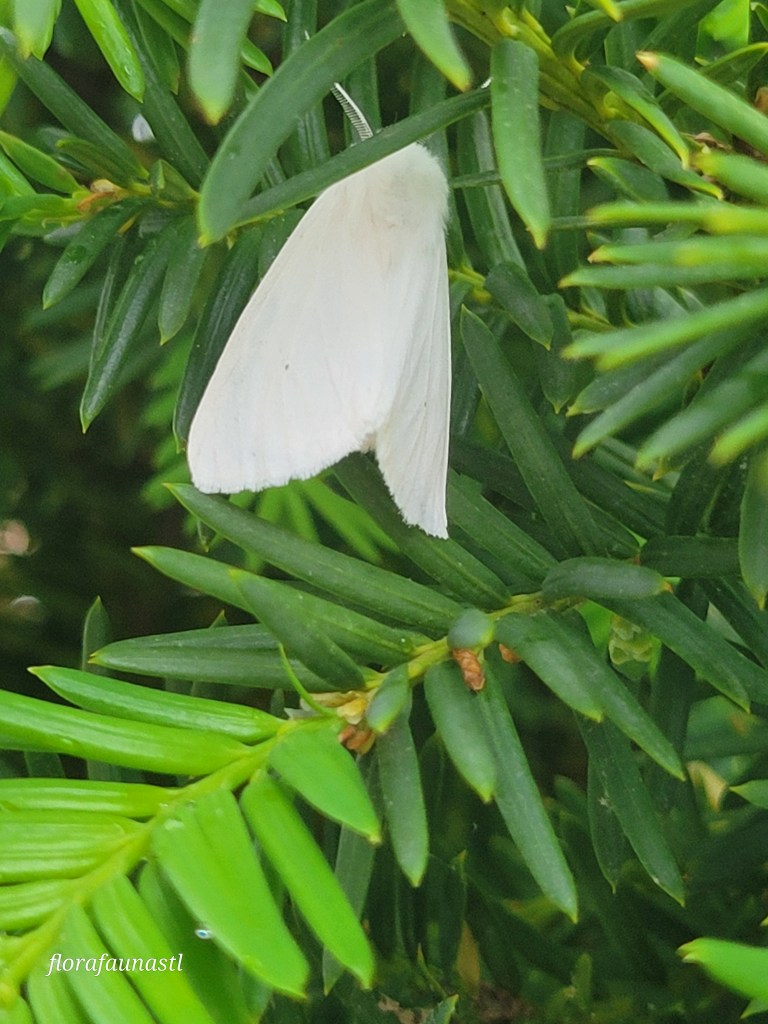
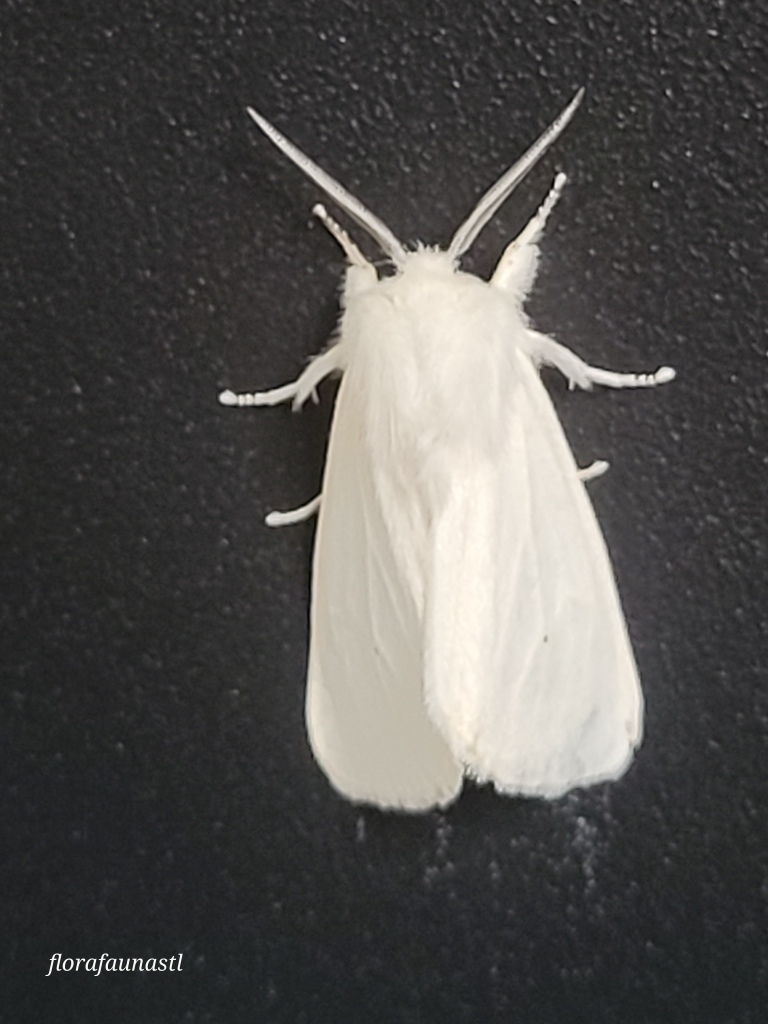
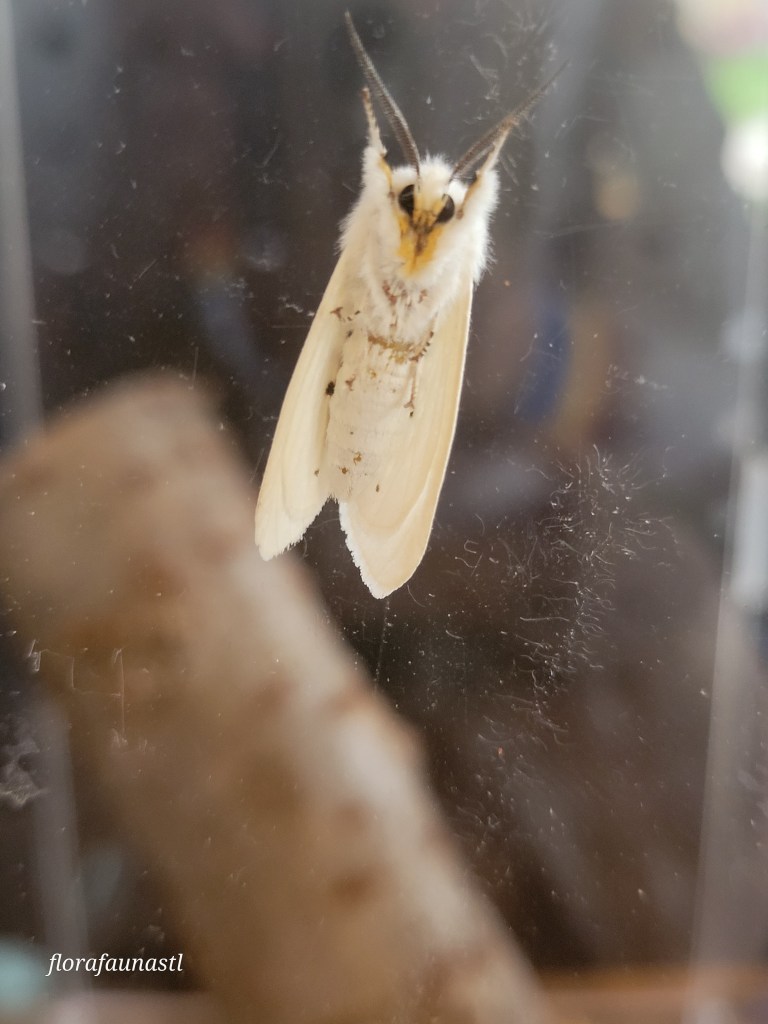
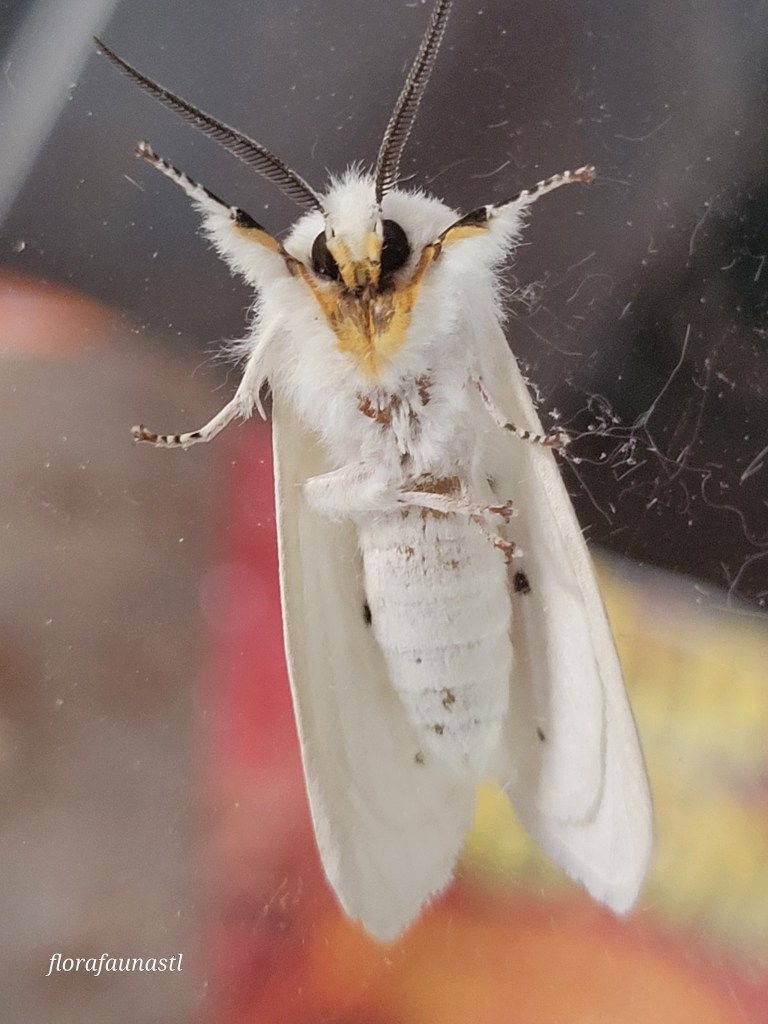
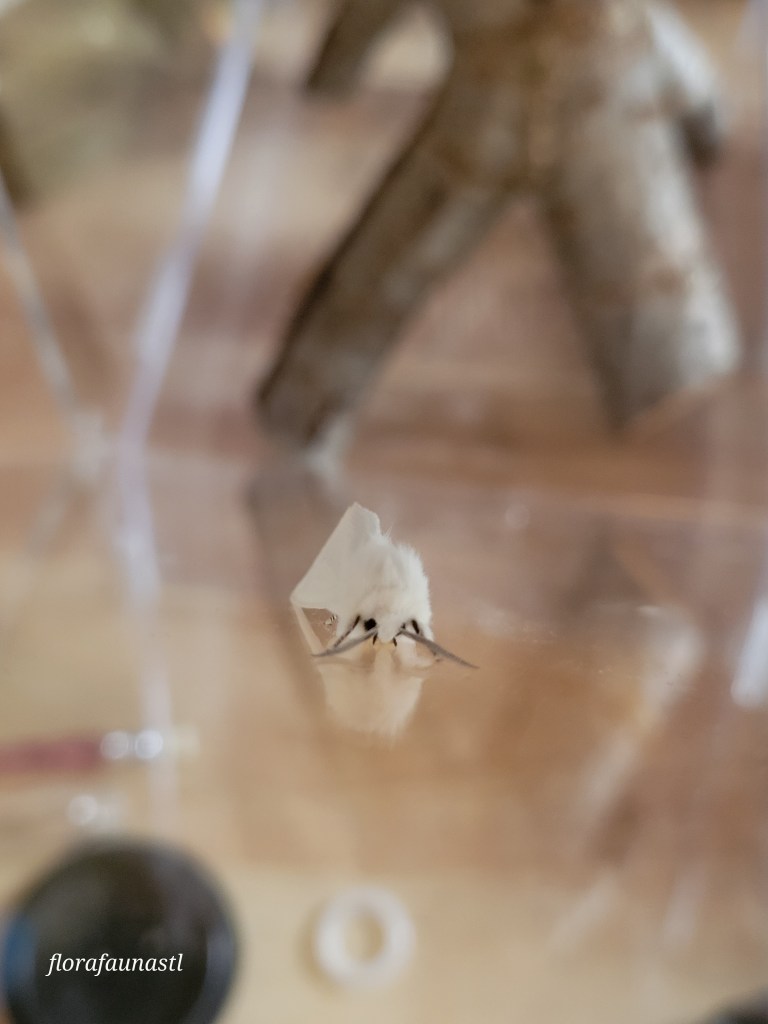
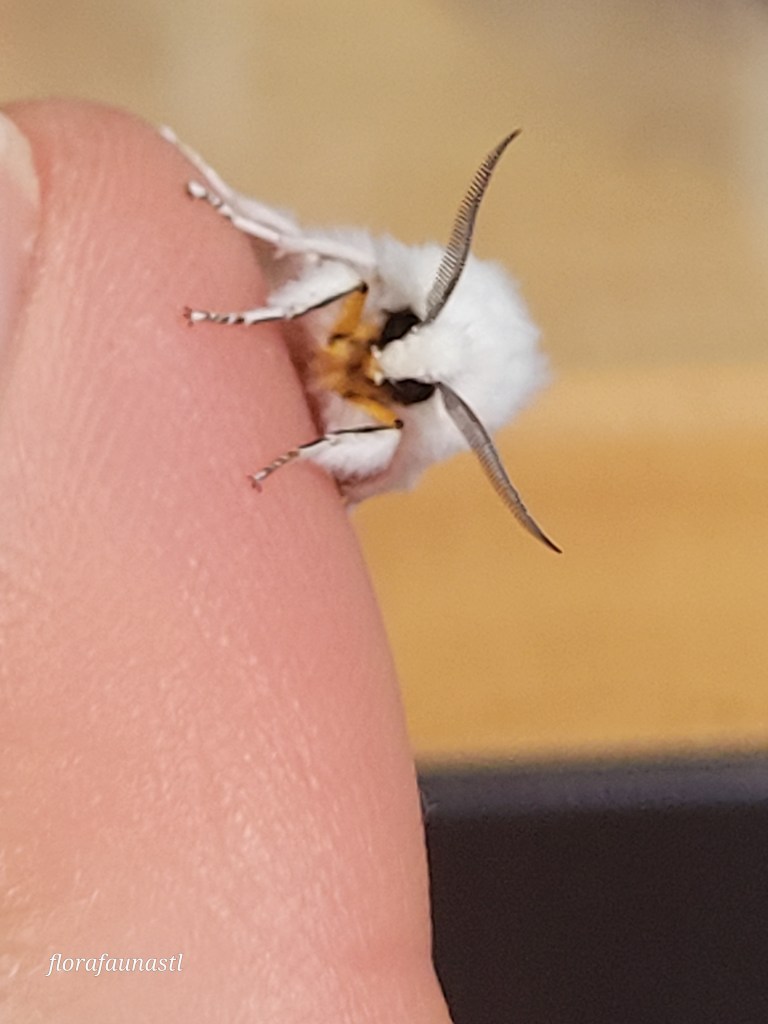
Back in May of 2025, my daughter found this fuzzy little white moth with an orange-tinted mouth and a few black spots on its wings. I was busy with yard work at the time, so I took a few pictures and some videos of the moth before letting it go back to the wilds from which it came. This moth, which had yet to be identified and researched by me, joined the menagerie of plants and animals I have pictures of but have yet to research. By the time I got around to researching and identifying this moth, it would be late June. I narrowed it down to being the Agreeable Tiger Moth (Spilosoma congrua), which is one of the three species of Tiger Moths that we have here in North America.
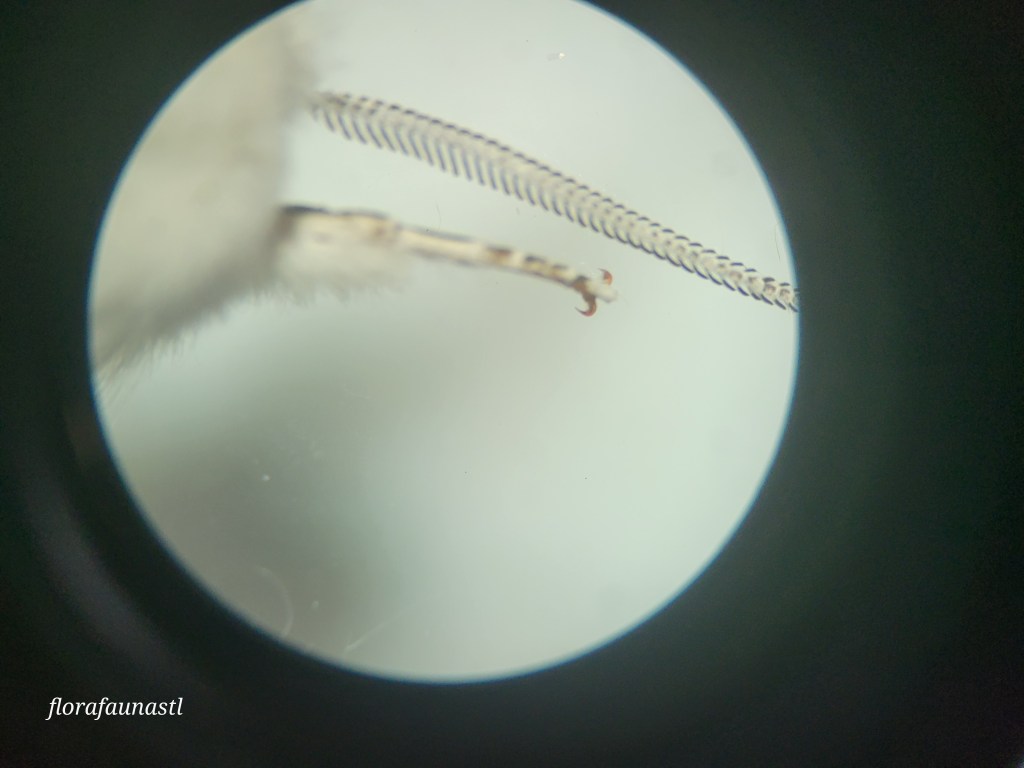
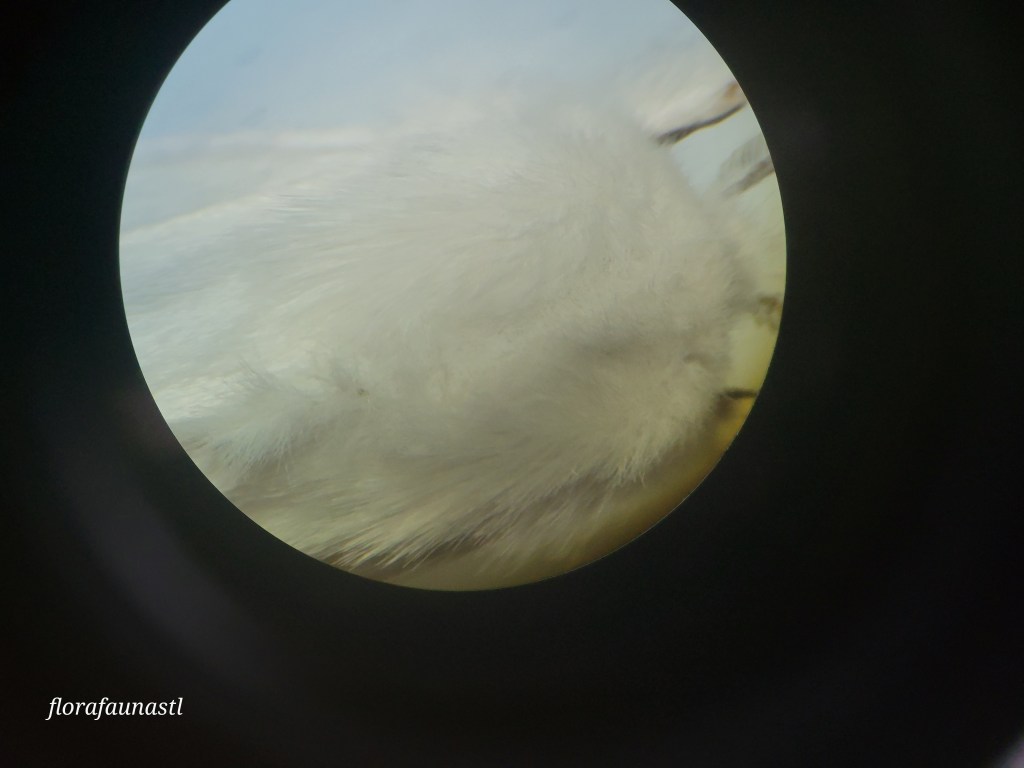
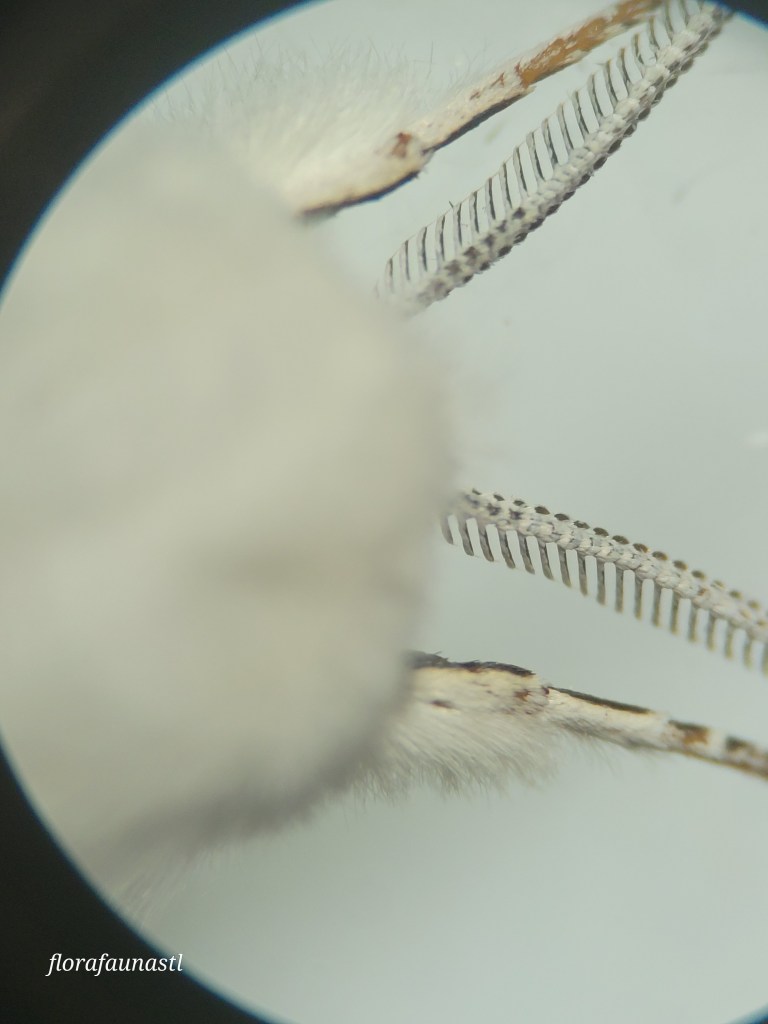
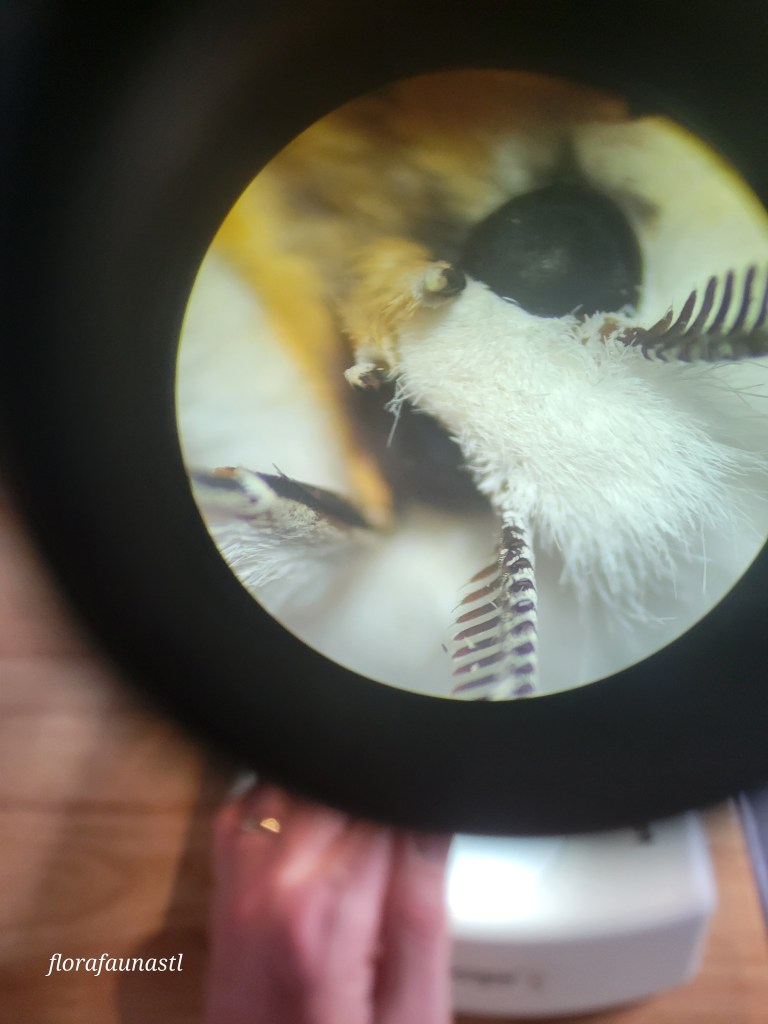
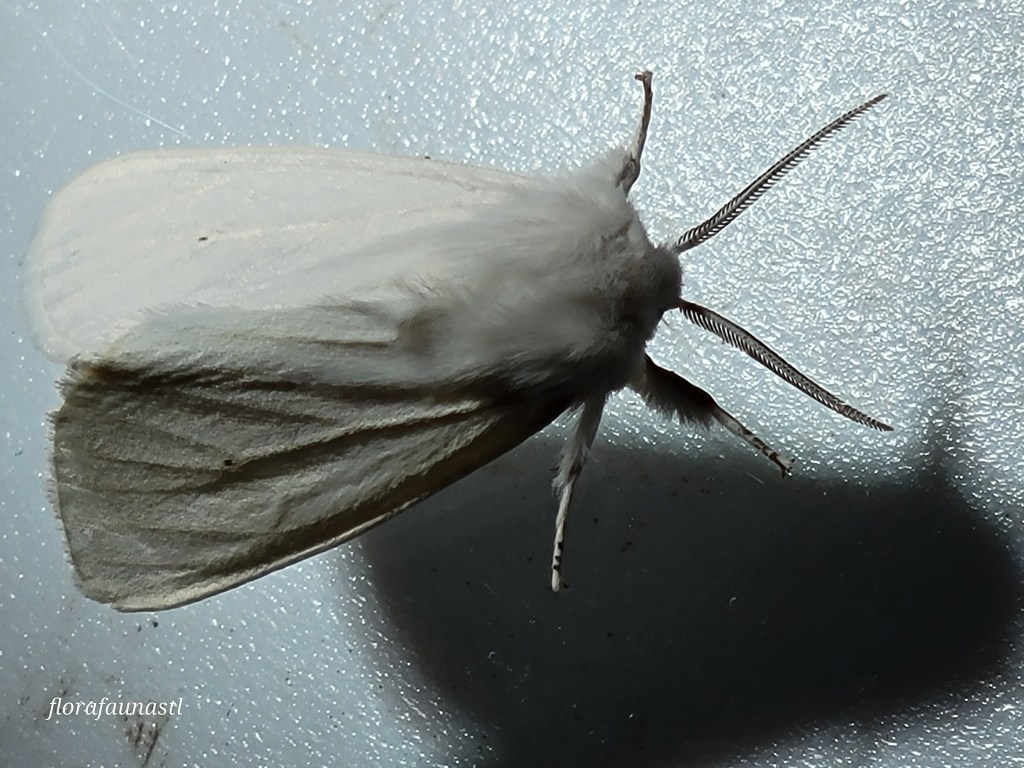
Agreeable Tiger Moths are typically about 3/4ths of an inch in body length, with average wingspans being slightly less than 2 inches. They are white-bodied with small black dots that vary in frequency on their wings, and they have yellowish-orange coloration around their mouths, which is specific to this species of Tiger Moths. Their abdomens are solid white, whereas their cousin, the Virginia Tiger Moth, will have black and yellow spots on the sides of their abdomen. Agreeable Tiger Moth adults lack a proboscis, which means they do not eat and will only live for around a week; their sole mission as adults is to mate and find a suitable place to lay their eggs.
Female Agreeable Tiger Moths will search for areas rich in vegetation to lay their eggs, usually with high concentrations of dandelion, pigweed, and herbaceous plants. With the right environmental conditions, the eggs usually hatch in a little under two weeks, but this can vary with weather conditions. The caterpillars (larvae) of the Agreeable Tiger Moths are fuzzy and black with orange or yellow stripes. They are not poisonous per se, but the hairs can detach and cause skin irritation in some people. While the adults are on a strict diet of love, the caterpillars make up for this by eating more than 2,500 times their body weight before pupating. After about three weeks of being in their cocoon, metamorphosis is completed, and the adults emerge in search of a mate.
Adults can be found from early spring to late summer, and the species will survive winter as pupae, meaning in their cocoons. The populations that over-winter are located in areas protected from the elements, such as in leaf litter, under bark, or in other nooks and crannies. Tiger Moths are preyed upon by spiders, mantids, parasitic wasps, birds, lizards, and even larger mammals in search of easy protein.
Now that we have the facts about this week’s animal out of the way, let’s talk about the strange synchronicities that occurred while researching this moth. One of my favorite podcasts is called In Research Of, and they review and break down episodes of an old show from the 70s and 80s called In Search Of that was hosted by Leonard Nimoy. Well, I hadn’t listened to the show in a while and decided to catch up while doing my workout; this was a few days after I began research on the Agreeable Tiger Moth. The hosts decided to do something a little different for the most recent episodes and did a fantastic deep analysis on The Mothman Prophecies. For those not in the know, this is a film based on John Keel‘s book about the Mothman and the strange events that occurred in Point Pleasant, West Virginia between 1966 and 1967.
Mothman (whether you believe in it or not) represents this strange connectedness of events that otherwise have nothing to do with each other, and often culminate in catastrophe. Now obviously, me researching a moth at the same time a podcast I happen to listen to is covering The Mothman Prophecies is not a cause for concern, just strange coincidence. But then I decided to see if the Mothman had ever been spotted in St. Louis, and to my surprise, there is a reddit post about Mothman being sighted in Forest Park at the SAME TIME I am doing moth research and listening to a podcast about Mothman!
Now, I am not saying we need to avoid bridges or prepare for some kind of impending doom because of all these synchronicities, but I do find it interesting that this is all happening at the same time. I even went down the rabbit hole of synchronicities and discovered Carl Jung, who was a psychiatrist and psychotherapist who wrote about synchronicities and their interpretations. Sure, not everyone will agree that these coincidences are even the slightest bit strange. But I now know at least one moth who is willing to agree the events are indeed strange, and that is none other than the Agreeable Tiger Moth!!!
References:
https://mdc.mo.gov/discover-nature/field-guide/tiger-lichen-moths
https://auth1.dpr.ncparks.gov/moths/view.php?MONA_number=8134.00
https://en.wikipedia.org/wiki/Agreeable_tiger_moth
https://en.wikipedia.org/wiki/Carl_Jung
https://en.wikipedia.org/wiki/The_Mothman_Prophecies_(film)
https://inresearchof.libsyn.com/s04-bonus-the-mothman-prophecies-part-1


 Flora Fauna STL
Leave a reply to Anonymous Cancel reply