I was debating on which flower to do this post on for a few weeks, and my wife suggested doing an article on several spring flowers as opposed to just covering one. I have to admit that I take all of her ideas and suggestions with a grain of salt; after all, she did make the decision to marry me, which is questionable to say the least. But after thinking it over, I decided that this idea is actually a good one. So without further ado, let’s take a look at some of the flowers we can see here in the St. Louis region.
One of the things I love about spring is the burst of life from the dead of winter. The birds singing, the crickets chirping, and best of all, the symphony of colorful flowers that sprout from the ground. One of the most abundant flowers (in my yard at least) is Violets. These tiny purple flowers are all over the local parks and many of my neighbors’ yards as well. While going for walks, I saw many different color variations and at first made the assumption these must be different species of Violets, which might be accurate.
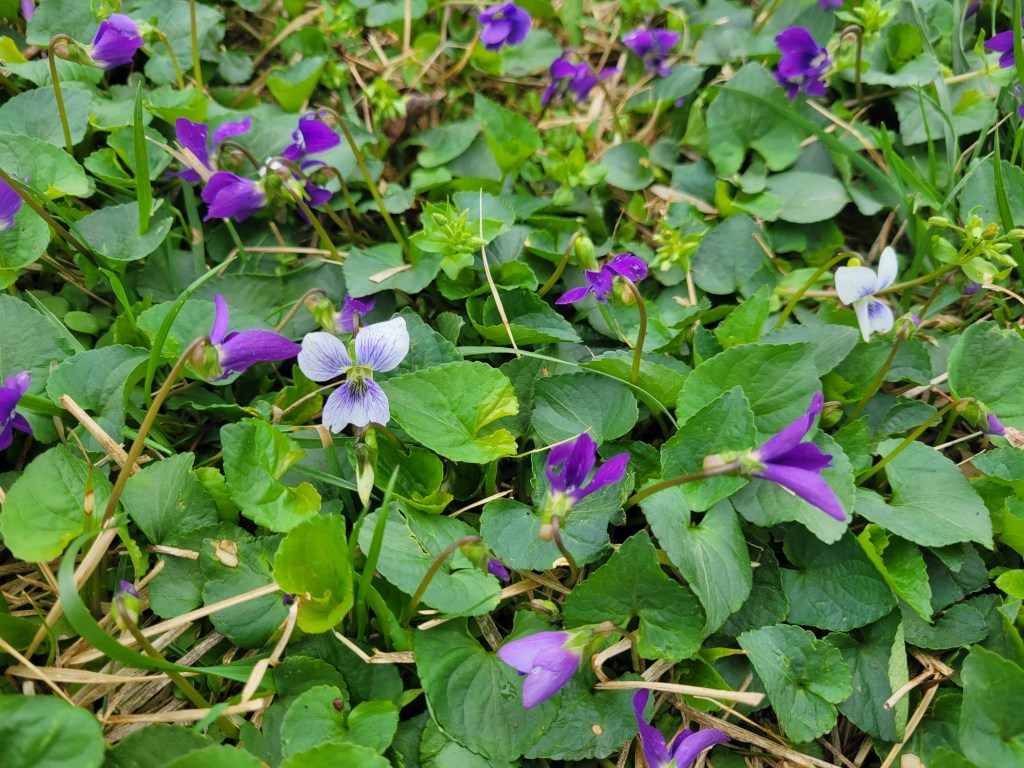
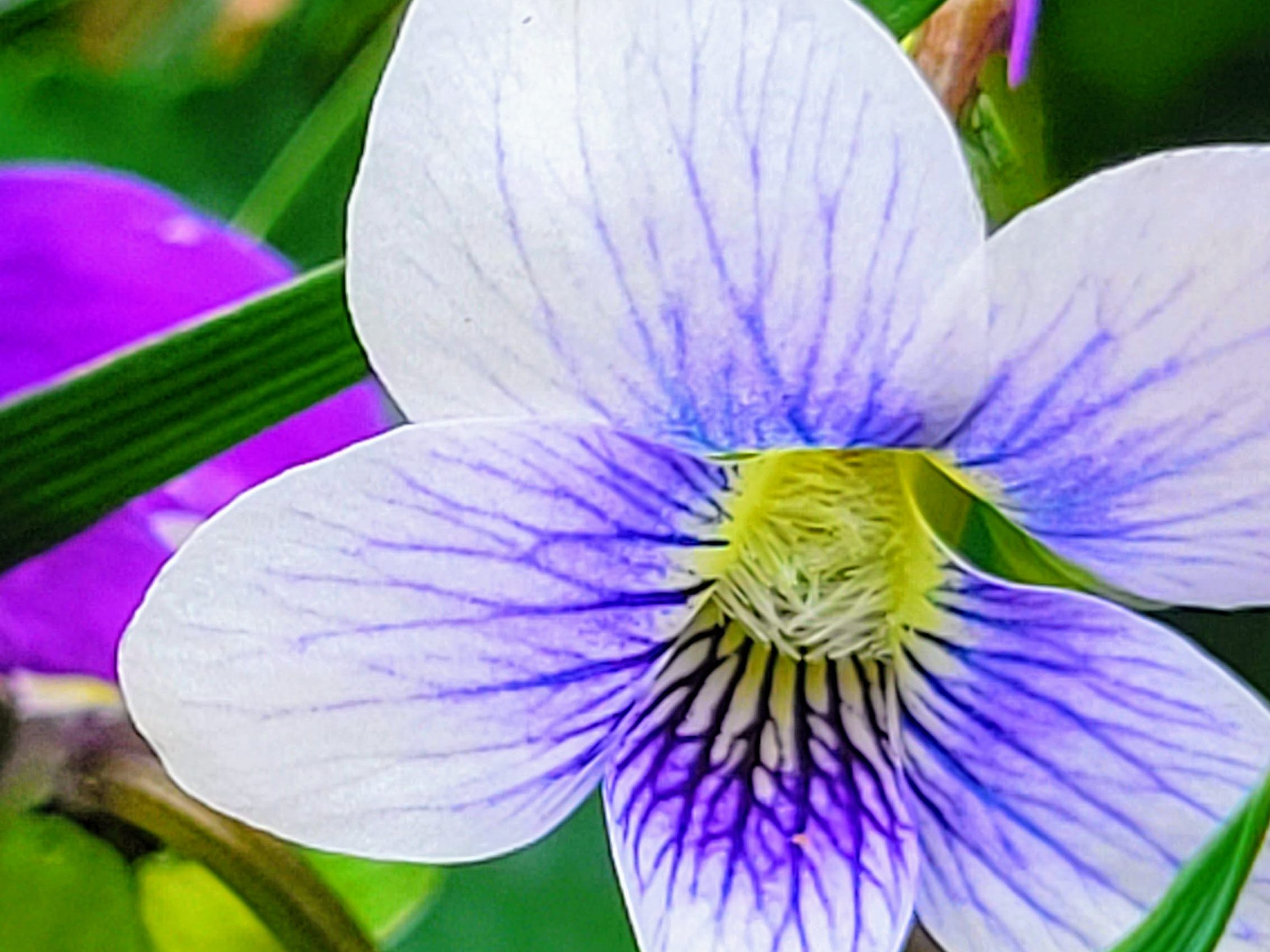
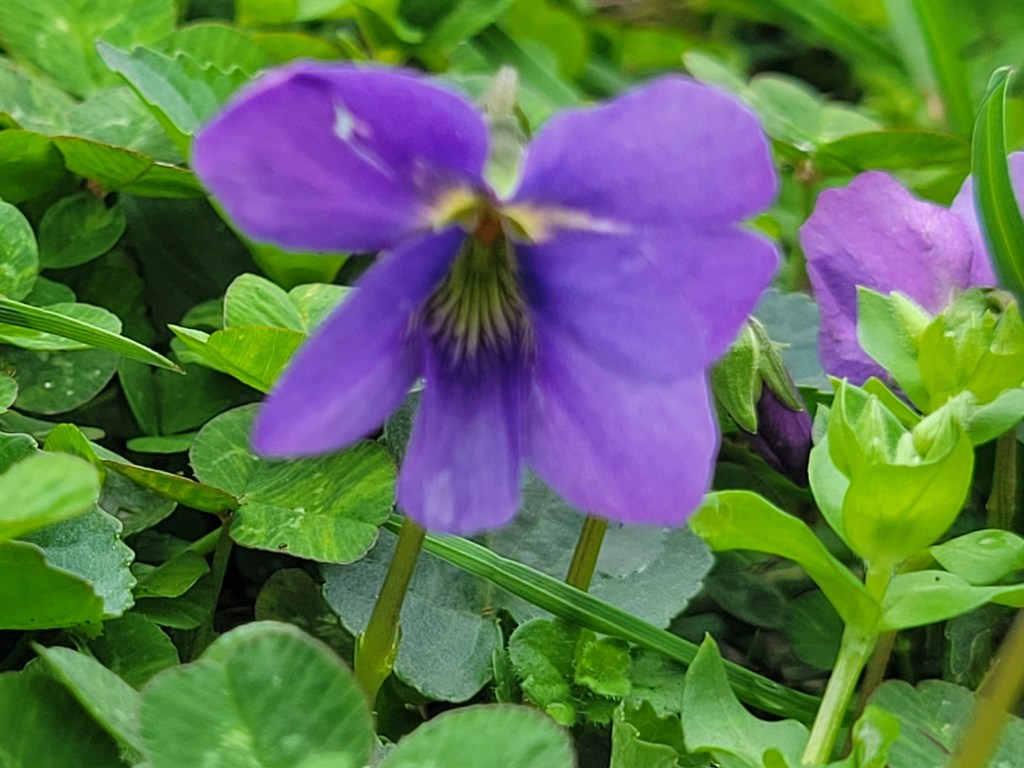
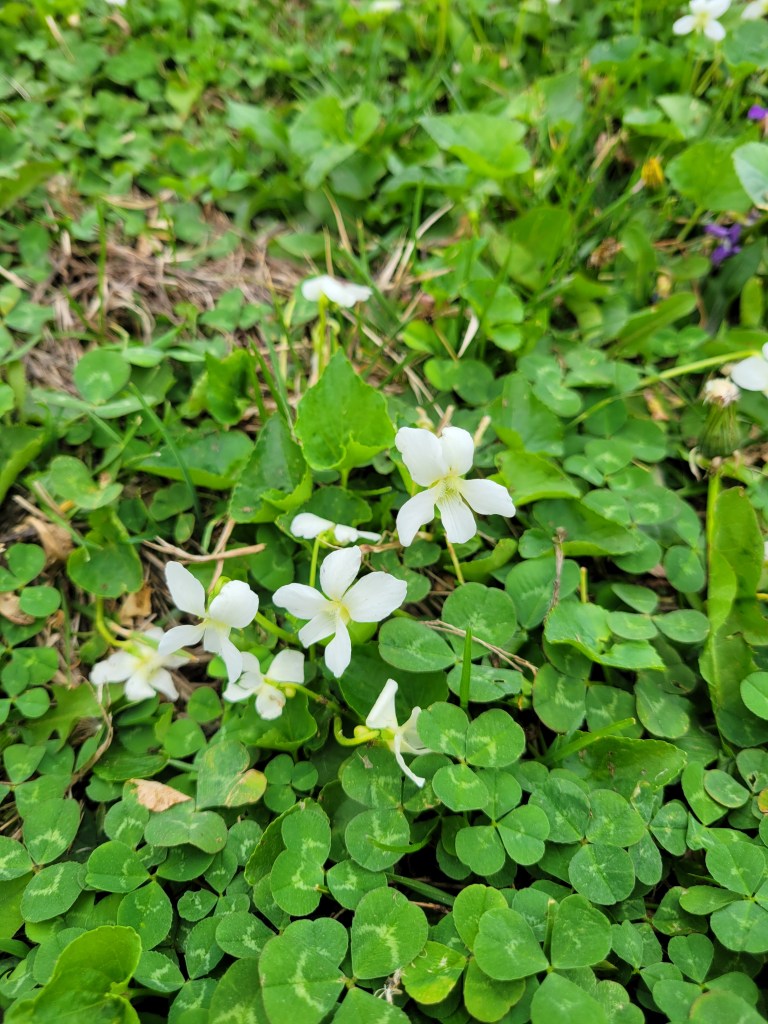
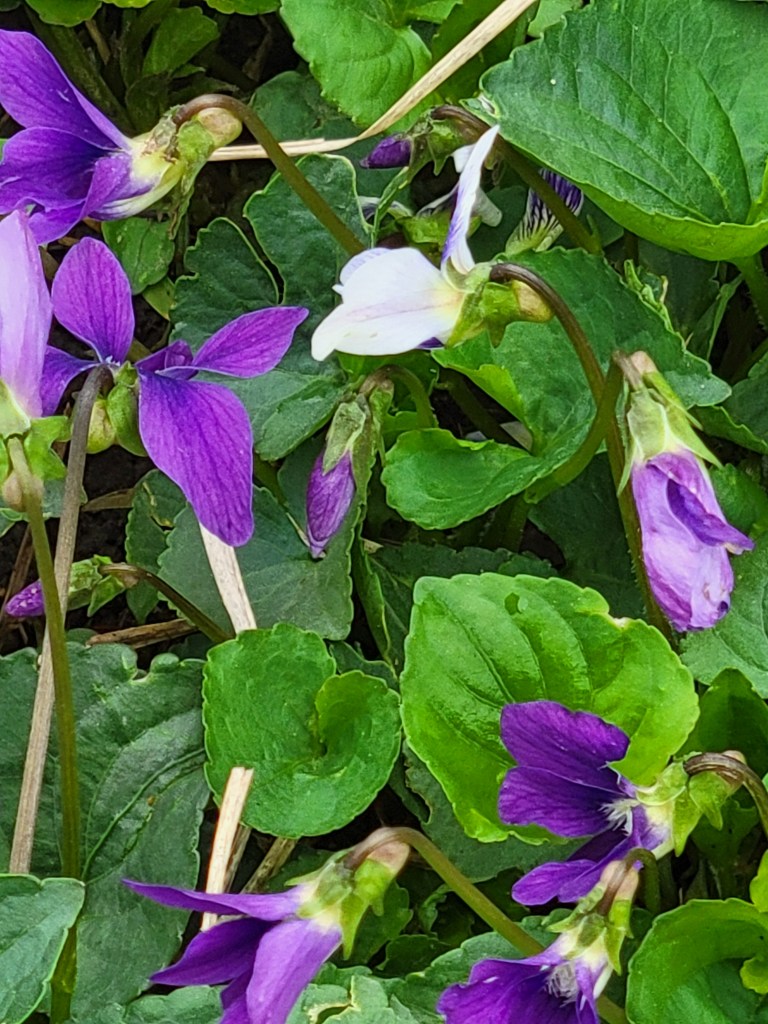
Classification of wild violets can be very difficult, to say the least. There are 17 native wild violet species in Missouri, and historically some were grouped together, then removed, and since hybridization occurs, even non-armchair botanists have a hard time with classification. More than likely, the bulk of these photos are Common Blue Violet (Viola sororia), which can be blue, purple, white, or combinations of these colors. I reached out to a buddy of mine who is actually a botanist, and he did say that he thinks these white and purple ones are actually Confederate Violets, which were a cultivated variety of common blue violet that made its way into the wild. He also mentioned that violet classification is a hot topic in the world of botany, although he wouldn’t disclose if fistfights had broken out regarding the topic.
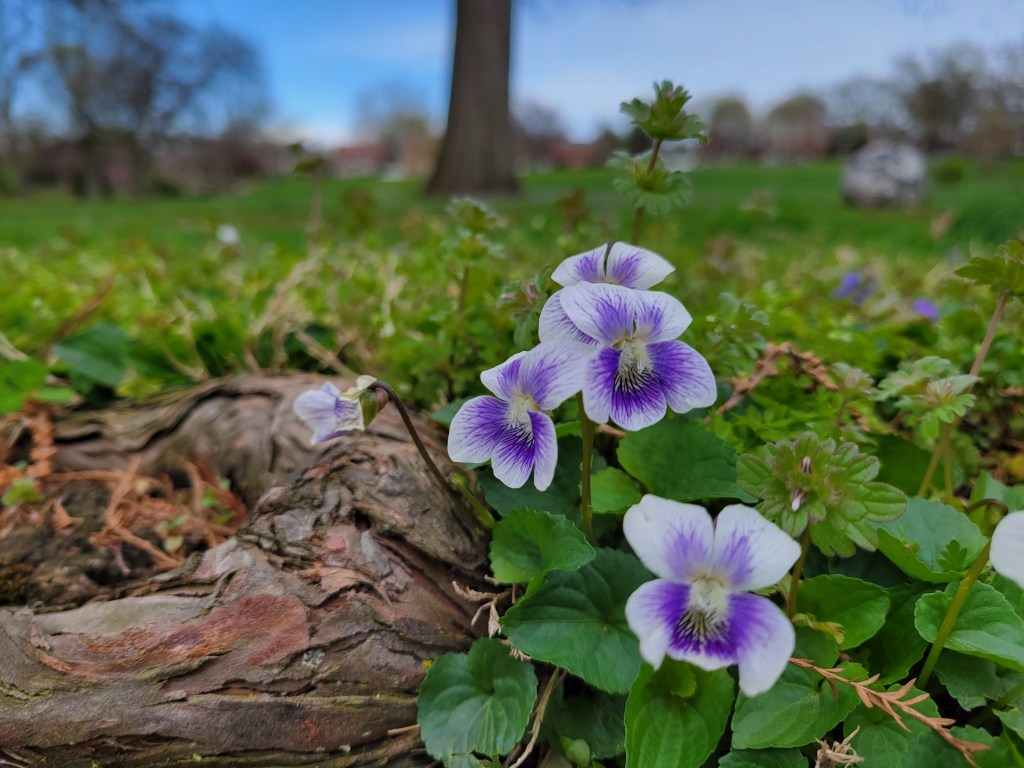
Violets have five heart or kidney-shaped flowers, which grow from their own separate stem, as do the leaves. These sprout from what is called the rootstock, which is located below the ground. The leaves are solid green and typically a rounded heart shape as well, with little to no teeth on the outer edges. Wild violets are found throughout Missouri and are prolific plants. They grow in a wide array of environments from woodlands, yards, marshes, stream sides, roadside ditches, etc. The leaves, as well as the flowers, are edible, and the flowers are often coated in sugar and used in cake decoration, as well as used to make jams. Violets will flower from spring throughout summer if conditions are right. These flowers and leaves provide nectar for insects, and deer and rabbits are fond of the leaves.
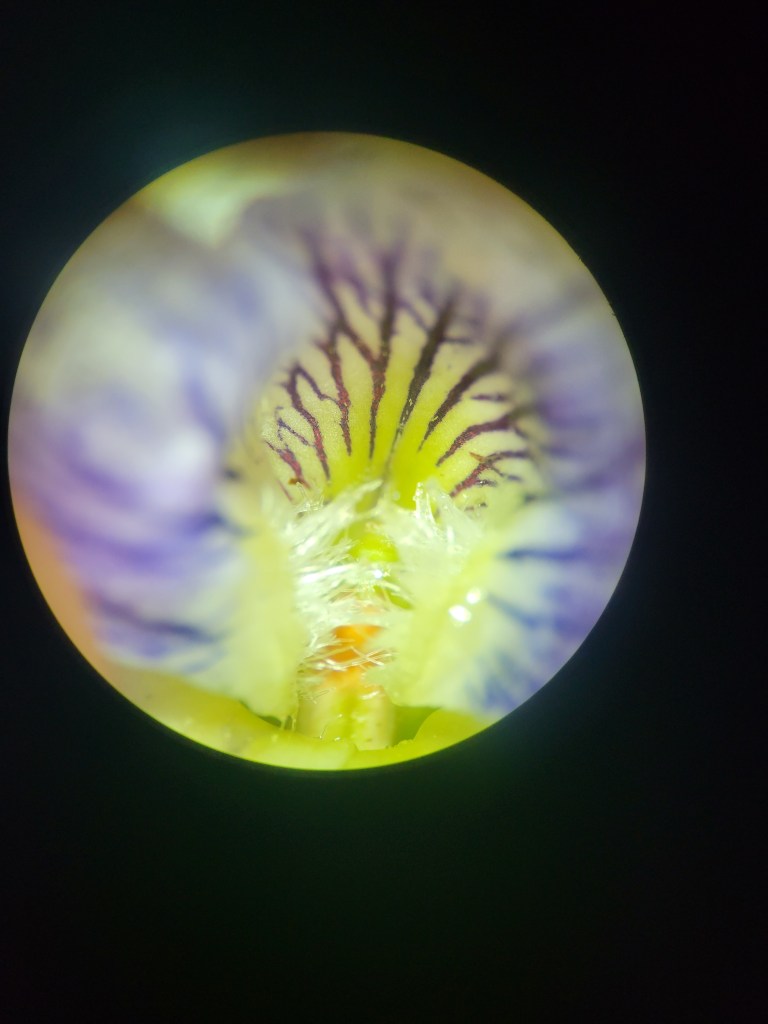


Dandelions (Taraxacum officinale) are a flower/plant that I would say most of us should be familiar with, but nonetheless, they are next on our list. You would think that with how prolific this particular plant is, it would be native to the region, but alas, you would be mistaken. Dandelions were introduced to North America by European settlers in the 1600s. Even the Mayflower brought over seeds of this plant as it was cultivated for its nutritious leaves, roots, and flowers.
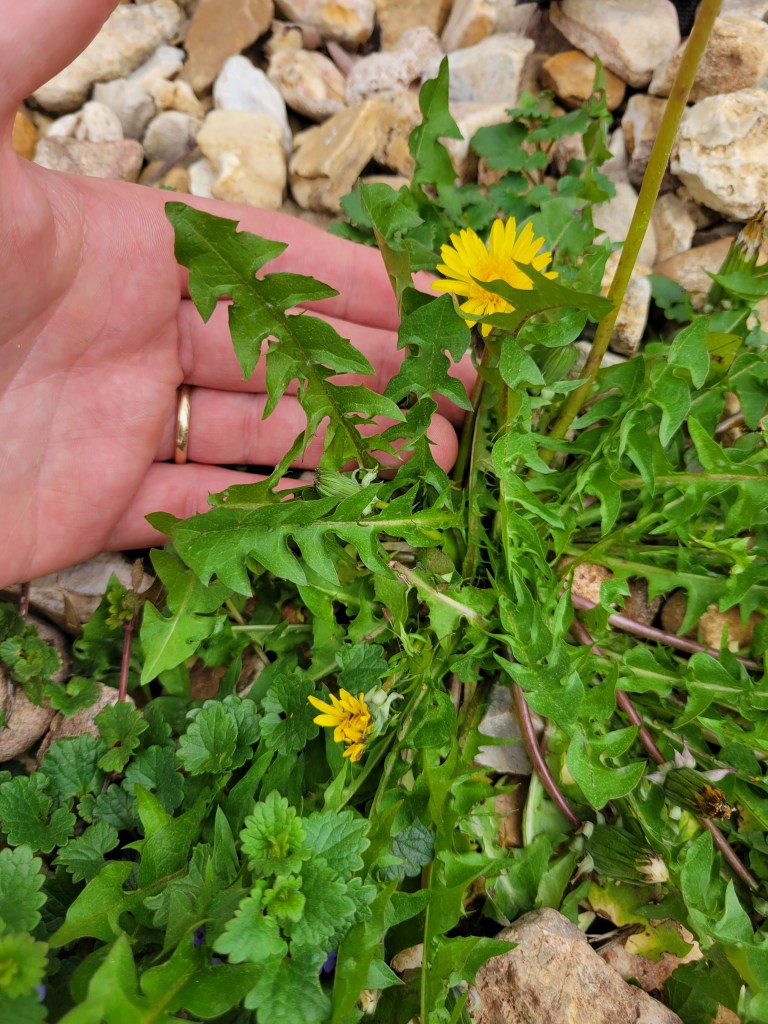
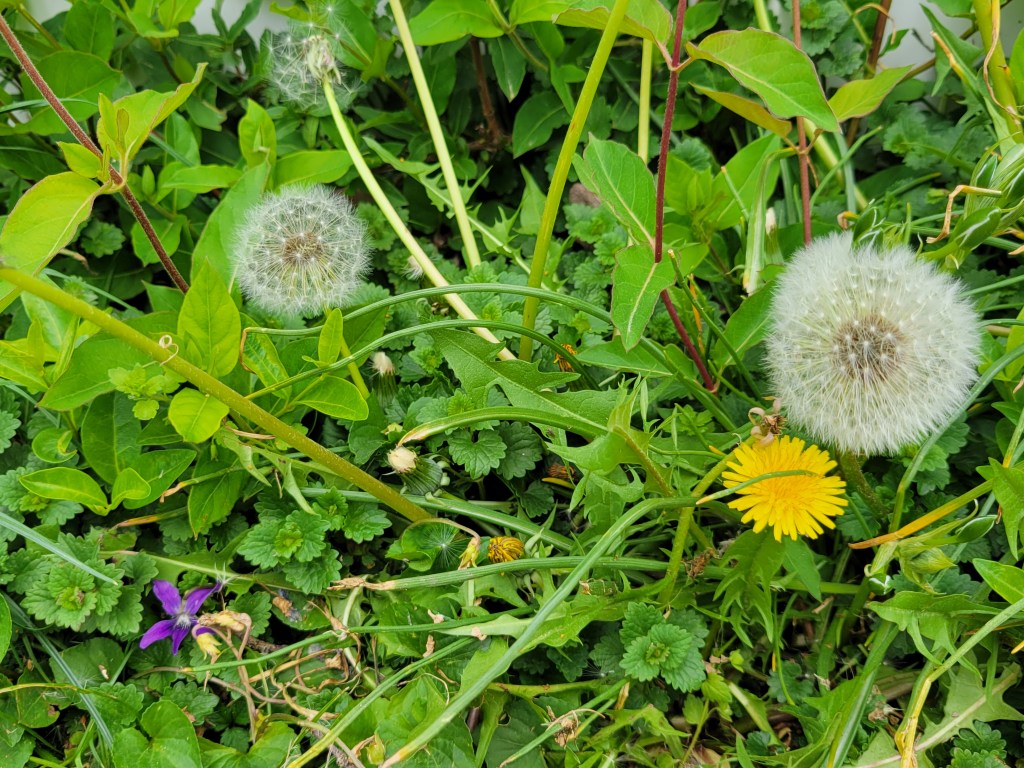
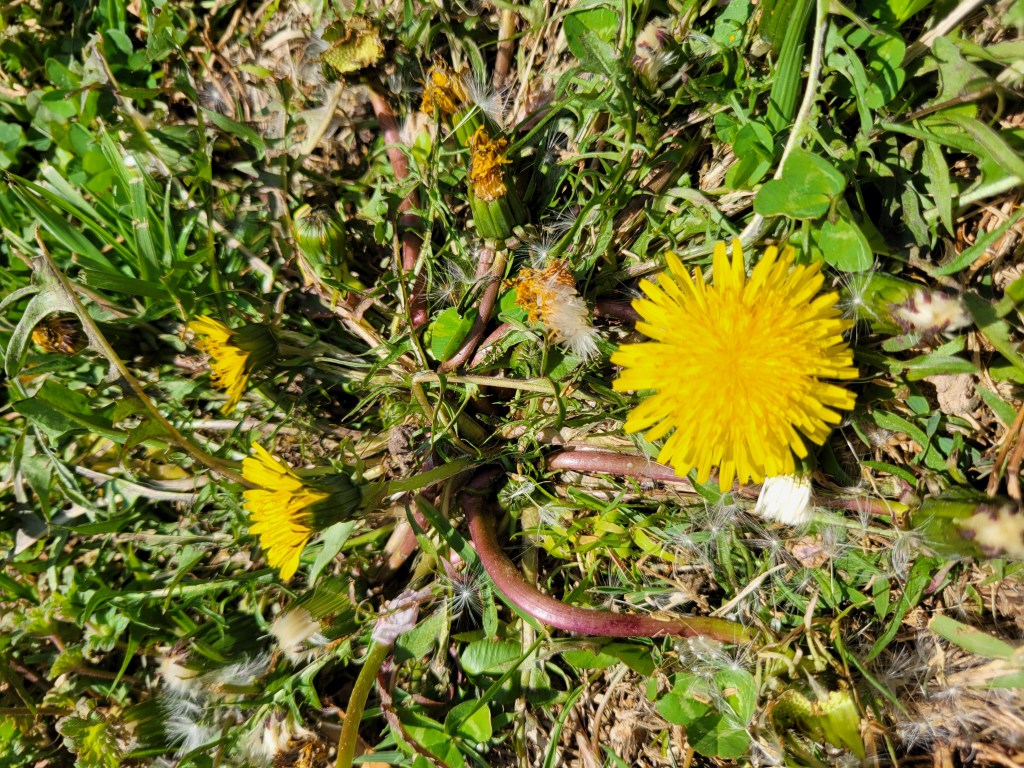
The dandelion is now found almost worldwide and is one of the most easily recognized of all “wild” plants. The entirety of this plant is edible and is used in many different ways. You may be familiar with the leaves, as they are often used in spring salads and sometimes even cooked greens. The flowers are eaten in a variety of ways as well, from being sugar-coated, added into baking flour, or even fried. The flowers are also used to make wine, as any Ray Bradbury reader may already be aware of. The roots are used by some people as a tea or even ground up and used as a substitute for coffee (I consider this sacrilegious). Despite technically being an invasive species since this plant thrives so well in almost any environment, it has intertwined itself into the wild and is prized by insects and mammals alike. Fun fact about this plant: they love sun and grow according to how much sun they are getting. If they are in our lawns, which are presumably mowed, they have no competition for light, and flowers will blossom close to the ground. If they are in grasslands or surrounded by taller vegetation, their flower stalks will grow much taller to get enough sunlight, up to about 20 inches.
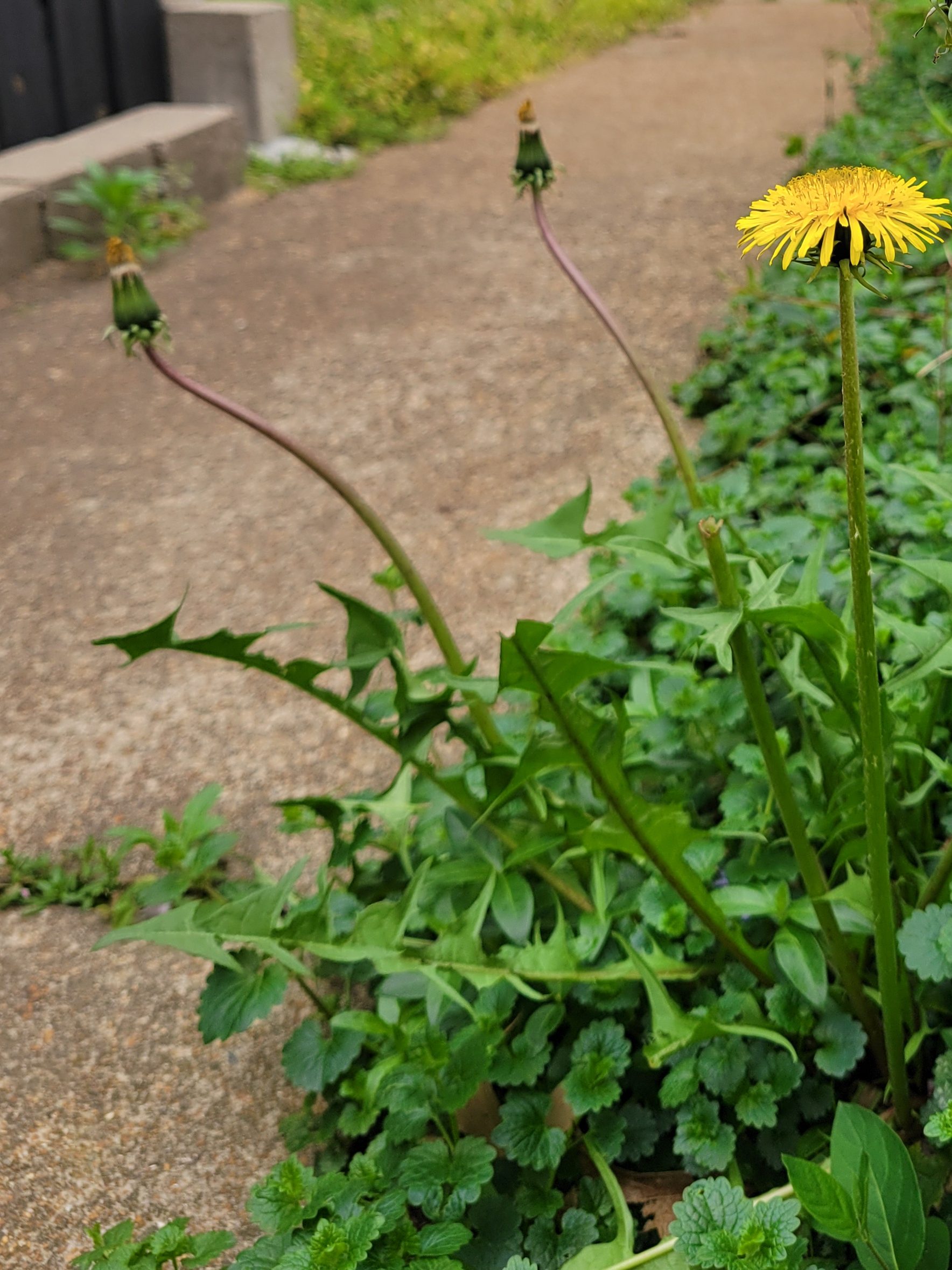
My son is a huge fan of these plants and loves blowing their airborne seeds anytime he finds them, which only further spreads this species around the region. The dandelion seeds take flight by what is called a pappus, which is the fuzzy white parachute-like structure that helps the seeds float away. Scientists have actually tracked these seeds and found that given the right conditions, they can travel up to about 60 miles away, although more commonly they only make it about 6 feet from the parent plant. With that said, they hold the world record for farthest seed dispersal of any plant.
These other tiny yellow flowers in my yard are another invasive species, which is now found throughout much of North America. These are the flowers of what we called “Wild Strawberries” as kids, but are actually Indian Strawberry (Potentilla indica). Indian Strawberry, (also known as Mock Strawberry) looks very similar to actual wild strawberry, but its flowers are yellow, and its small compact fruit, although similar in appearance to strawberries, is not juicy and apparently not very tasty. Despite this, the fruit is edible and will sometimes be used in jams as a filler fruit in combination with other more flavorful fruits.
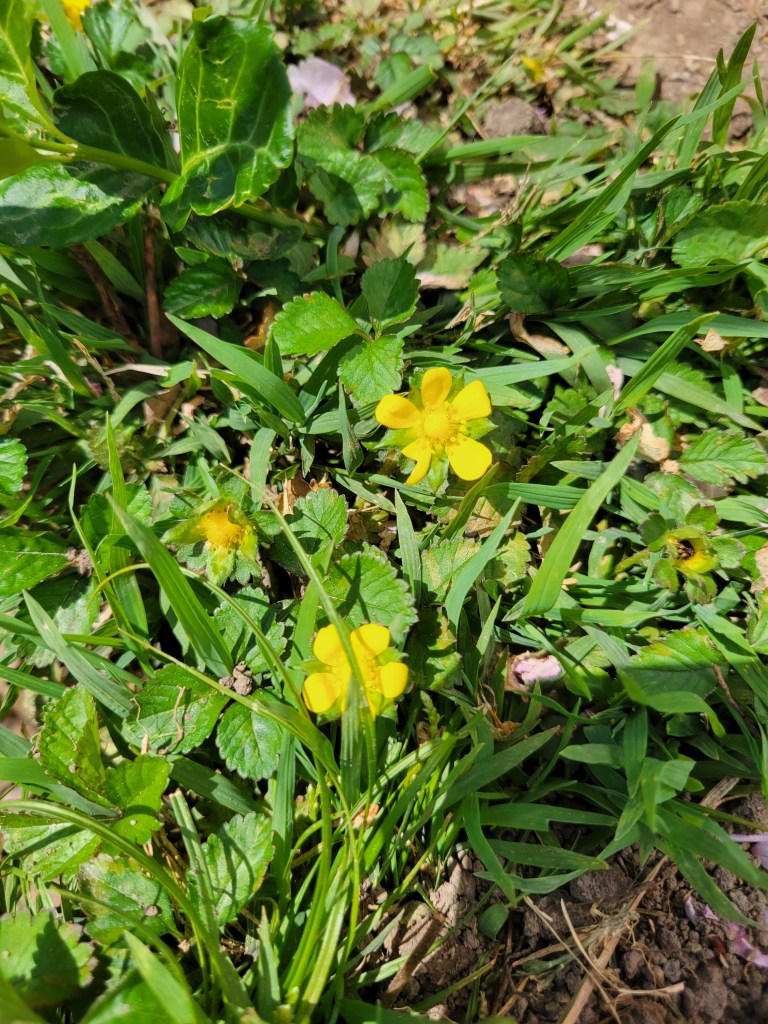
The Indian Strawberry is native to India and was brought to North America for its perceived medicinal uses and as an ornamental plant. Unlike the dandelion, though, there is not an appreciation for this invasive species, as it is disruptive to native species. The presence of this plant is associated with a decline in ant and springtail populations, which are essential to the health of the soil.
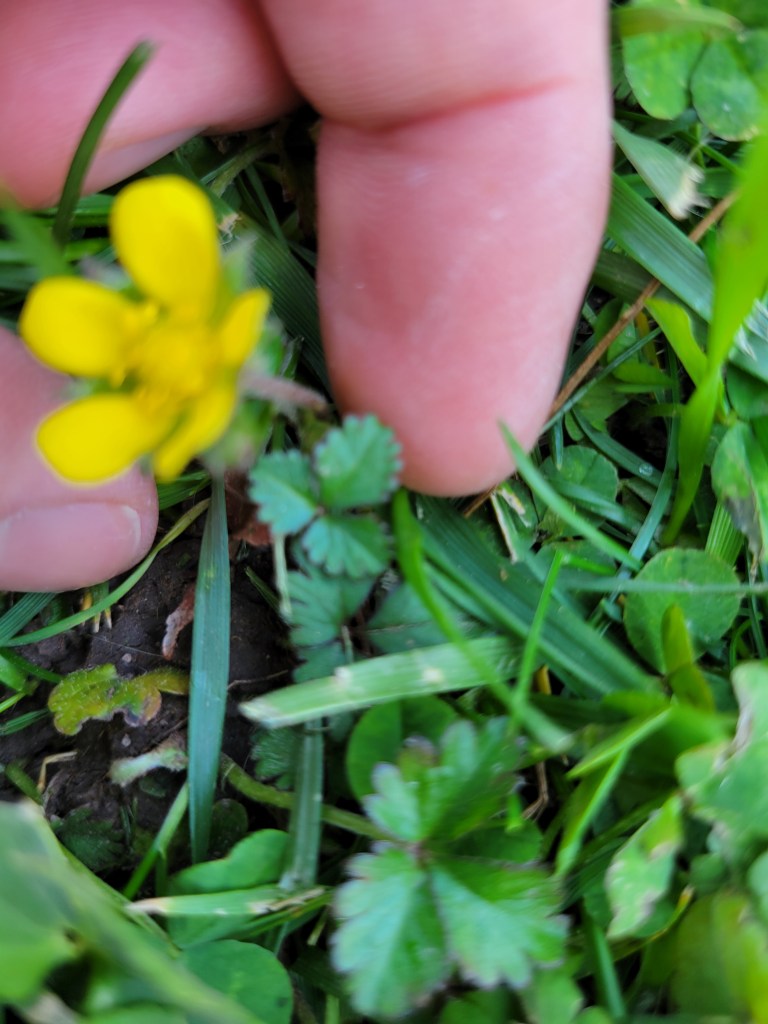
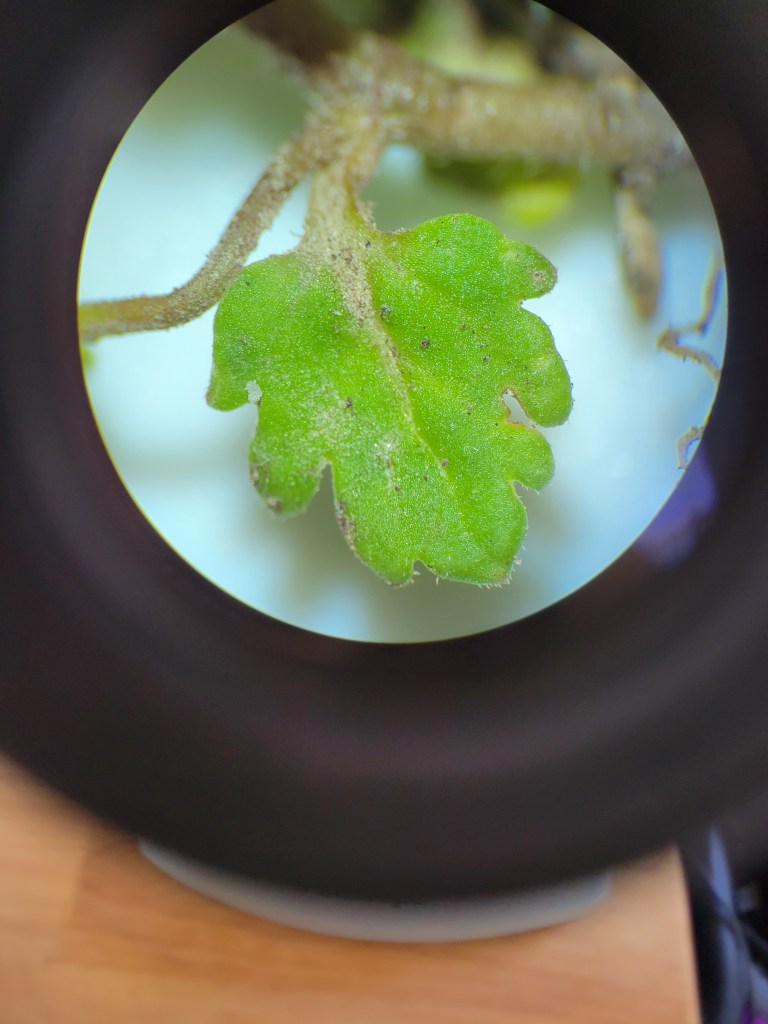
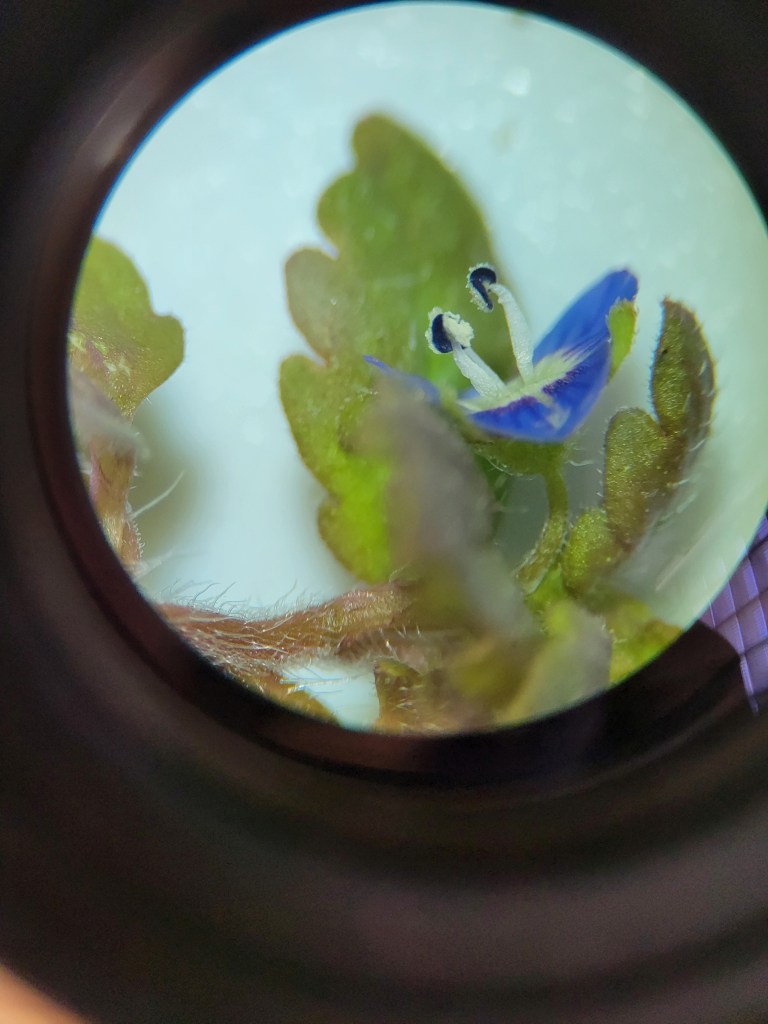
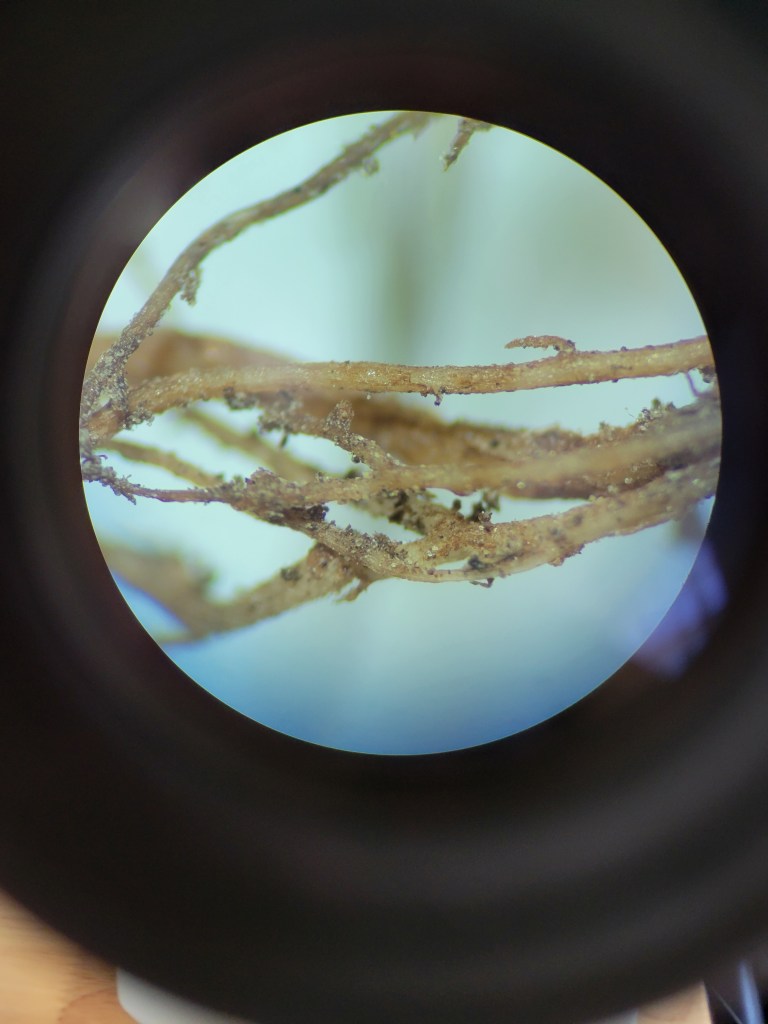
Next are the tiny, as in 7mm–12mm wide, blue and white flowers of the Persian Speedwell (Veronica persica), also known as Birdseye Speedwell. This plant is native to Europe, Northern Africa, Southwestern Asia, and the Arabian Peninsula, but can now be found throughout most of North America. The plant spreads out low to the ground and has leaves that sprout in an uneven pattern along the stem. The roots are shallow, and the green leaves are slightly hairy. This plant is one of the more aggressive and impressive invasive species, being able to outcompete even grass, and can spread rapidly. The flowers are visited and pollinated by small insects from March to June, making this one of the first flowering plants in the early spring.
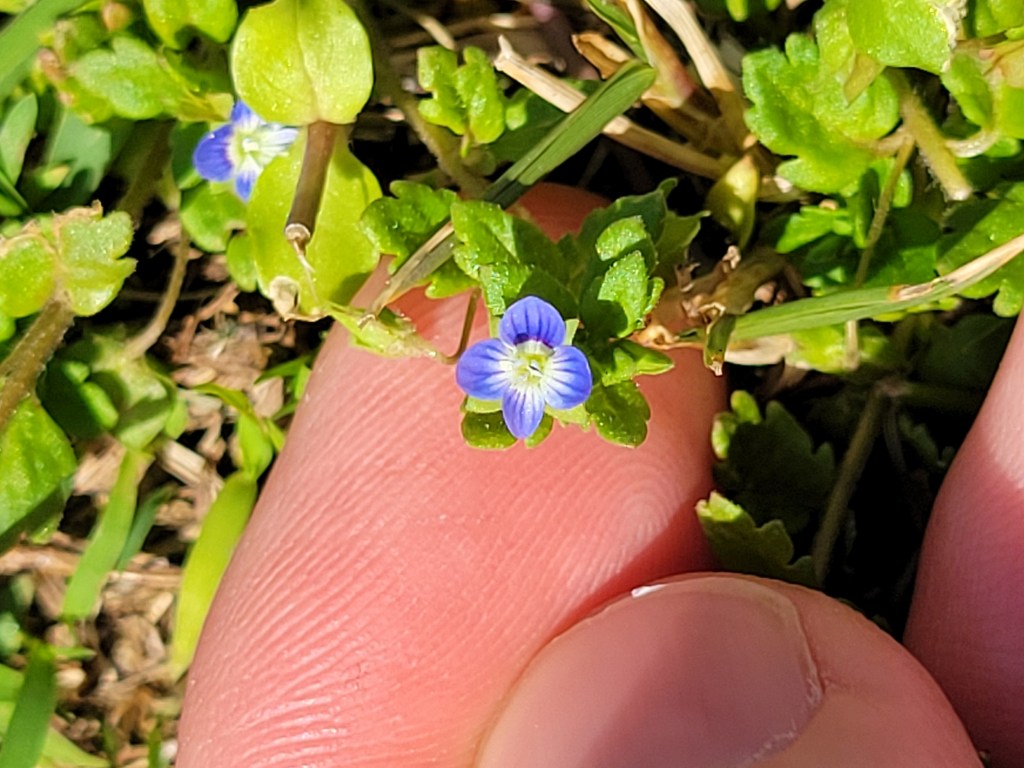
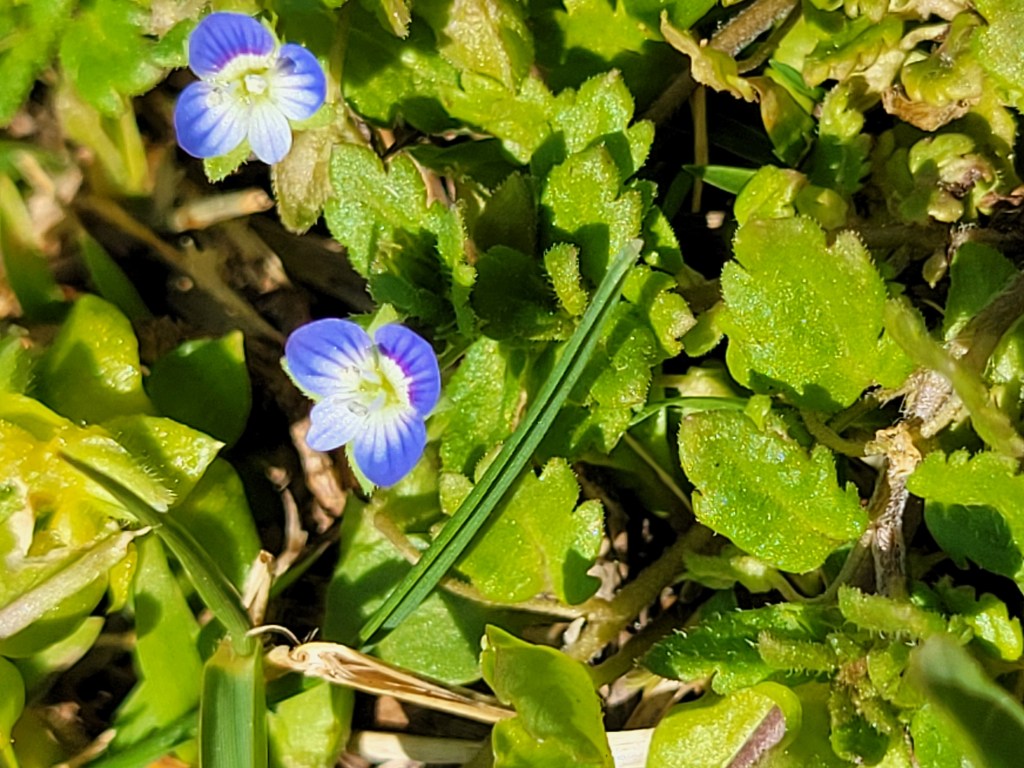
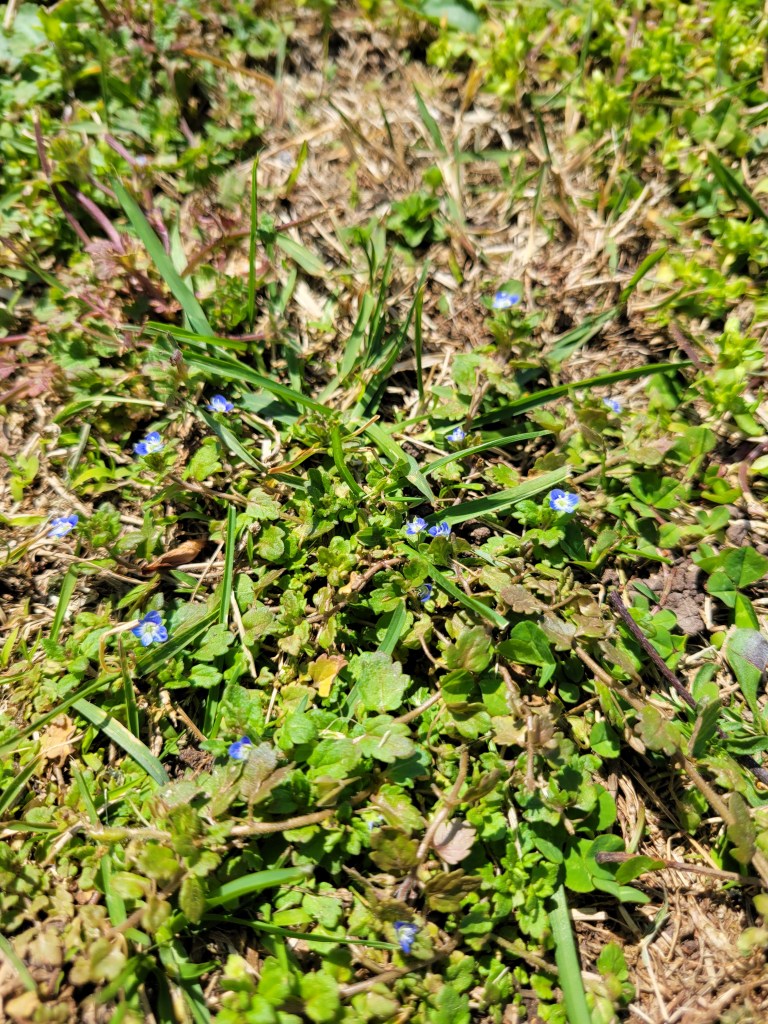
The tiny seeds are spread via birds and strong gusts of wind. This plant is also edible and is used medicinally in its native range for hemorrhaging, snake bites, arthritis, and asthma. The plant’s ability to grow and spread quickly while choking out native grasses makes this invasive species one that monoculture lawn enthusiasts despise.
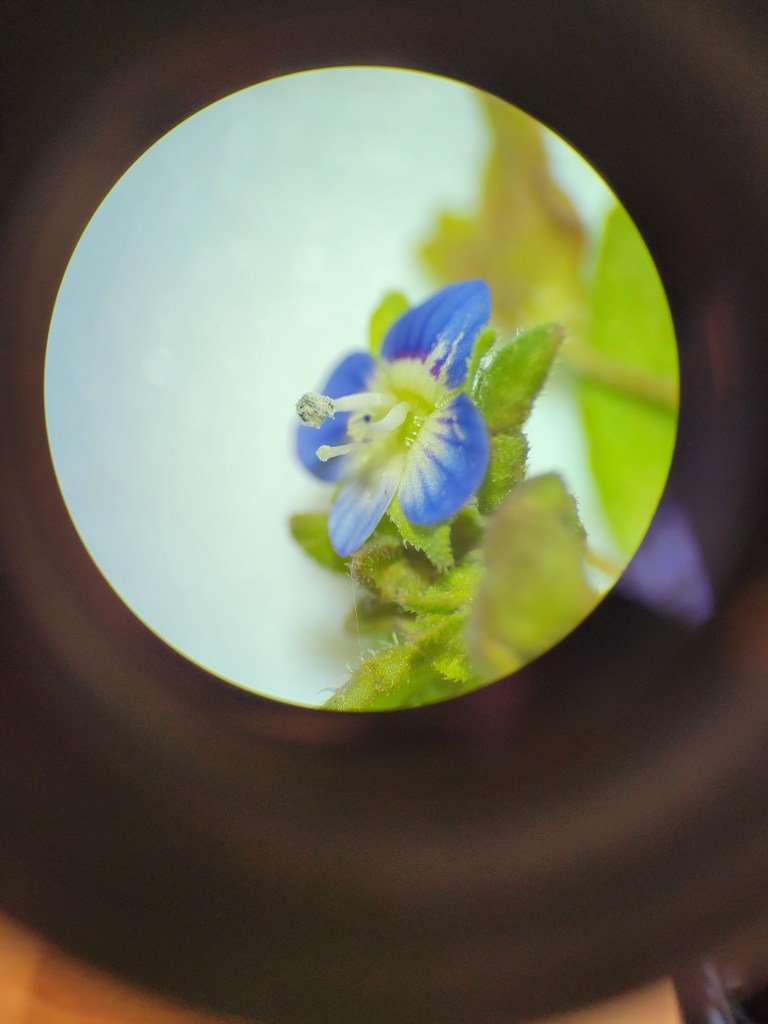
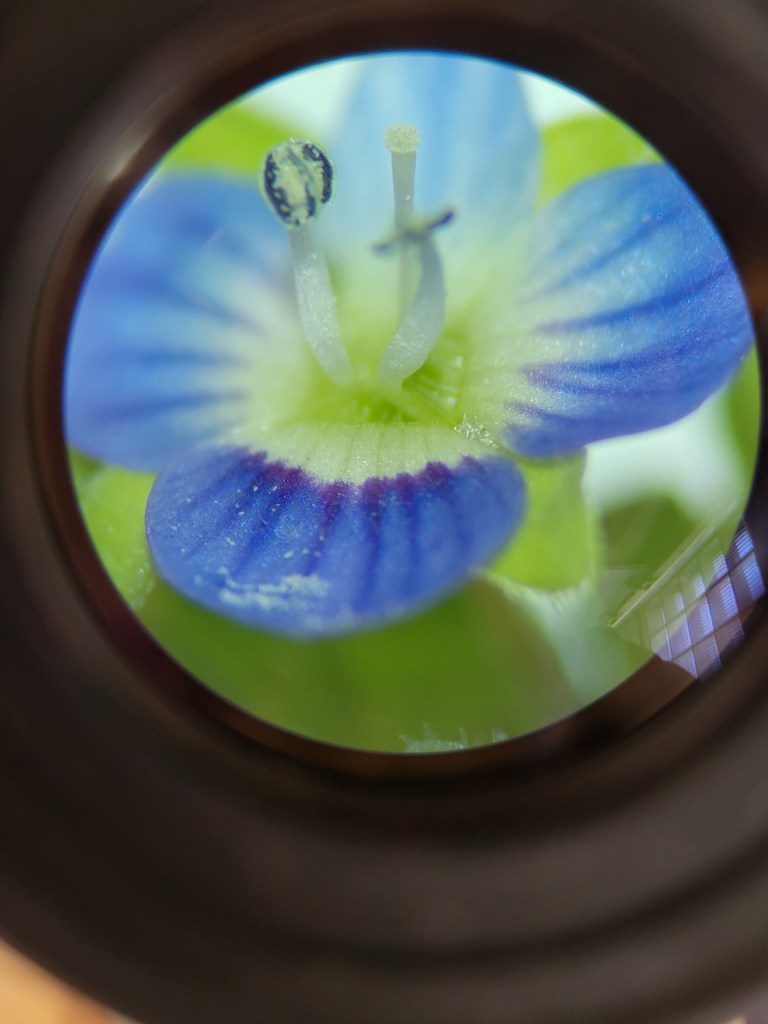
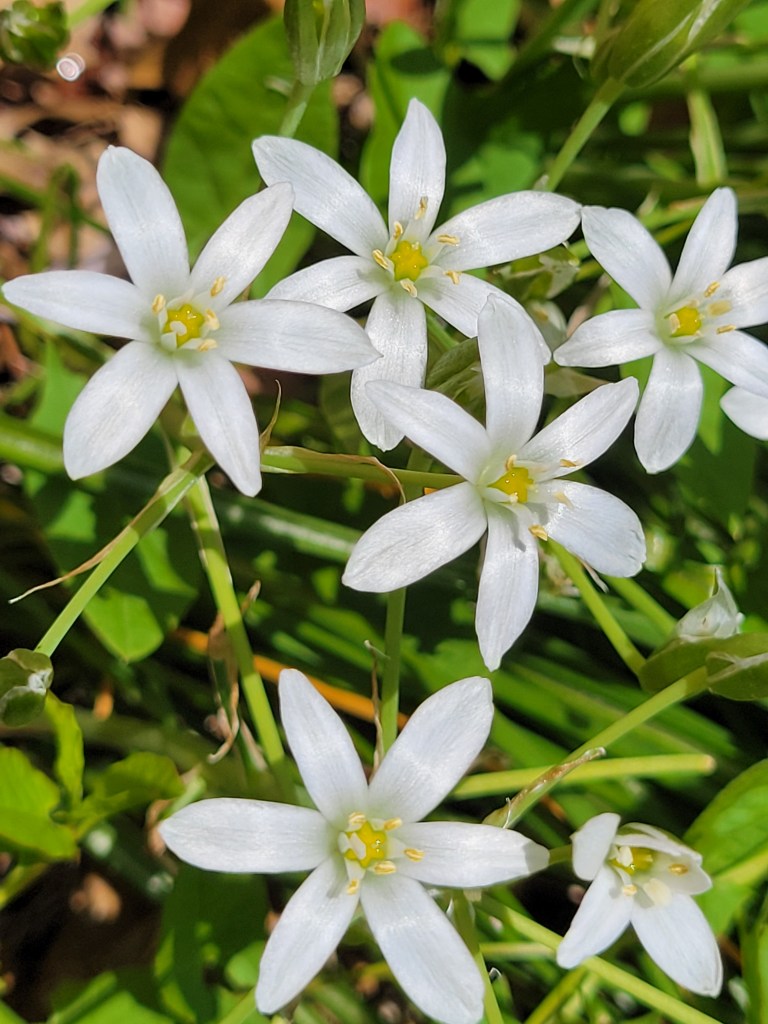
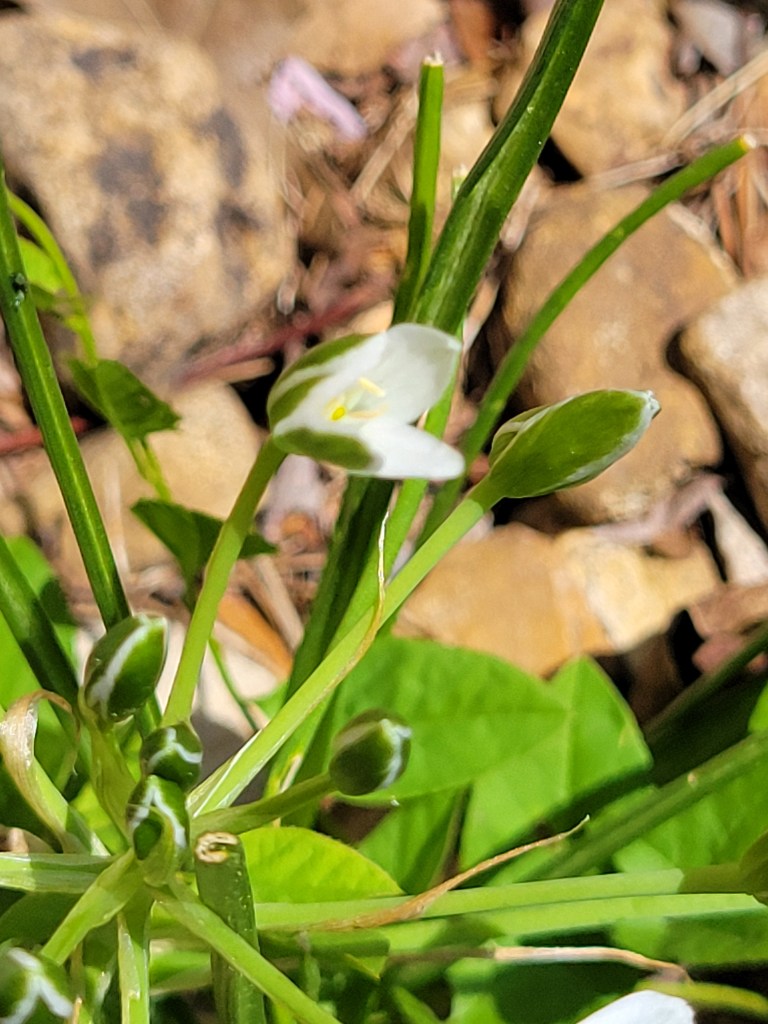
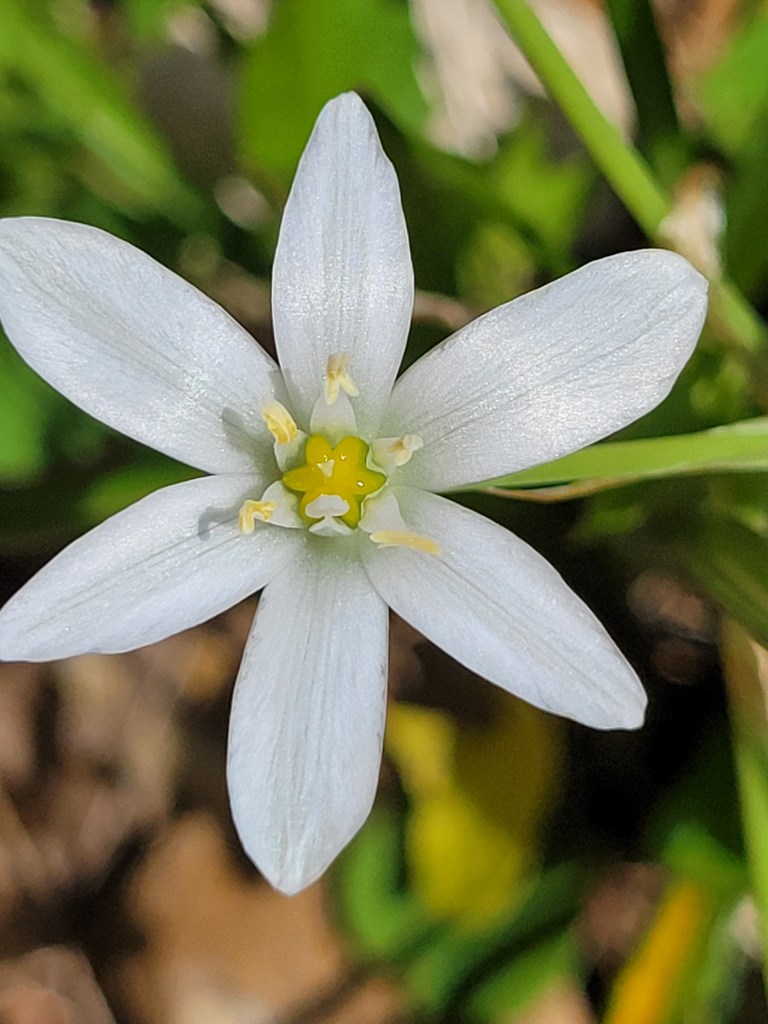
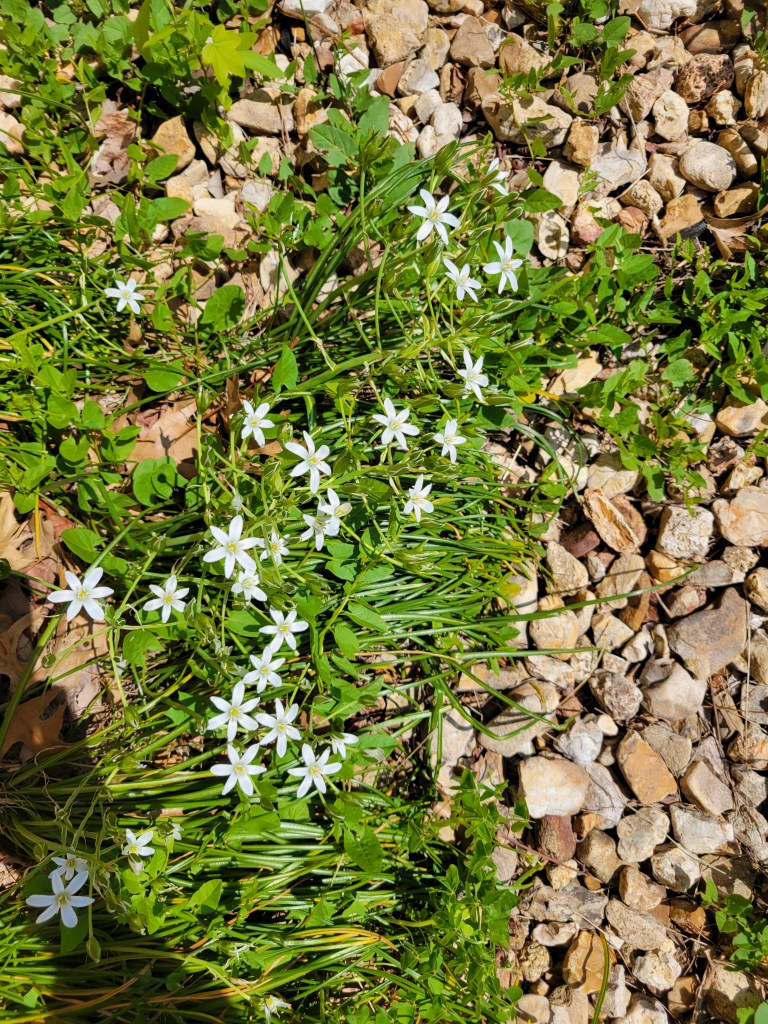
Last on the list is another invasive species, this one hailing from Europe and Northern Africa. At first, my wife thought they may be snowdrops, but after some research, it was concluded these are actually The Garden Star-of-Bethlehem (Ornithogalum umbellatum). This name is fitting for an Easter weekend post for sure, but they are also known as Grass Lilies and Nap-at-Noons. That last name makes a ton of sense, as these flowers will not open up until late afternoon. When closed you can only see an outline of the white flower hidden beneath the green back of the petals.
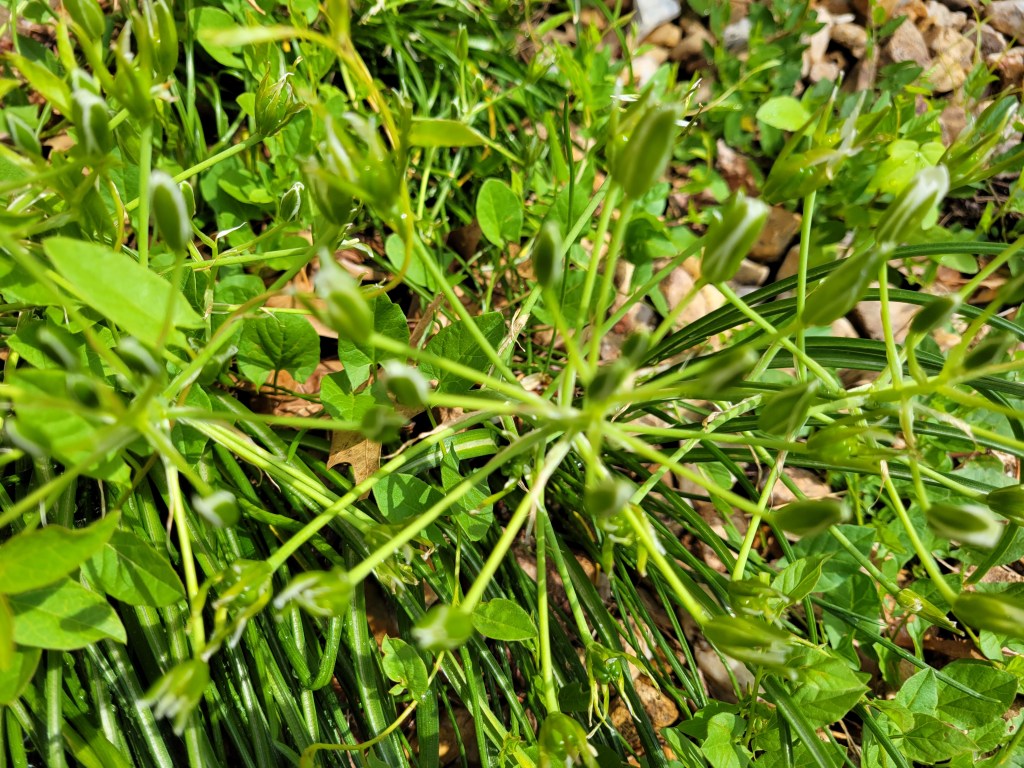
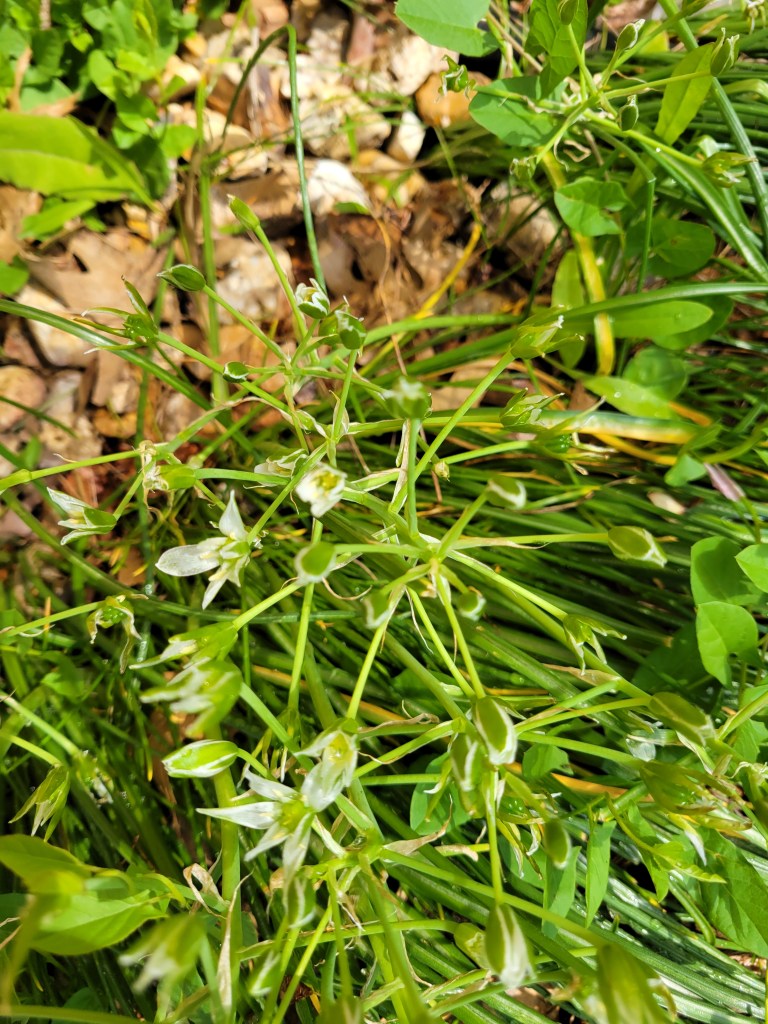
They were and still are planted as ornamental plants, but they have spread into the wild and escaped our gardens. Though invasive, they tend to stay in small clusters and do not cause as much damage to native species as some of the other species on this list. The Nap-at-Noon (must be nice to nap period!) is a perennial bulbous plant that will die off shortly after flowering starts, which is early spring, and they will over-winter as bulbs. These are growing in my yard, surely planted by previous owners, but I have also found wild clusters in local parks. They belong to the asparagus family, BUT unlike asparagus and the other plants on this list, they are toxic to humans and livestock. Consumption of this plant will cause some pretty nasty side effects ranging from diarrhea to swollen burning lips and throat…just don’t eat it.
Well, that concludes the menagerie of spring plants for today. I know these were very quick tidbits of information on all of the species listed here, but I hope you learned something nonetheless. I learned just how abundant non-native species are to our local environments and how easily they can spread and incorporate themselves into the landscape. I also was not aware of how many of these plants are edible, but please do not eat anything that you are not 100% sure on its identification, this is not to be advice on what to eat from your yard by any means!!! That said, the bees and other insects seem to be enjoying the flowering plants, and I hope that you all are too! Until next time, go out and explore the wonderful world of spring!

References:
Peterson, R. T. and McKenny, M., (1968), A Field Guide to Wildflowers of Northeastern and North-central North America, Houghton Model in Company, Boston
Zim, H. S. and Martin, A. C., (1950), Flowers A Guide to Familiar American Wildflowers, Golden Press, New York
Readers Digest, (1991), Nature In America: Your. WaS Guide to Our Country’s Animals, Plants, Landforms and Other Natural Features, The Readers Digeat Association, Inc., New York.
https://en.wikipedia.org/wiki/Ornithogalum_umbellatum
https://en.wikipedia.org/wiki/Veronica_persica
https://weedid.missouri.edu/weedinfo.cfm?weed_id=303
https://mdc.mo.gov/discover-nature/field-guide/indian-strawberry-mock-strawberry
https://en.wikipedia.org/wiki/Potentilla_indica
https://www.imperial.ac.uk/news/236934/engineers-uncover-secret-thinking-behind-dandelions
https://mdc.mo.gov/discover-nature/field-guide/common-violet
https://www.missouribotanicalgarden.org/PlantFinder/PlantFinderDetails.aspx?kempercode=m820
https://mdc.mo.gov/discover-nature/field-guide/common-dandelion


 Flora Fauna STL
Leave a comment