
Everyone who has grown up in an environment with cicadas has a moment in their childhood when they realize the rhythmic buzzing sounds of summer are emanating from this magical insect. I’m not exaggerating on the magical part either; periodical cicadas actually belong to the genus Magicicada. Some people can’t stand the sound of cicadas, which is a stance I understand since large clusters can be as loud as 70 to 100 decibels. This equates to being slightly louder than police sirens but not as loud as an airplane engine. They are loud enough that cicadas have been blamed for hearing damage and even hearing loss. This has been debunked by none other than the CDC, and the cicadas have since been acquitted. Below are pictures of the Megatibicen auletes/ Northern dusk cicada and a video with their song.
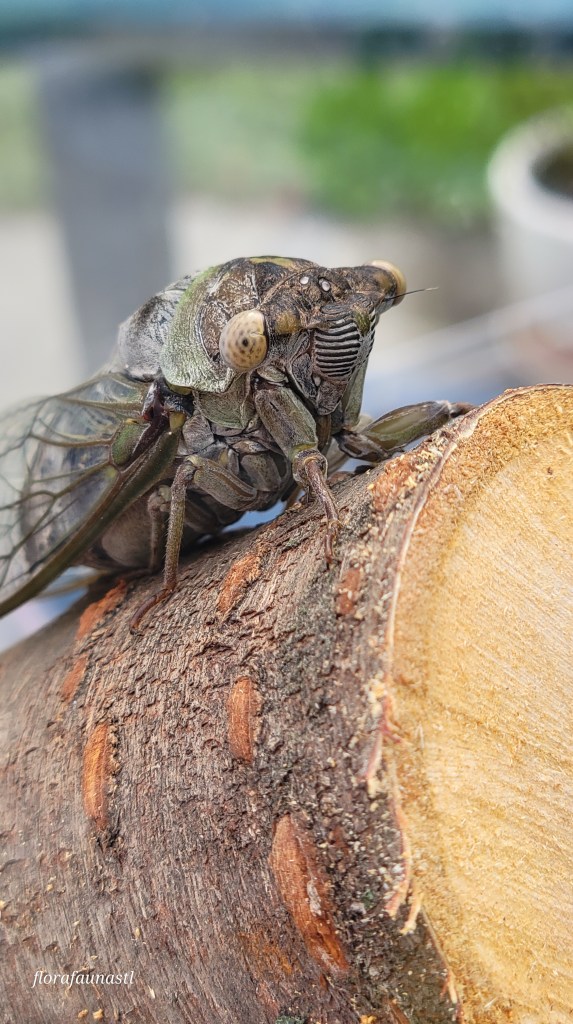
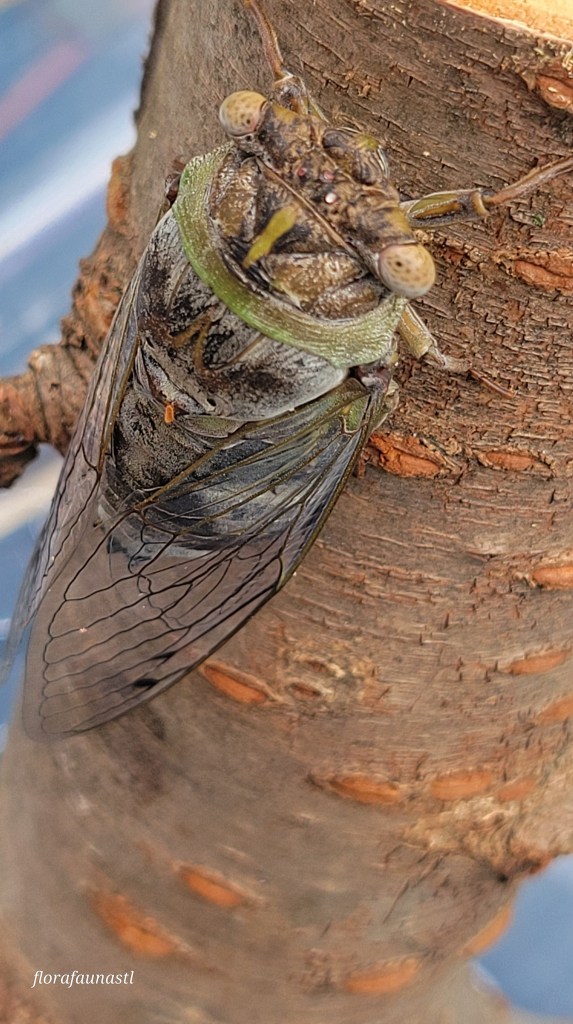
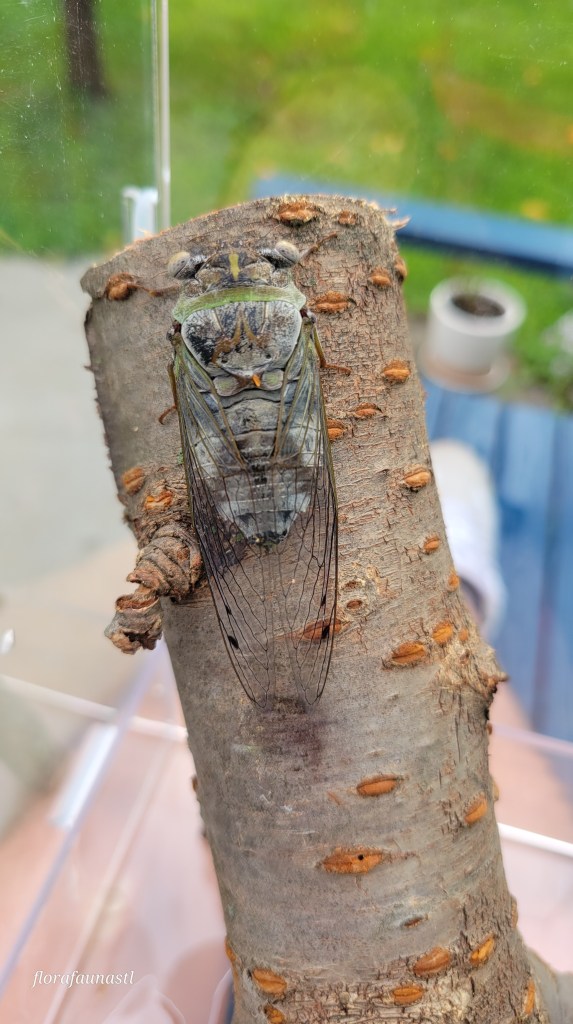
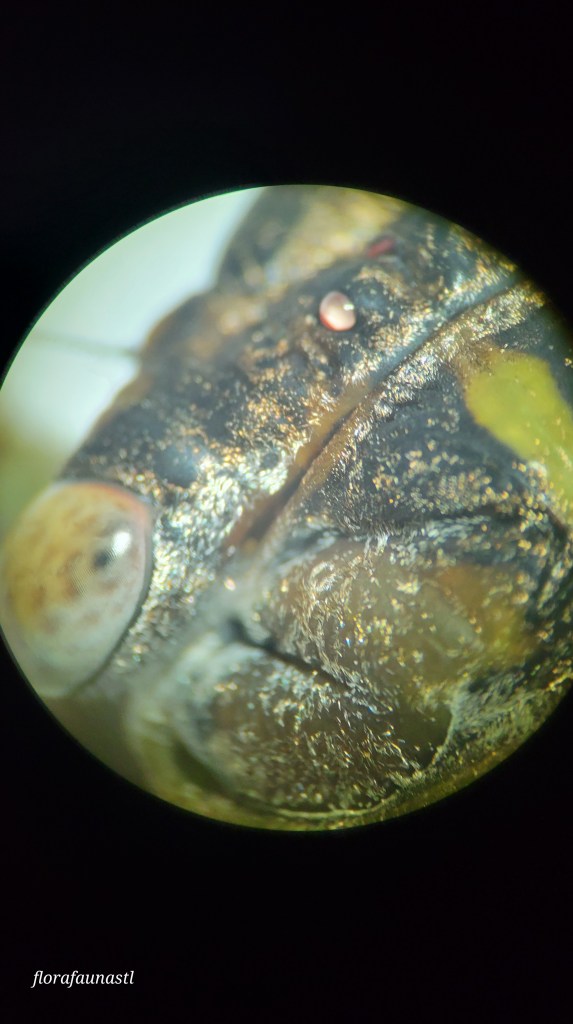

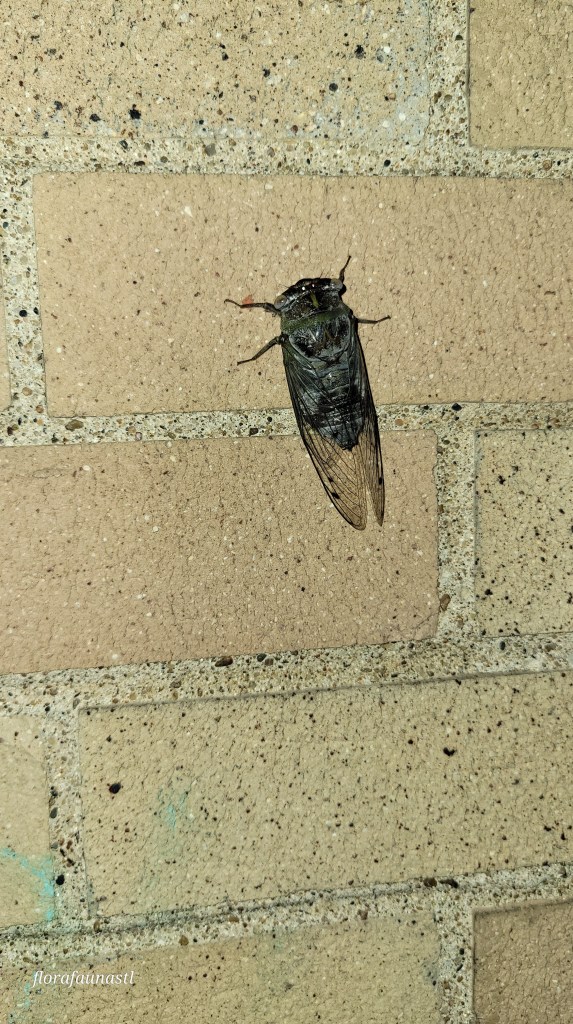
Personally, their radiating sounds, slowly building to climactic highs before tapering off, are such a familiar and peaceful sound, like the voice of an old friend. There is something nostalgic about their songs; you can close your eyes and be transported right back to yesteryear’s dog days of summer. I may be alone in this, but the “dog days of summer” is a phrase that I never cared enough to look into until I did my research on cicadas. The term stems from the historically hottest days of summer, which happen to coincide with the rising of the star Sirius, which is the “Dog Star” and also part of the Canis Major constellation, which is the “Greater Dog”. The research into the history of the terminology came about because the annual cicadas are commonly referred to as Dog-Day Cicadas. This makes sense as annual cicadas tend to be very active during those late scorching days of summer between June and August. Periodical cicadas emerge earlier, typically between May and June.
Before we go any further, I want to clarify with everyone that cicadas are not locusts, despite what Bob Dylan and many other people tell you. The misnomer of calling them locusts stems from colonists who first observed the periodical cicadas in great numbers in North America and were reminded of the biblical plague, which were in fact locusts. The correlation makes a lot of sense because periodical cicadas would have never been seen by the settlers in the old world as they are native to North America. And if you had never experienced how loud and how many periodical cicadas emerge with a brood you would probably feel like it was the wrath of god, at least if you were a colonist. I can only imagine the sheer panic and fear the settlers must have felt when that first brood emerged. There are reports of them being genuinely afraid of the cicadas, refering to them as “a great sort of fly”. I would have loved to be a cicada on the wall for that first encounter. If you want to read up on real locusts you can go to my article on Differential Grasshoppers. Below are pictures and video of the periodical cicada.
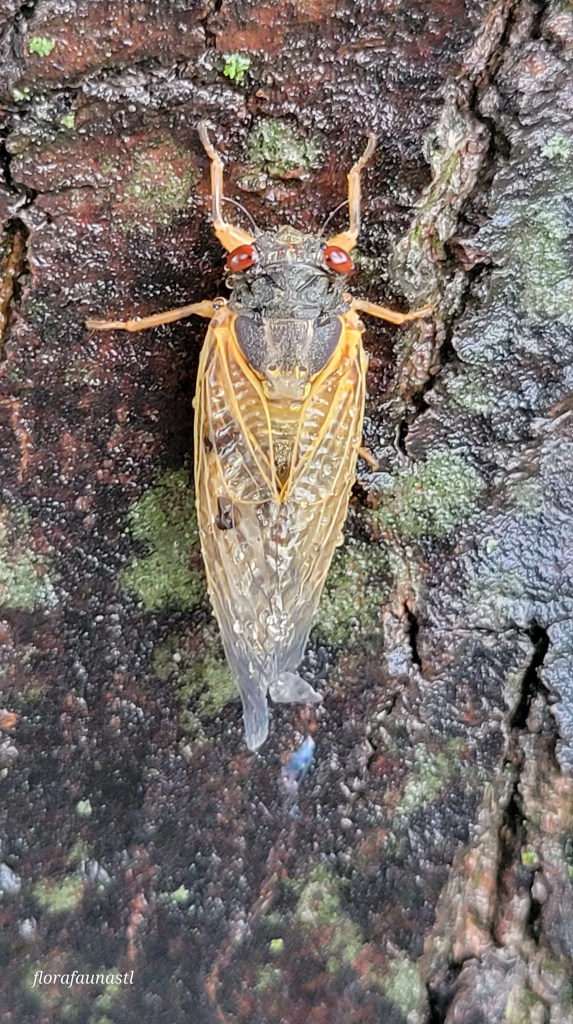
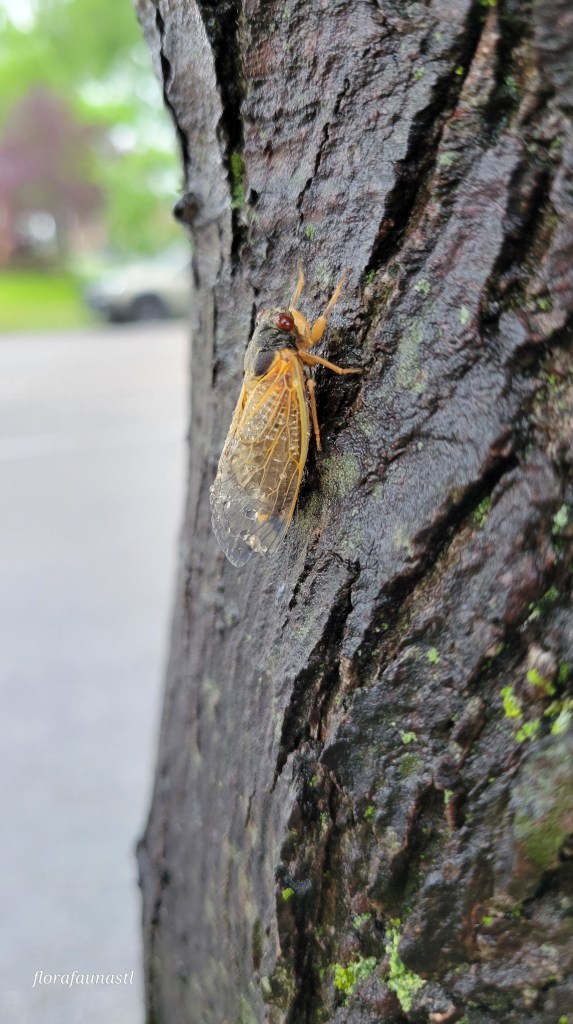
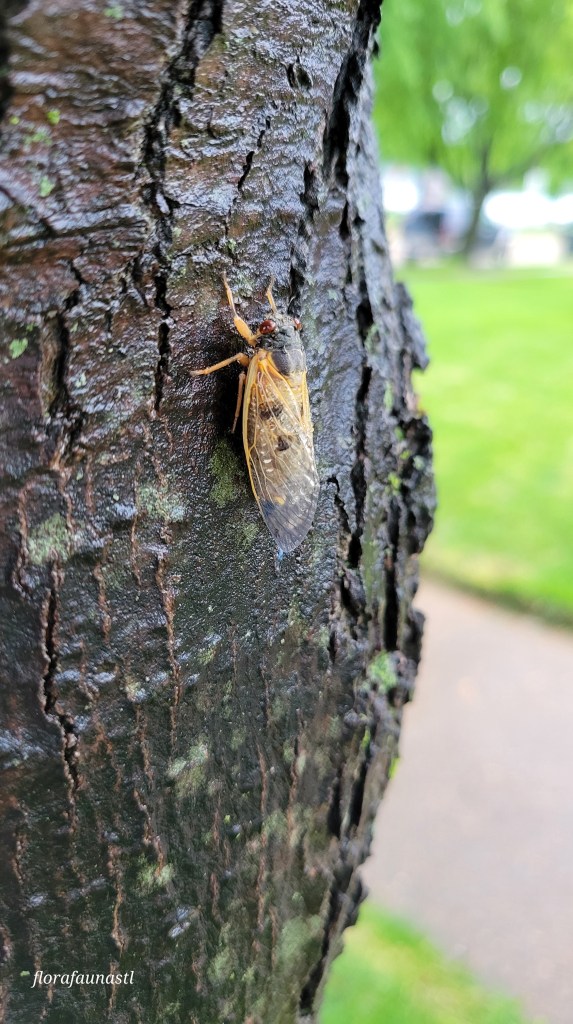
Cicadas can be found on every continent, with Antarctica being the exception. Obviously, being in St. Louis, we will be focusing on species native to the region. North America is home to both annual and periodical cicadas, the lifecycle and habits of which are similar enough that this piece will give you a high-level understanding of both types of cicadas. There are a few key differences though. For one, the periodical cicada has a prime number lifecycle, only emerging every 13 or 17 years. There are seven species of periodical cicadas which fall under the genus Magicicada, as mentioned earlier. Annual cicadas emerge every year, and these are referred to as the Dog-Day Cicadas, of which there are several species that fall into this group. I was always under the impression that annual cicadas had an annual lifespan and thus only lived 1 year. Well, let me tell you, the annual cicadas are just as impressive as the periodical cicadas. Sure, they don’t emerge in massive broods and at the “exact” same prime time, but they live for 2-5 years! Yeah, that’s right, those annual cicadas are actually staggering their emergence from underground; they just emerge every year, thus the nomenclature “annual cicadas.”
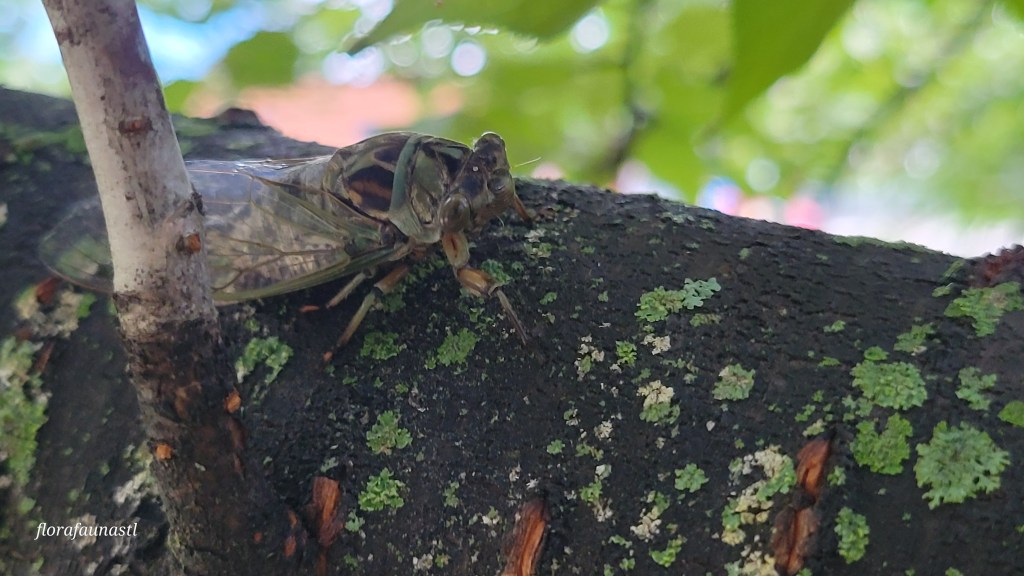
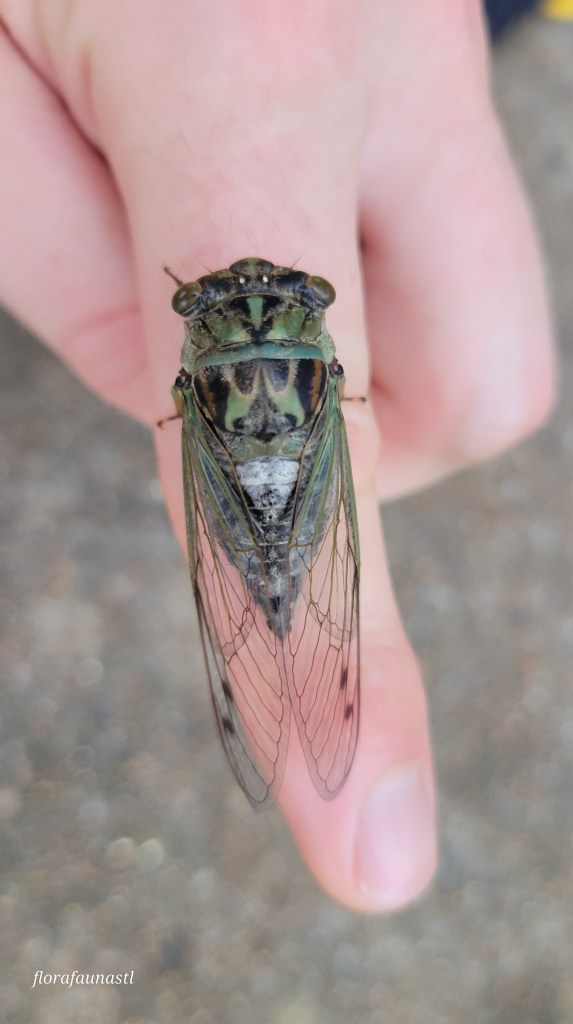
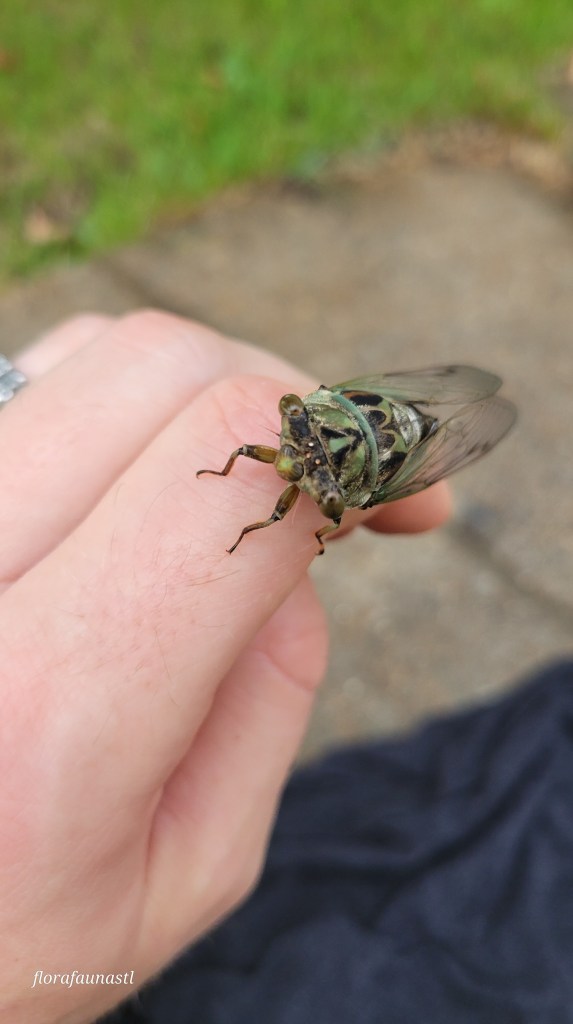
Other differences between periodical cicadas and annual cicadas are their size and coloration. Annual cicadas are larger than periodical cicadas and are often more colorful, sporting shades of green, orange, black, tan, and white. More notable differences between all cicada species are the coloration of their two compound eyes, which can range from grey to orange to blue. The identification of cicadas can be difficult and comes down to their markings, size, and each species’ unique song that they sing at specific times of day. The two annual cicada species I captured for this site were identified (I am fairly confident I got the right species for each) based off cross-referencing the songs and their markings, but even that can be tricky as the uniformity of markings can vary by location. For identification of different cicada species found here in Missouri I highly recommend starting with the Missouri Department of Conservation as this was key for starting my research and identification of the species I found. Below are photos and video of Neotibicen robinsonianus, commonly called Robinson’s cicada.
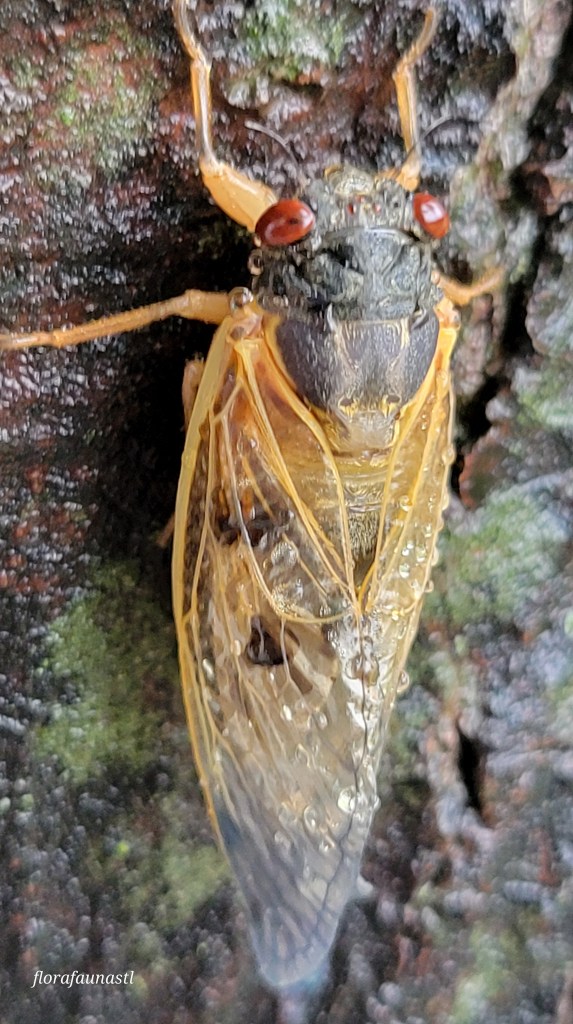
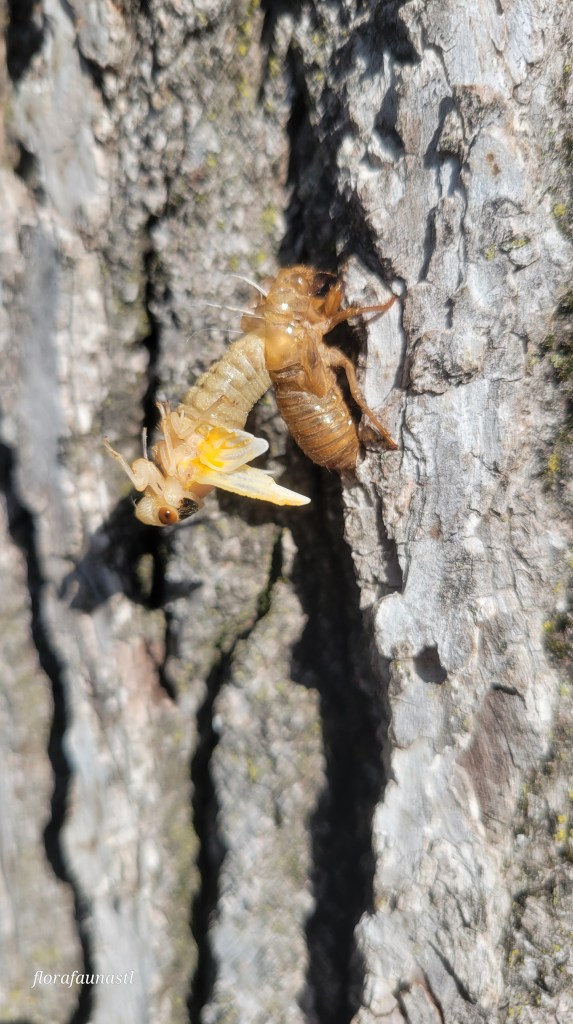
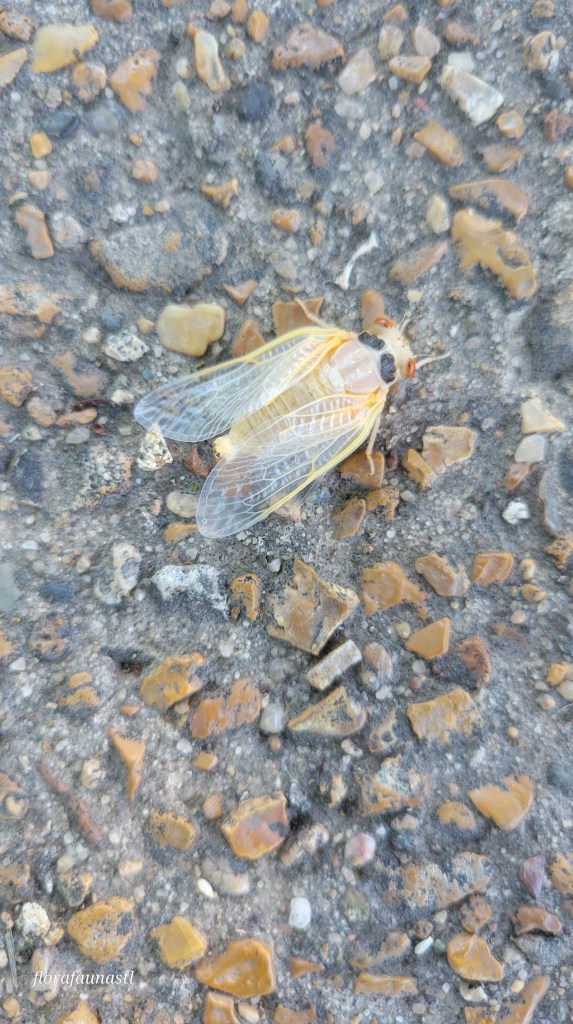
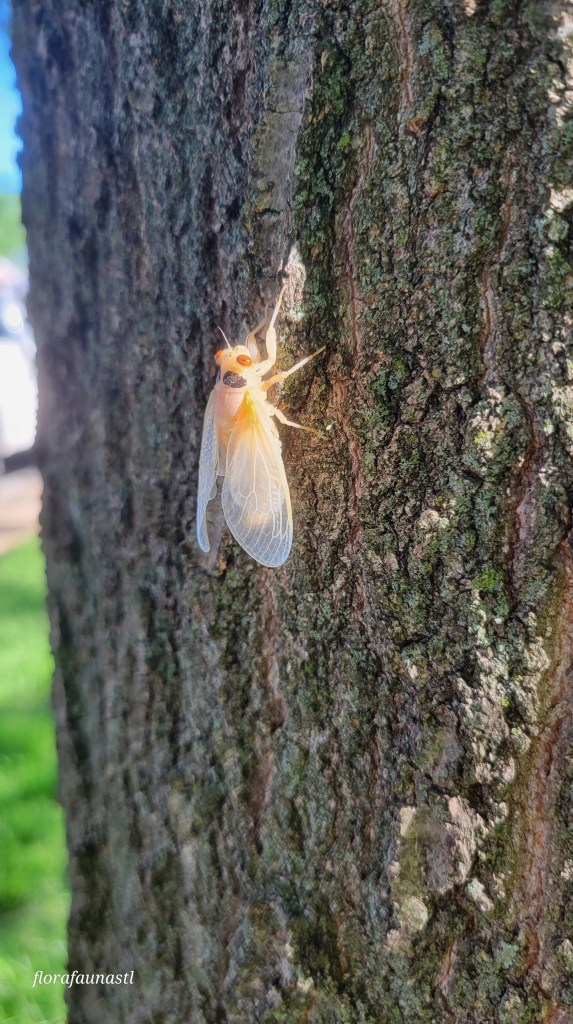
Cicadas have been around for at least 40 million years and may have developed their prolonged time underground as a response to temperature changes during the Pleistocene Epoch, more commonly known as the Great Ice Age. As well, cicadas do not have any real method of defense; they are slow moving, non-toxic, nor can they bite or sting, so emerging in large numbers allows for the survival of the species as the probability of predation per individual becomes less likely. This strategy is known as predator satiation, which is a strategy used by many other animals and plants. Cicadas are preyed upon by many species of birds, spiders, reptiles, mammals, and other insects, in particular the infamous cicada-killer. Let’s also not ignore the fact that there are also cookbooks devoted to cicada delicacy, and I have read they are a rather tasty low-fat high protein snack. They are best consumed when they are still molting, just after emerging from their shell, or so I have read. I will allow you more exotic diners to report back on this one. Below is a periodical cicada molting.
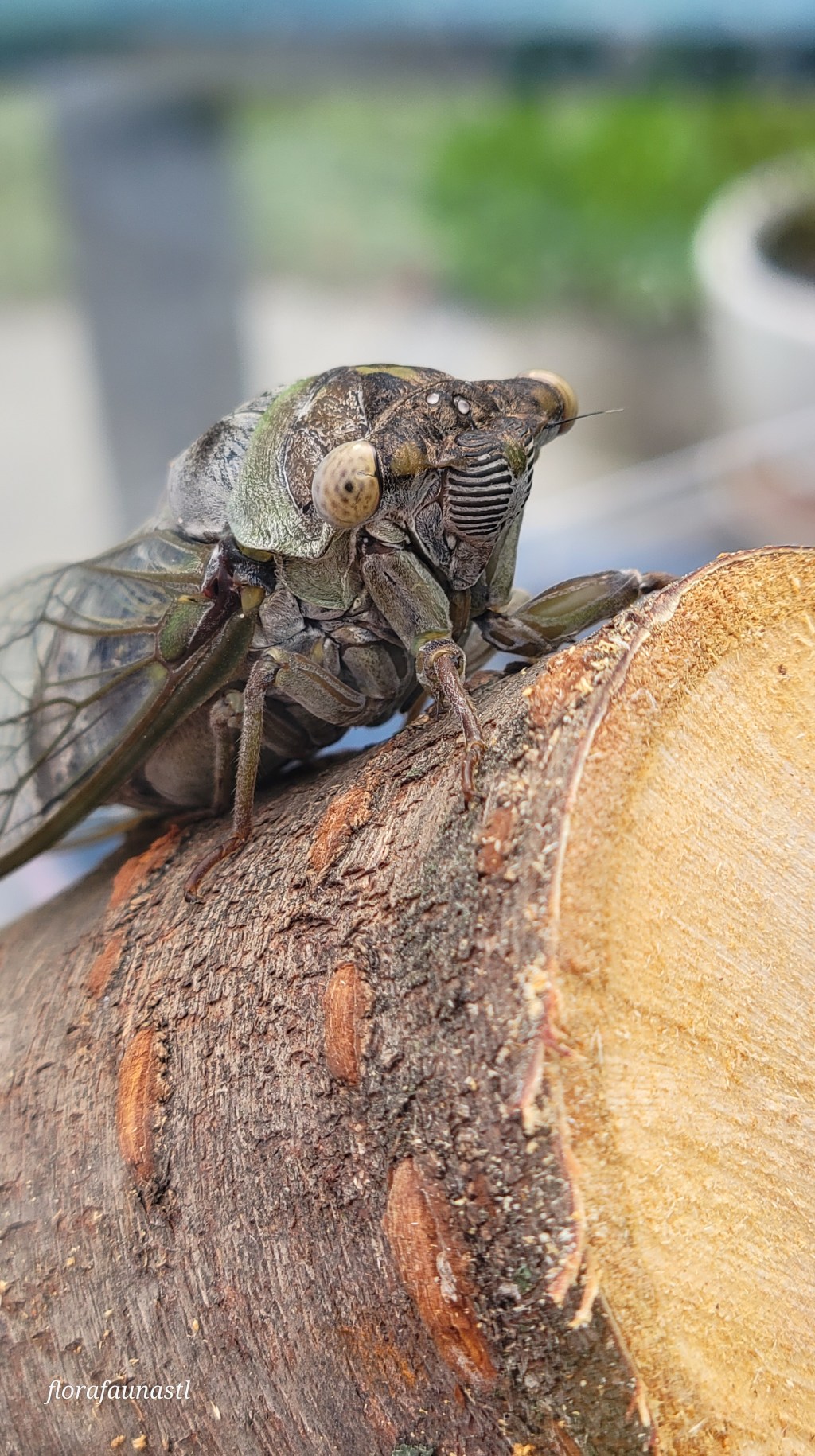
Cicadas themselves have an appetite for sap and other plant juices. You can see the cicada’s long mouth part here, which is akin to that of a mosquito’s proboscis, but much stronger and sharper.
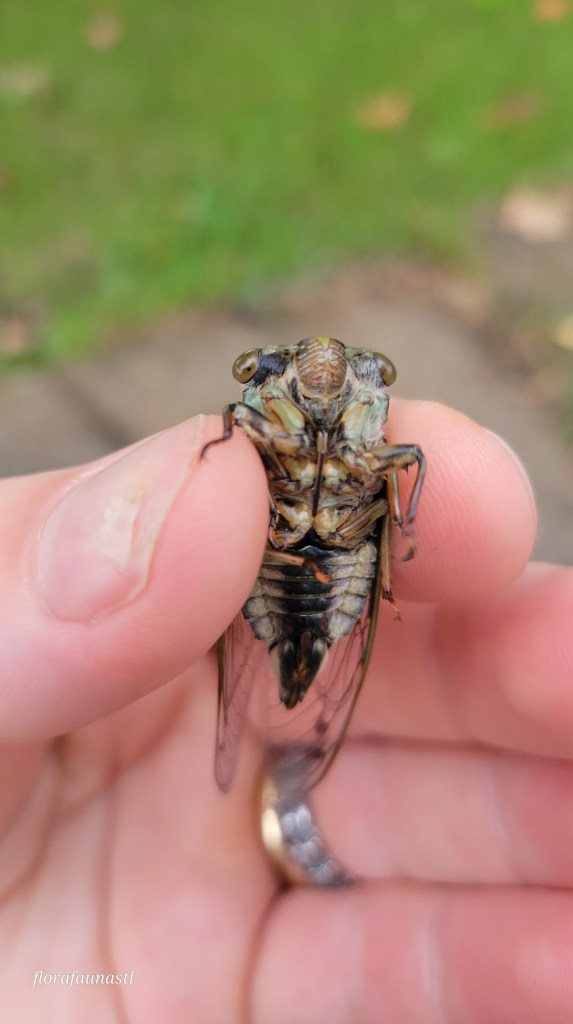
Cicada mouthparts are used to pierce tree branches and suck fluids from the tree as adults, and as nymphs, they suck the juice from the roots of trees. Each species of cicada does have certain types of tree species they prefer and therefore different environments that they are more fond of. Some like woodland forests, while others prefer swamps, prairies, oakwood, or hardwood forests, and some even prefer tall grasses and shrubs over trees. This is a good spot for us to branch into their lifecycle. Mother cicadas use their serrated saw-like ovipositor to cut slits into tree branches where they lay around 25 eggs safe from predators. Each female will lay between 400-600 eggs per season, spreading the eggs around multiple branches and trees. After 6 to 10 weeks, the eggs will hatch, and the nymphs will drop to the ground and begin digging toward the roots of the tree, typically about 2 feet below the ground. Now, they are obviously hard to observe when buried, but from what we know, they live a solitary lifestyle, and there is no communication between them. They will go through 3 – 5 instars depending upon the species before they reach adulthood, all but the last one happening below ground.
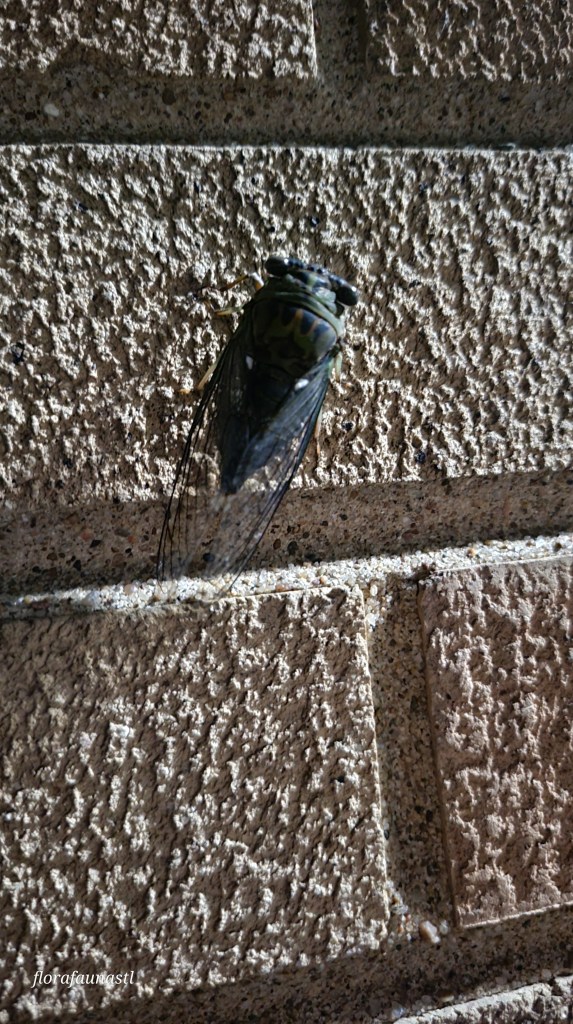
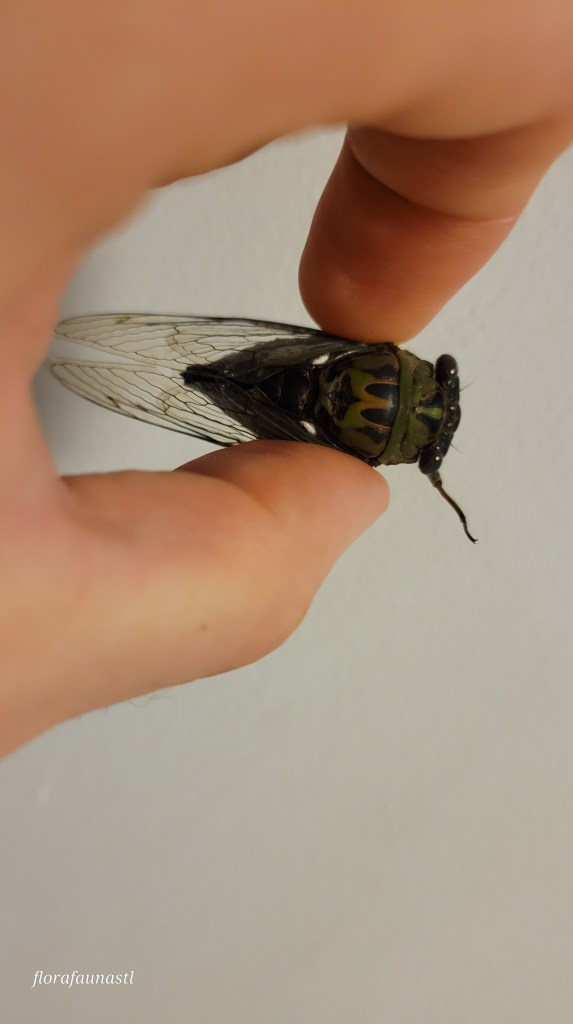
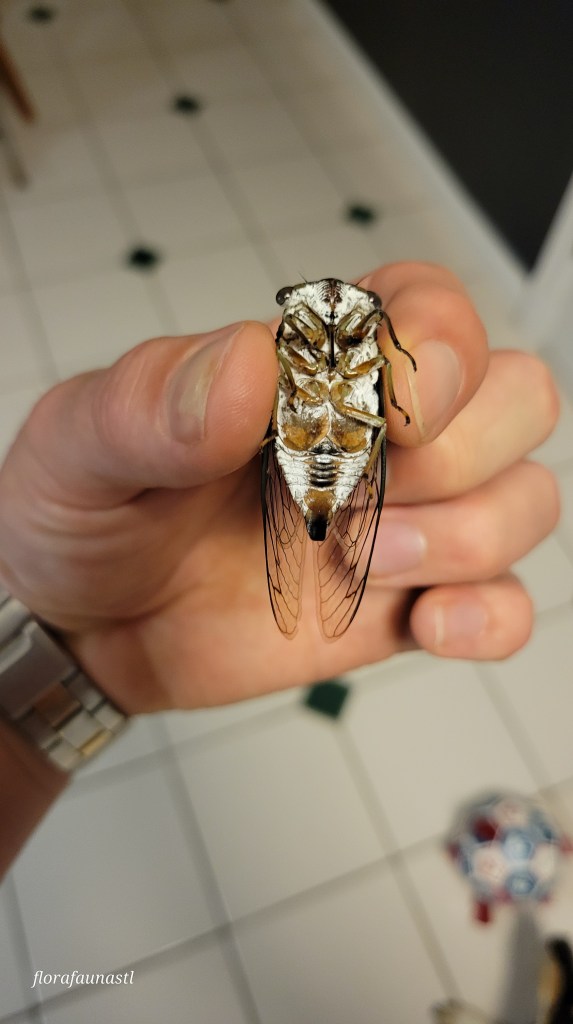
Now, we know they don’t have an alarm clock or any kind of intricate below ground intercom system telling them when to emerge, so I am sure you are wondering how they know when to head to the surface. There are a few theories on this, and there is truth to each of them; we just don’t know for sure if it is one or all of the theories playing a part. Some speculate they have an internal molecular clock that sends the signal that it’s time to rise. Another theory has to do with the tree roots they are feeding from below ground. Each spring, trees produce more amino acids in order to bud and produce leaves. So the theory is that they are counting the number of times that the amino acids increase, and by the 13th or 17th year, they dig their way up. Personally, I like this one the most, as I envision them all with a calendar and a cicada-sized sharpie marking the years off. And of course, temperature plays a huge role in this as well; temperatures need to be at least 64° Fahrenheit for them to emerge. I have learned that temperature plays a huge role in the life of many insects, so I was not surprised by this. Once the cicadas make their way above ground, they claw up a tree or any other viable vertical surface and molt into adulthood. Once they emerge, they are usually a milky white or milky green color until their exoskeleton has hardened. They will fly away, leaving behind their crunchy amber shells that kids and dogs both love, hopefully for different reasons. Below are photos of a Neotibicen pruinosus commonly called a scissor grinder cicada.
Once they have reached adulthood, they will live for 4 to 6 weeks, which is spent looking for love. The songs of the cicadas are produced by the males, and they make this sound via a special organ known as a tymbal. The tymbal contains a series of rubbery rib-like structures that males vibrate or flex quickly, producing sound at a rate of 300 waves or more per second. Although females can’t sing, they will make a clicking noise with their wings to signal they have chosen a mate. At this point, mating occurs to the romantic sounds of summer, and the eggs are laid shortly thereafter. Females will only mate once per season, but males will often mate multiple times, or at least attempt to. Cicadas not only provide an abundance of food for the ecosystem, but due to their eggs being laid in branches, they may also act as a natural pruner for trees. They can potentially be a nuisance to smaller and young trees, especially the periodical cicadas, as their large broods may be too much for the tree to bear.
I learned a lot about cicadas that I honestly didn’t know, and I find them even more captivating now. I had the realization that some of the annual cicadas that are out singing now were eggs when my son was born, which echoes our connectedness to the natural world in a way I can’t really articulate. I think it has to do with the fact that we are just going about living our life, and so is every other living creature, but most other animals simply go unnoticed. It is impossible not to notice the magical song of the cicada reverberating throughout the sultry summer nights as I watch my kids play, hearing the same songs that marinated the night while I played as a child. There is something really powerful and moving about the whole thing; the cicada truly is magical.
References:
https://mdc.mo.gov/discover-nature/field-guide/annual-cicadas
https://mdc.mo.gov/trees-plants/diseases-pests/periodical-cicadas
https://en.wikipedia.org/wiki/Neotibicen
Eating and Researching Cicadas: Biologist Explains Everything to Know About This Year’s Emergence
https://naturalhistory.si.edu/education/teaching-resources/life-science/periodical-cicadas


 Flora Fauna STL
Leave a reply to Three-Toed Box Turtle – Flora Fauna STL Cancel reply