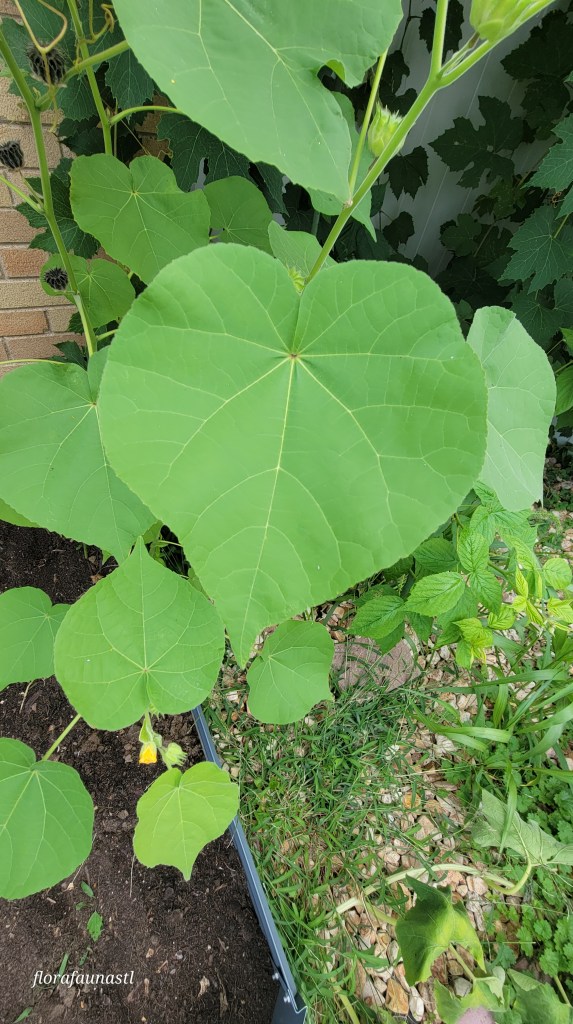
We have three garden beds in our yard and each year a lot of the same visitors sprout back up. We have the crowd favorites: cherry tomatoes, squash, zucchini, and pumpkins. These are all great to have back, and my son loves to pick “tasty red juicy tomatoes” despite refusing to eat them. The pumpkins are always fun to have; we normally send the kids to school with one for their teacher each fall. With these annual visitors, though, come a plethora of visitors I never invited and would rather not have to deal with. Usually, I pull these “weeds” when they are young, but this year I got lazy and have done little garden maintenance. Which is great for us because now we get to learn about my tallest uninvited guest yet; Velvetleaf.
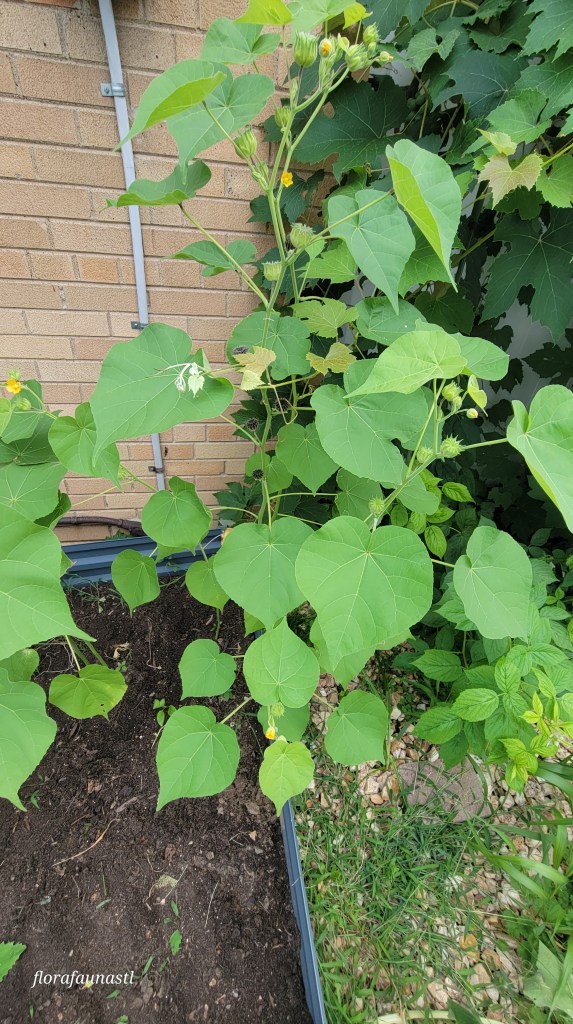
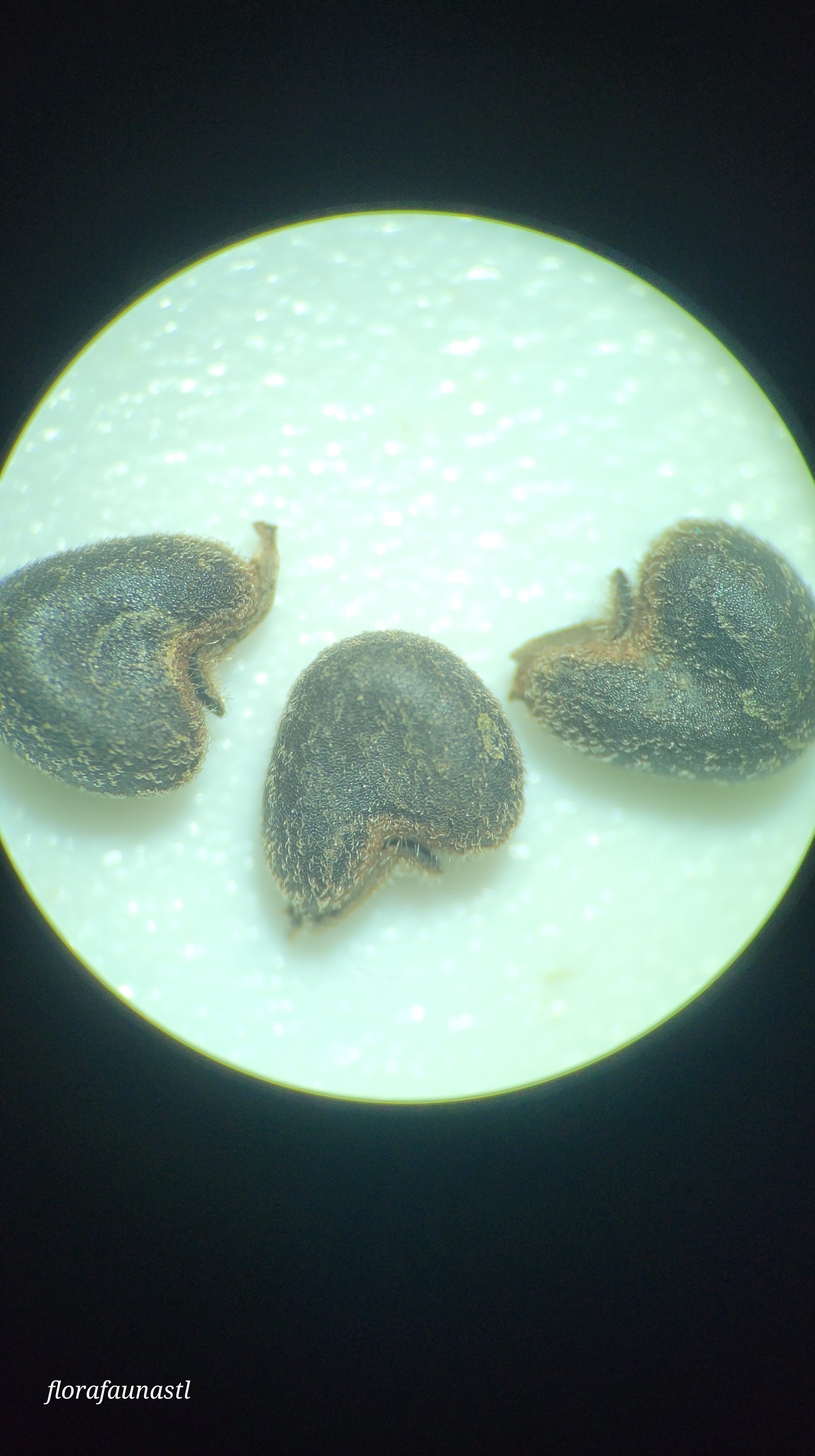
Scientifically named Abutilon theophrasti, this plant is also known by such names as velvet weed and velvet plant. The “velvet” in the common names is derived from the velvety soft trichomes (plant hair) that cover the plant’s stalks, leaves, stems, and even the kidney-shaped seeds. Another telling common name for this plant is Chinese jute. Telling because this plant is invasive to the United States and hails from its native lands of Asia, where it has been grown since 2,000 BCE for its fiber, hence the jute. I had no idea what jute was prior to researching this plant, so for those not in the know, I will rope you in. Jute is long and rough bast fiber (think the skin of a plant) that is spun into durable threads which are used for a wide array of uses including but not limited to ropes, burlap sacks, nets, and even paper. It is primarily harvested in Southeast Asia and is second only to cotton in terms of most affordable natural fiber. Velvetleaf is also used in traditional Chinese medicine to treat dysentery, ulcers, and eye injuries. The leaves can be found in certain stir-fry dishes, and the seeds are also eaten in China as well as other Asian countries as well. Now seems like a great place for a disclaimer. I am not suggesting you eat any plant in your garden unless you are confident in your plant identification.
Velvetleaf was introduced to the Eastern United States in the 1700s to be cultivated and used to produce fiber. The crop was grown and used until the mid-1800s when cotton won out in the United States fiber race. Velvetleaf was burned or hacked down and thrown to the wayside where it would die out, at least that’s what the intention was. Little did those farmers know that Velvetleaf would haunt their descendants and cause hundreds of millions of dollars annually due to crop damage and costs associated with eradicating Velvetleaf. For a plant so soft that some campers use the leaves as toilet paper (nature’s Charmin), it sure is hard to destroy. You see, Velvetleaf is self-pollinating, which sounds fine until you realize that one plant can produce (cue the drum roll) between 7,000 and 8,000 seeds per season!
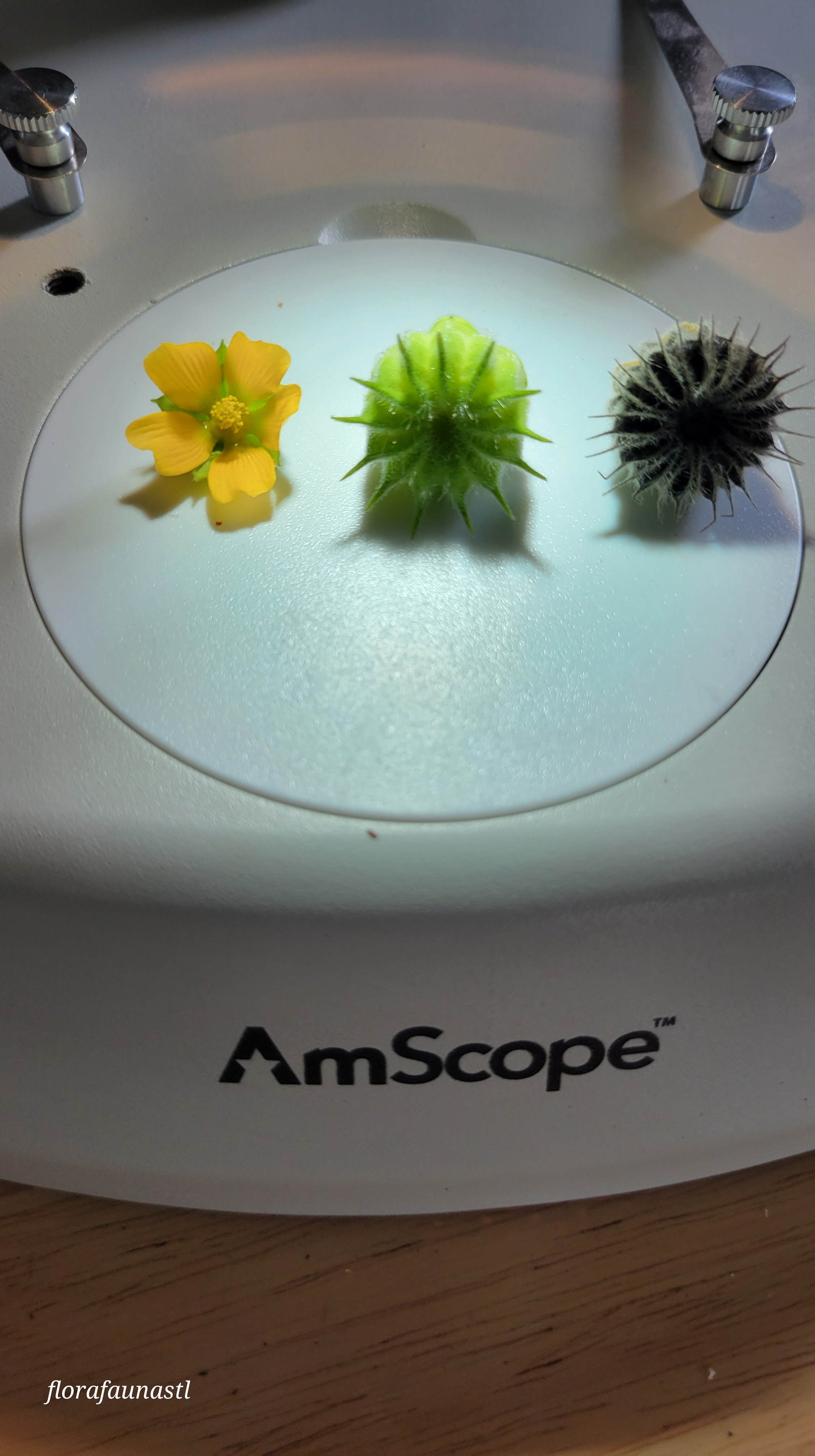
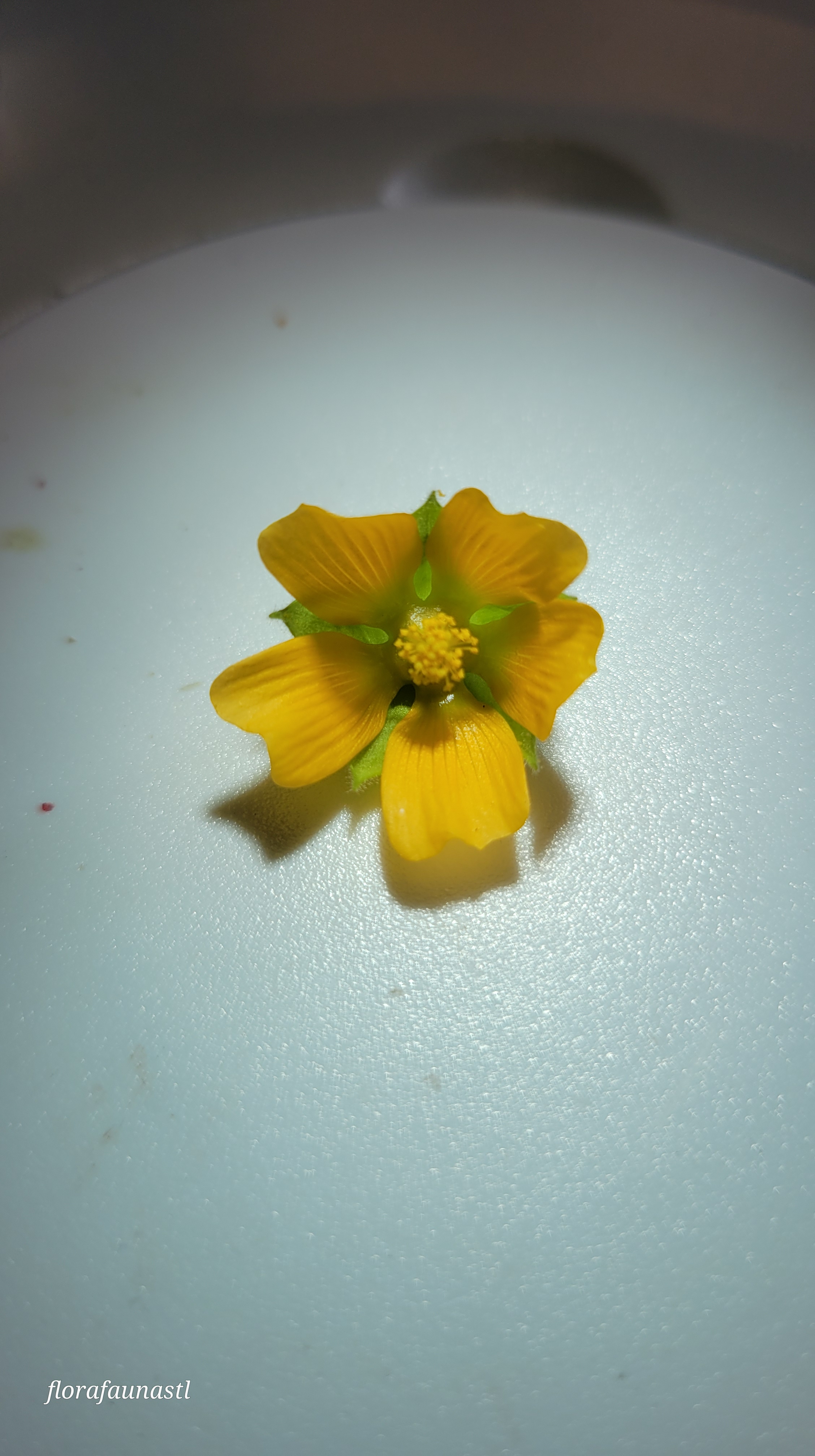
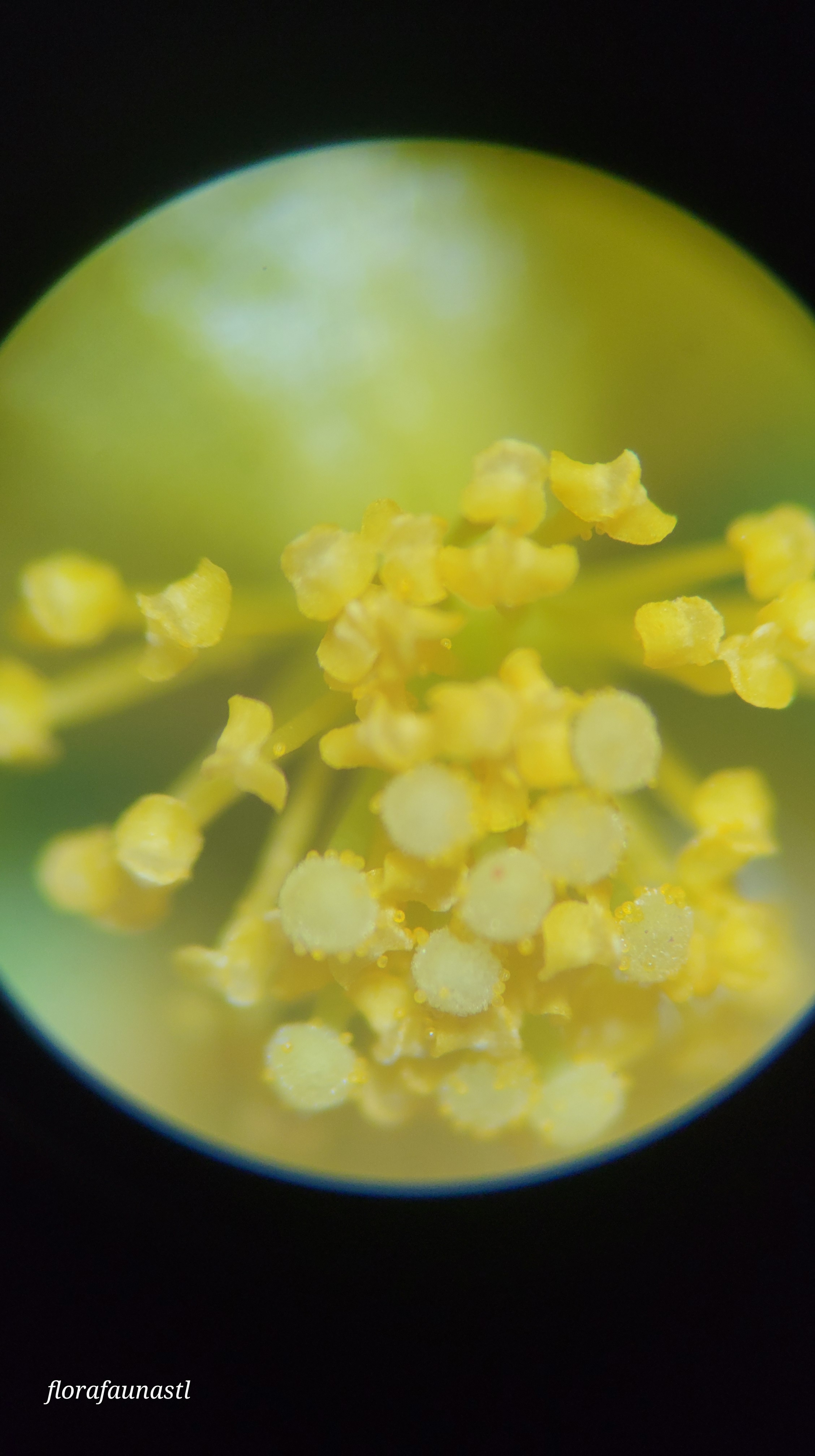
Yeah, those beautiful lush green heart-shaped leaves, canary yellow flowers, and cool buttercup-looking seed pods are working towards global domination. Sure, you can cut the plant down and get rid of it, but the schizocarp (dry fruit of a plant) easily drops seeds (which mature around 20 days) if the plant is shaken. Those newly dropped seeds can remain dormant in the soil for 50-60 years, ready to sprout whenever conditions are right. I myself was shocked at how long this seed could remain viable so I did some digging into seed life span. Apparently, the oldest viable seed that produced a living plant is from roughly 2,000 years ago and is a Judean palm seed.
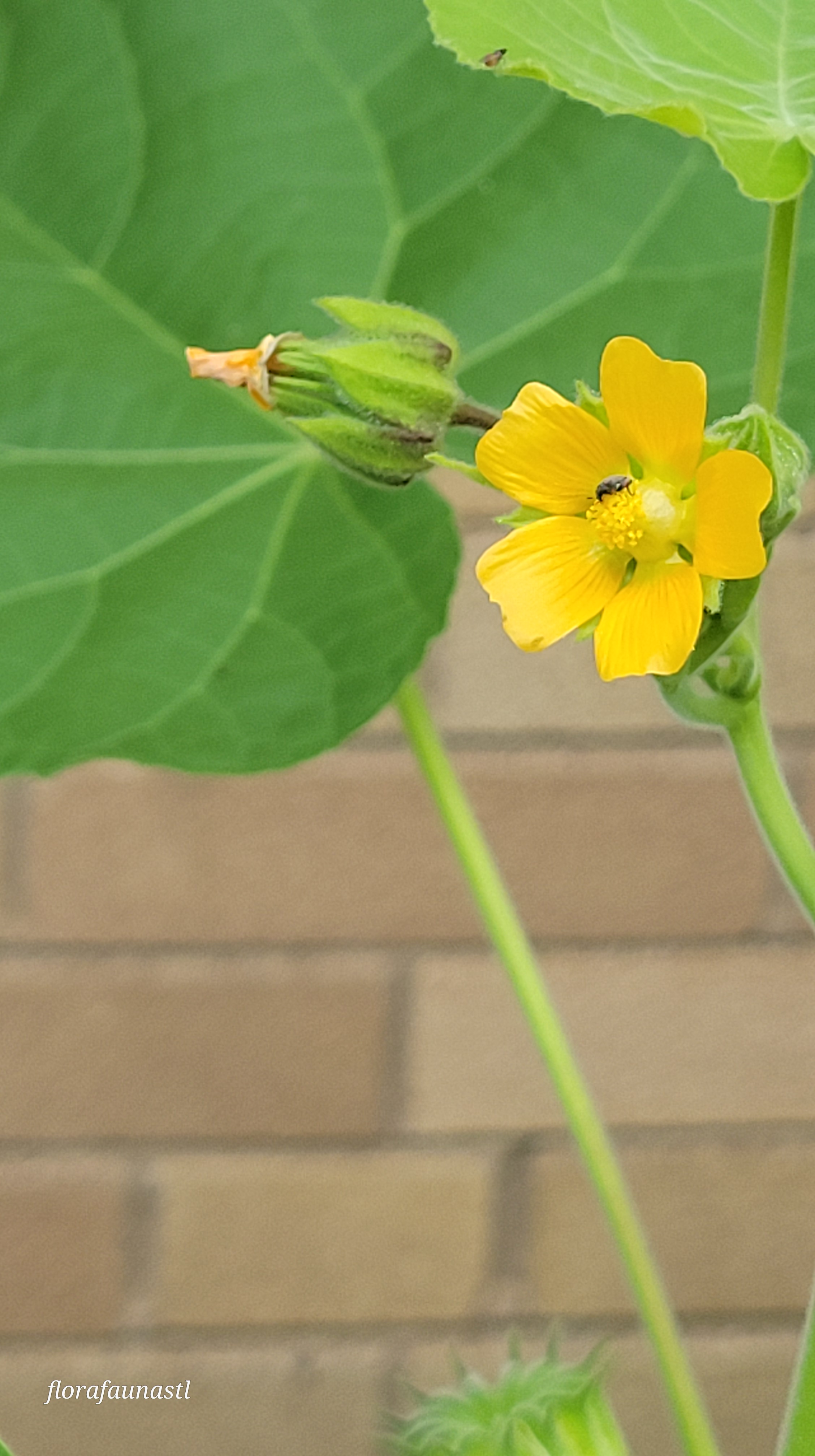
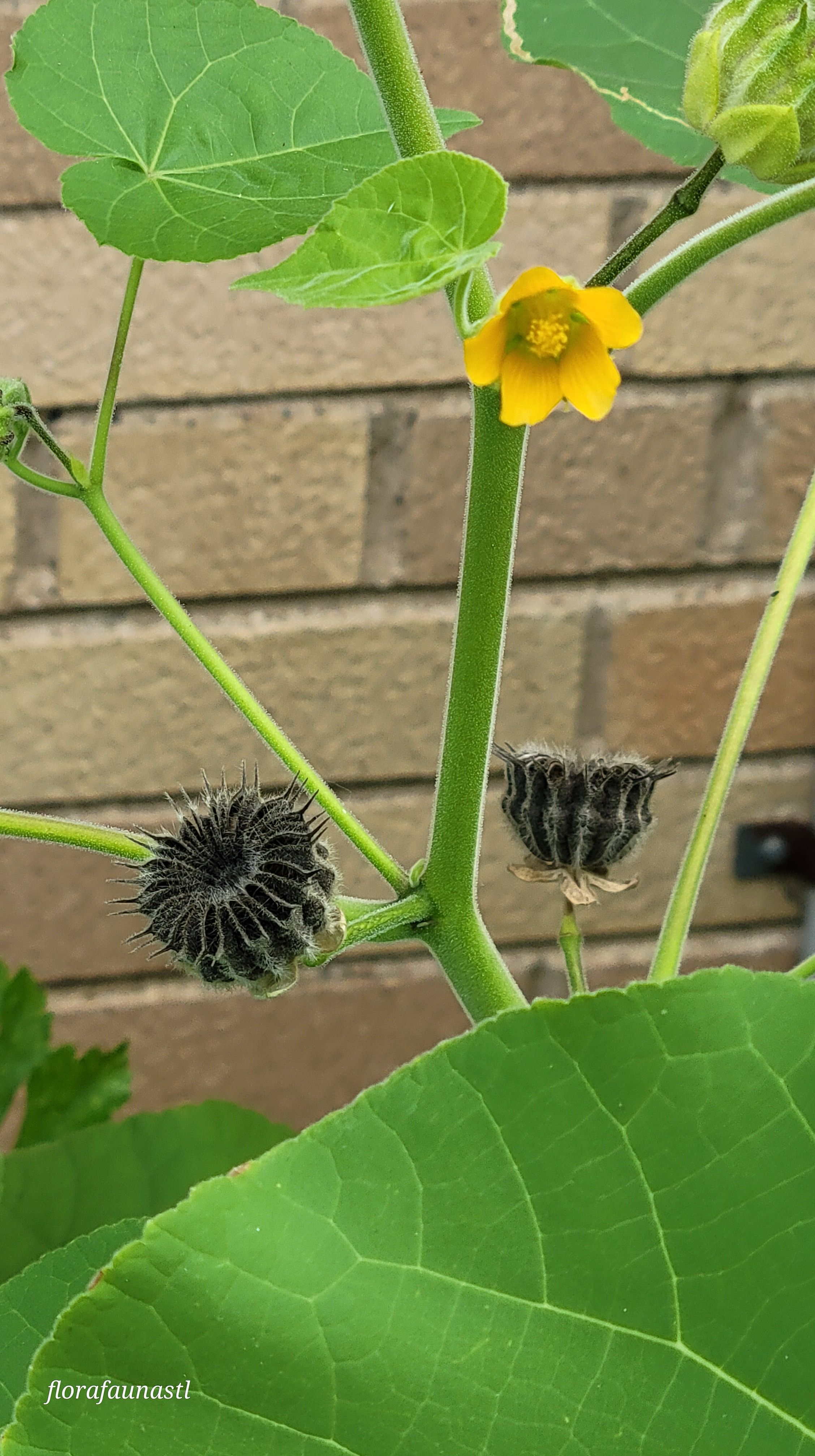
Back to our wonderful weed, though, not only can it reproduce like crazy and have seeds that can lay dormant for decades, but it has a few other tricks up its leaves. The plant is fast-growing and is able to deprive plants around it of nutrients and water through its root system. Since it grows so quickly, it also will block out sun from seedlings causing them to have a hard time reaching maturity. For our small home gardens, this may not seem like a big deal, but for farmers of corn and soybeans, this is a real headache. Velvetleaf also has an allelopathic effect on other plants. When Velvetleaf is destroyed it releases biochemicals that inhibit germination of seeds around it. This chemical release produces a noticeably unpleasant odor, and yes, it does stink. I tested this out after I pulled the plants out by the stalk. If you happen to come across this weed in your garden, don’t cut it down, grab it close to the ground and try to dig it out from the root system to avoid the release of the damaging biochemicals. It does have a few natural predators that may help to control population numbers. For instance, the Eastern deer mouse and the White-footed mouse are known to eat the seeds. If you remove a plant that may have already dropped seeds, avoid tilling so rodents can gain easy access to the seeds.
To be honest, I am not typically one to promote the removal or death of any species, but this plant is invasive and can cause a lot of damage, so I can get behind its removal. I thoroughly enjoyed researching this species, and even though I may be seeing it in the future (I tilled before learning that was a mistake), there is something about the history of how it got to the United States that captivates me. It is also a great reminder that man’s good intentions don’t always produce the best outcomes.

References:
https://ipm.missouri.edu/croppest/2015/5/Weed-of-the-Month-Velvetleaf/
https://cals.cornell.edu/weed-science/weed-profiles/velvetleaf

 Flora Fauna STL
Leave a reply to Sharon Linde Cancel reply