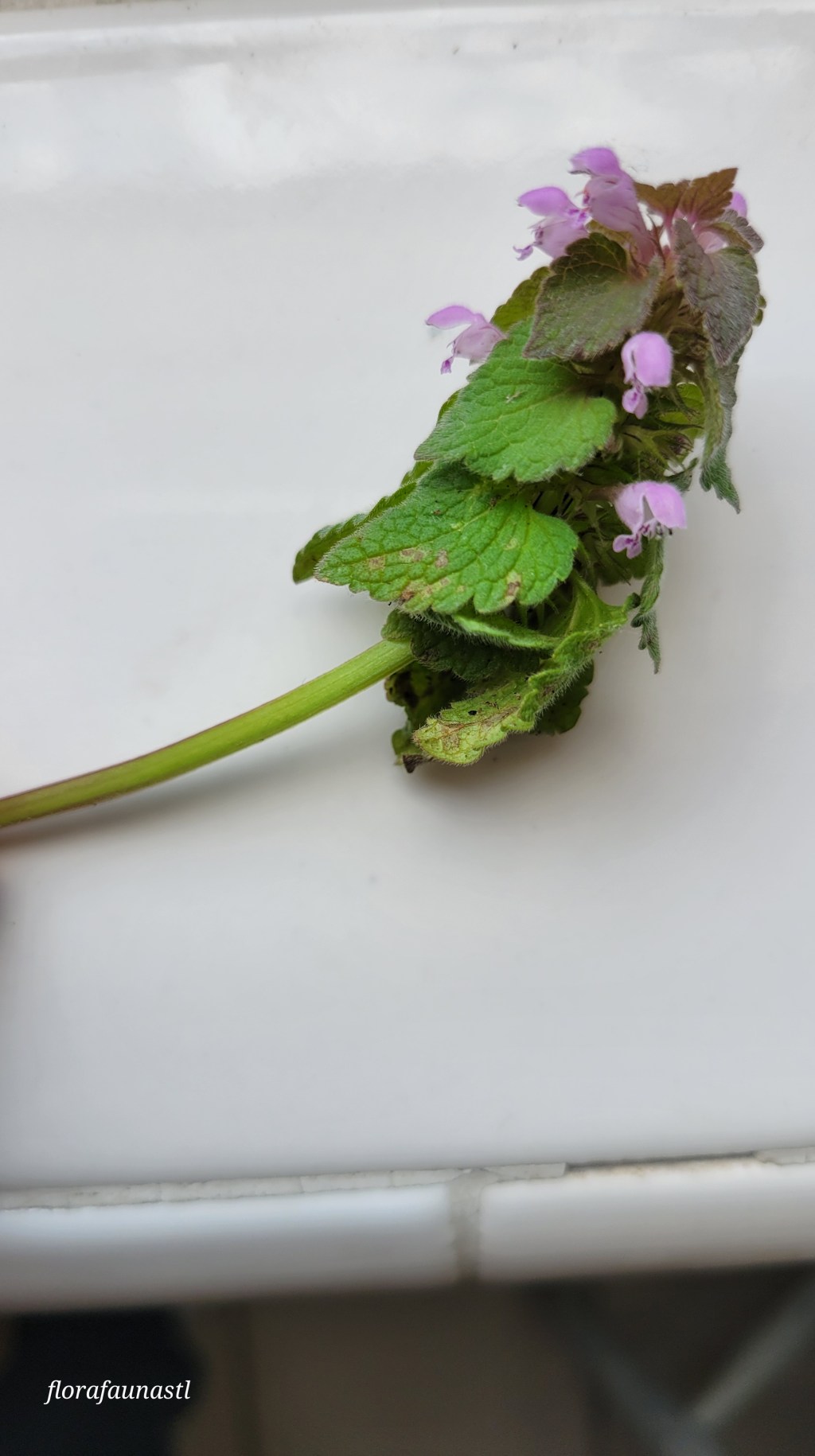
I cannot express how excited we are as a family for spring to have arrived in St. Louis! Playgrounds all around the metro area are booming with the much-needed sounds of outdoor play, and the lush green background of our city is teeming with life. The bugs are buzzing, the birds are singing, flowers are blooming, and my patio… well, it has once again been overtaken by Lamium purpureum, more commonly known as Purple deadnettle. On the one hand, I know it provides much-needed nectar for bees and other insects coming out of the barren winter. In our neck of the woods, blooming occurs as early as late February and continues prolifically through October. On the other hand, it grows like wildfire and I have to pull it out multiple times a year.
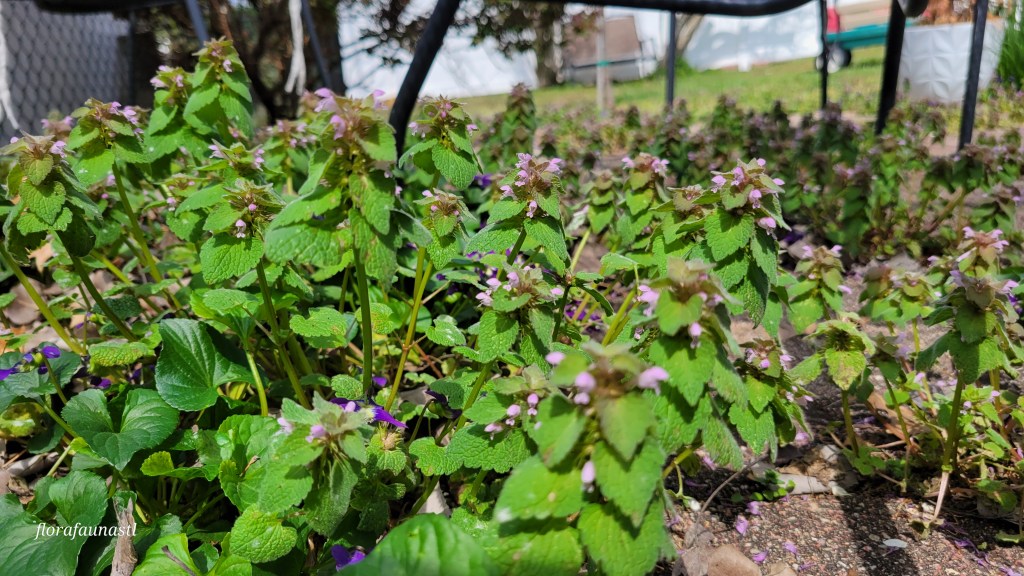
I have always had mixed feelings about this particular garden denizen, so this year I decided to figure out what this patio infestation is and do some research. Despite the stems being square, this “weed” is really anything but square, and in fact, I think I may now let it grow and experiment with some fun recipes I’ve found. You read that correctly; this plant, which is a member of the mint family, is edible and is used in a rather impressive array of dishes. Scouring the internet, you will find recipes ranging from simply adding to spring salads to the more culinary savvy making pesto with the leaves.
Thankfully, the plant is fairly easy to identify and it has no toxic look-alikes, although it is often misidentified as Henbit dead-nettle, but this plant is also edible. They are related and will often grow in the same areas; however, Henbit has more of a collared appearance.
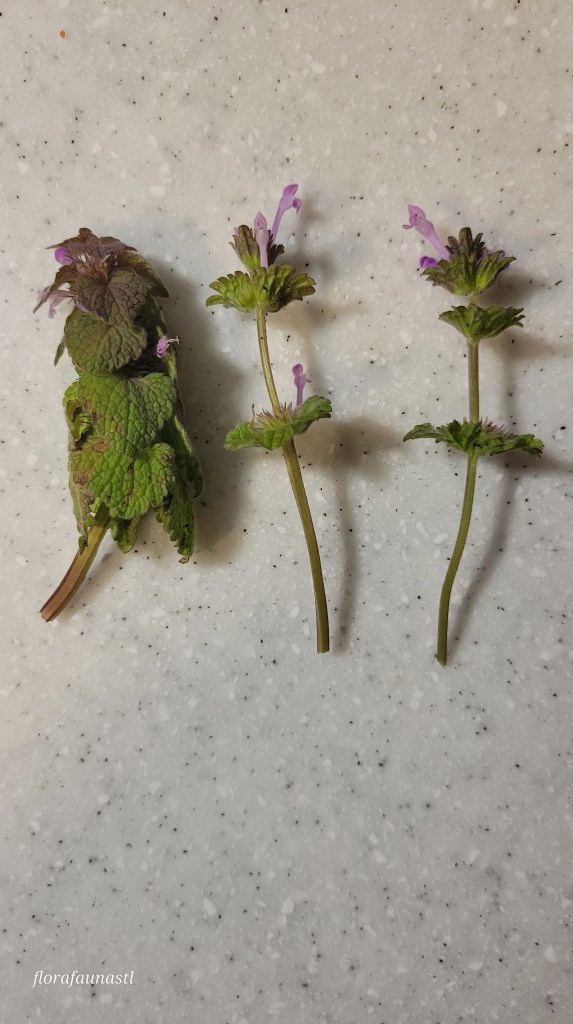
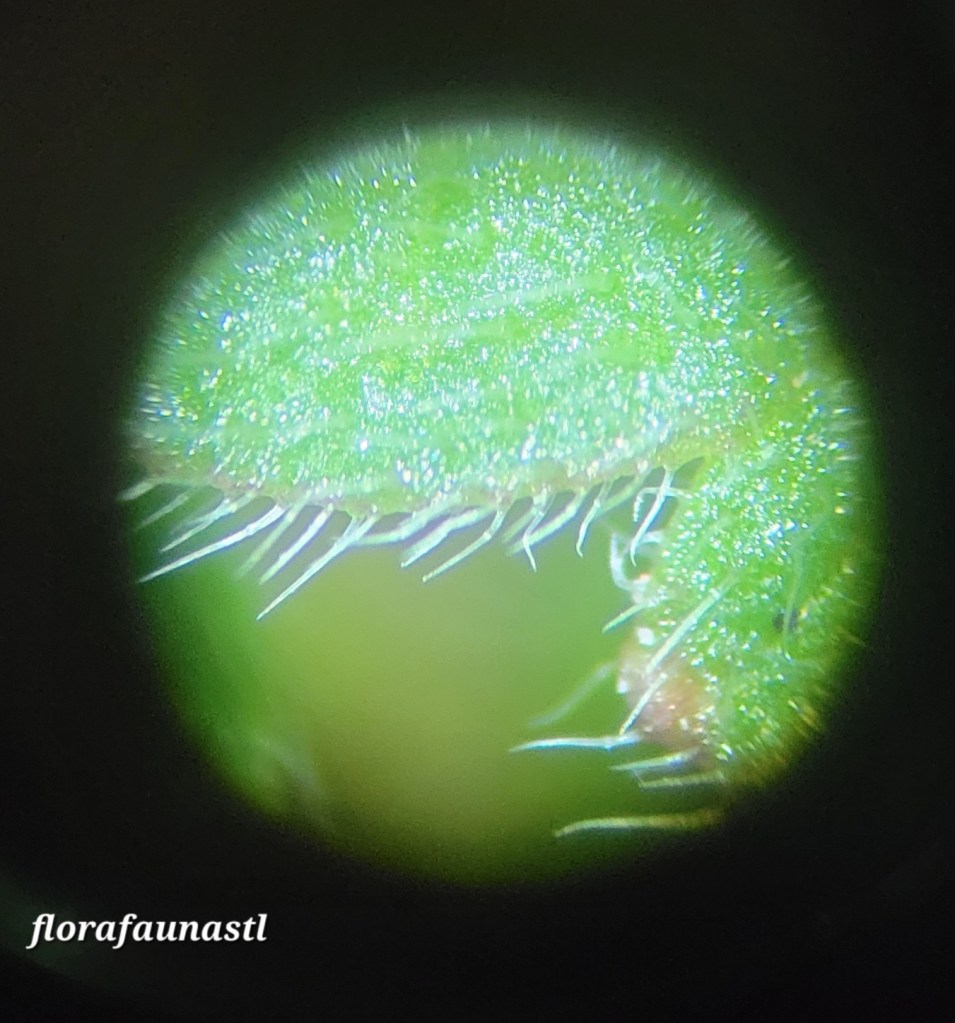
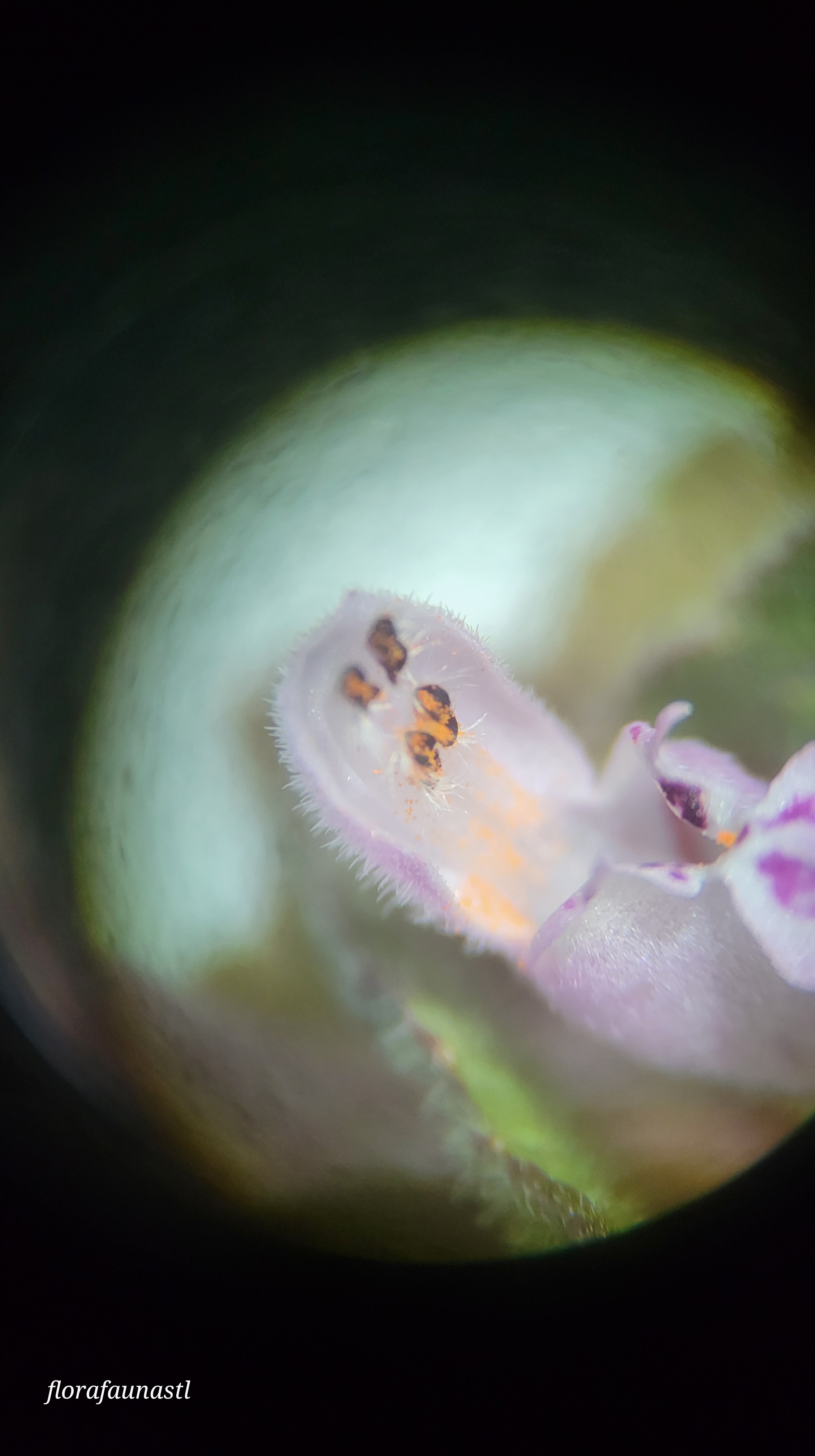
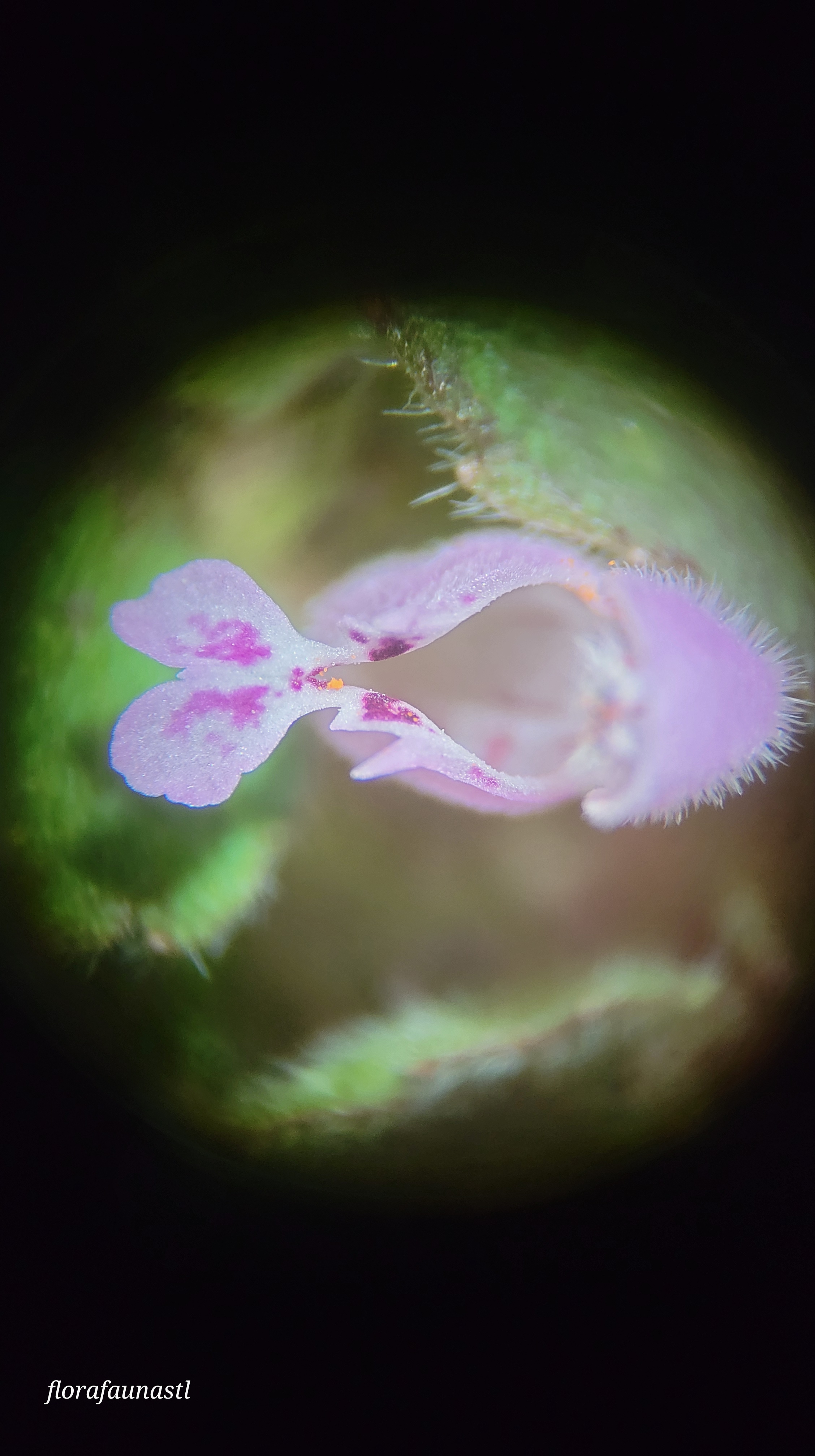
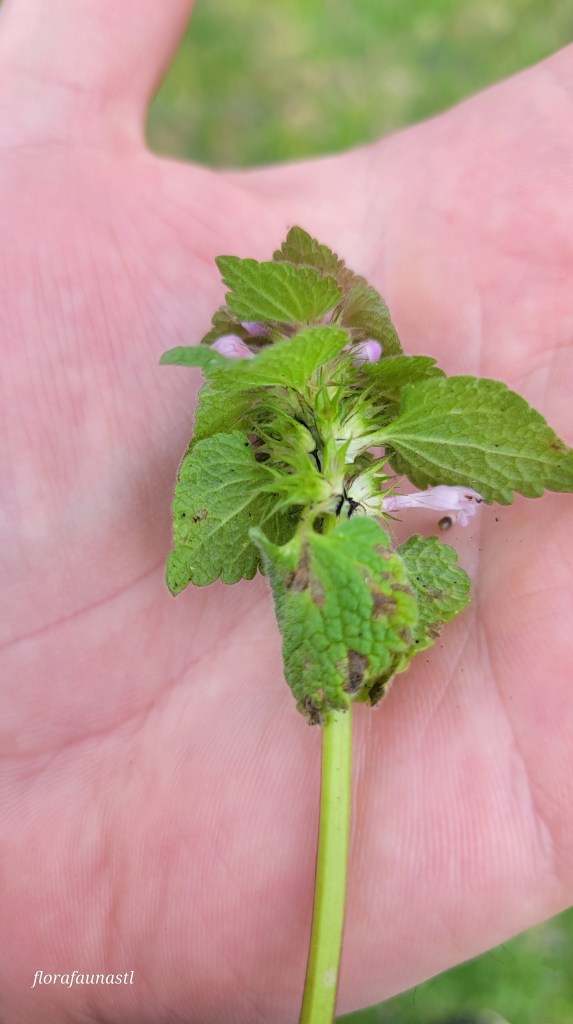
As for purple deadnettle, the plant grows to heights of 11 inches and sports green to purplish leaves, with the purple leaves being towards the top. The leaves are triangular to heart-shaped and scalloped in appearance along the edges. The leaves and stems of the plant have hairs that resemble (to some) stinging nettle, however these plants do not sting, hence the name “deadnettle”. The flowers are often pink to purple in color but can rarely be white. The flowers are trumpet-shaped and have two lower lip petals and a top hood-like petal, which is the standard flower type for the mint family. The pollen is orangish-red and often coats the heads of bees that are gathering nectar from these plants.
A lot of these highly invasive and prolific weeds are in fact invasive species, although they have been here for a very long time. Purple deadnettle is native to Eurasia and was brought to North America by settlers. It has since made its way across the United States and Canada and can be found in meadows, fields, gardens, and my patio. In addition to being edible, there is a history of use with this plant in folk medicine. It is claimed to be an antibacterial, antifungal, anti-inflammatory, a diuretic, diaphoretic, and it is also used to make salves as it soothes itching. Now keep in mind, full disclaimer here, I am not a dietitian nor a doctor, do your research before you go ingesting any wild plants and making salves. As well, be sure that they are taken from a place where there have not been pesticides or weed killers sprayed if you decide to harvest and consume.
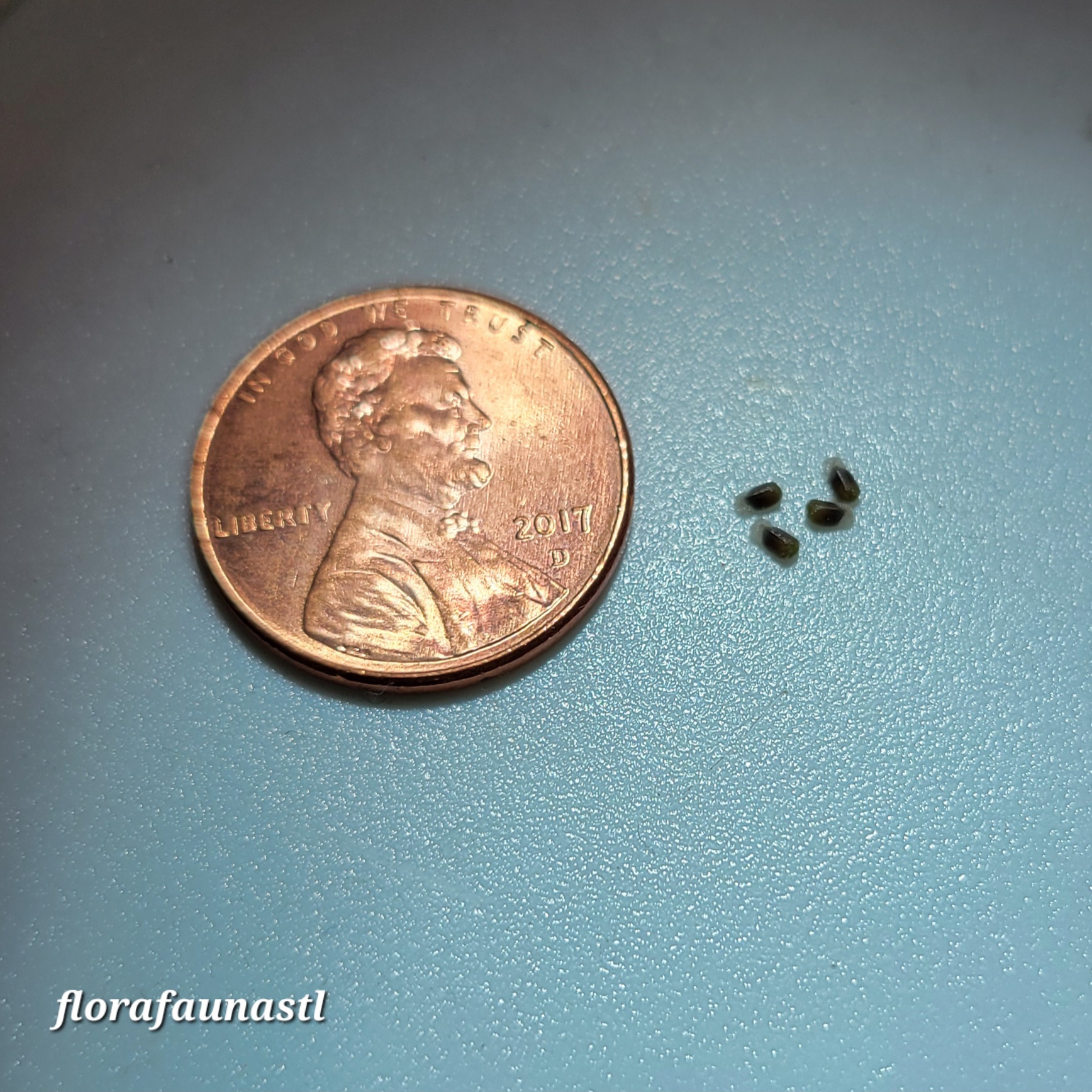
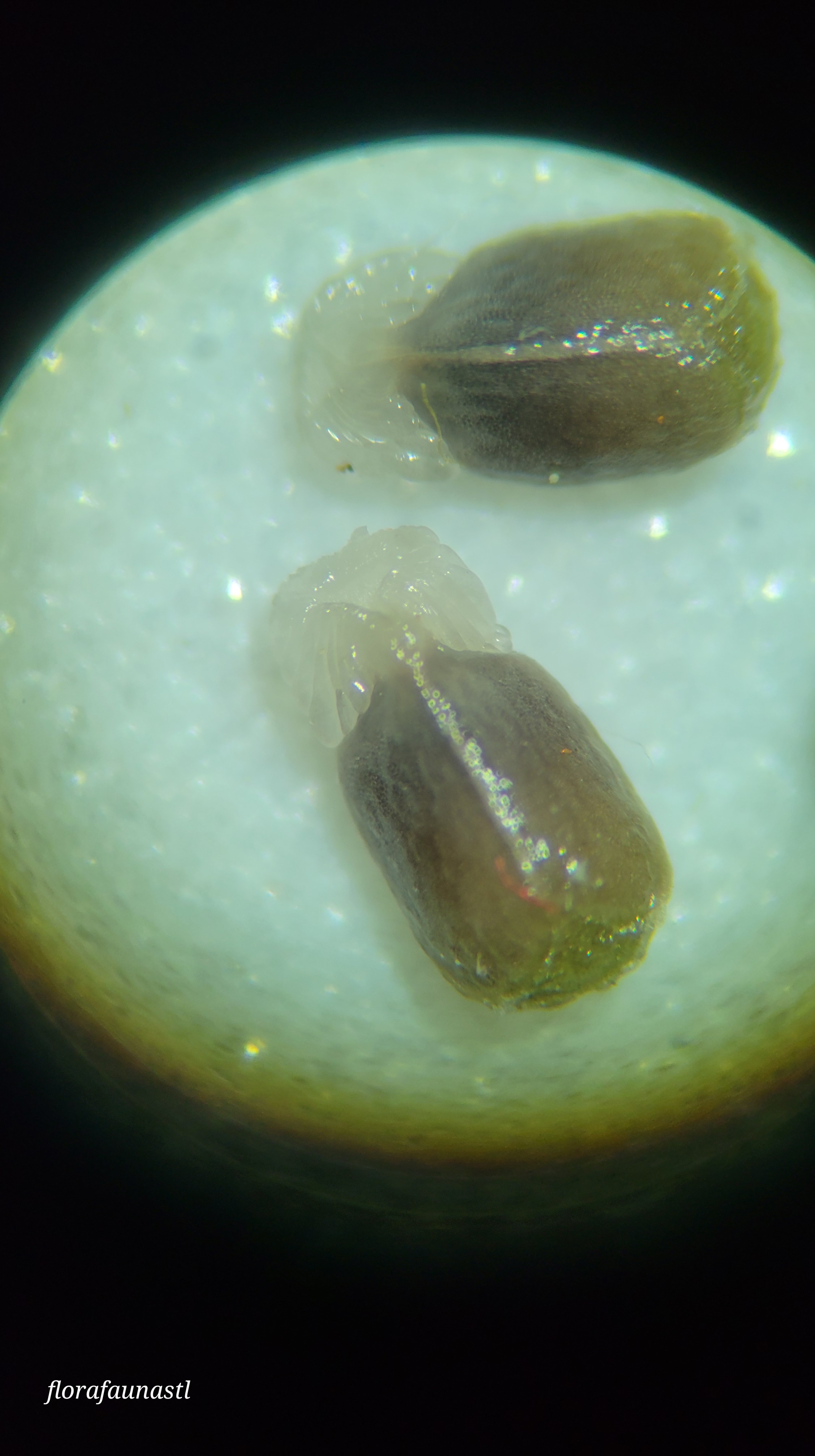
As stated earlier, this is one of the first plants to start blooming; this is because they are winter annuals. This means they germinate in autumn, survive winter, produce seeds, and die the following season. This is why it appears to us as if these little pink flowers appear out of nowhere. Their seeds remind me of little fingers with press-on nails; I’m probably the only person who sees this, though. On that note, I think we have covered enough about this harbinger of spring. Until next time, go out and explore!
References:
https://mdc.mo.gov/discover-nature/field-guide/dead-nettle
https://weedid.missouri.edu/weedinfo.cfm?weed_id=153

 Flora Fauna STL
Leave a comment